
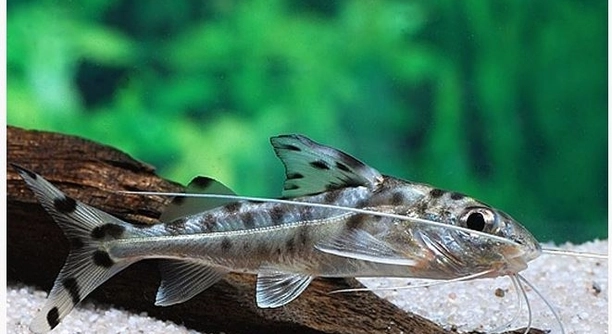
Pictus catfish are popular freshwater fish known for their active nature and unique appearance. Many fish owners want to keep them healthy and entertained. Providing enrichment is important for their well-being in home aquariums.
Enrichment for pictus catfish involves creating a stimulating environment with hiding spots, varied substrates, safe plants, and interactive elements. These additions encourage natural behaviors, reduce stress, and promote overall health and activity in captivity.
These simple ideas can help make your catfish’s environment more engaging and enjoyable. The following suggestions offer practical ways to improve their daily life.
Creating Hiding Spots for Comfort
Pictus catfish enjoy having places to hide and feel secure. Adding caves, PVC pipes, or rock formations in the tank gives them safe spots to retreat when they feel stressed or need rest. These hiding places mimic their natural environment, making them more comfortable. You can use commercially available aquarium decorations or create your own safe structures with smooth materials. Avoid sharp edges that could harm the fish. Plants, either live or artificial, also provide cover and make the tank feel less exposed. Changing the locations of these hiding spots occasionally encourages the fish to explore their environment, which keeps them active and curious. Creating these comfortable areas is one of the easiest ways to support your catfish’s well-being.
Hiding spots reduce stress in pictus catfish, promoting better health and encouraging natural behavior. They feel safer when they have multiple areas to choose from.
Making sure your catfish has options for retreat improves their daily life. A varied environment with places to hide keeps them calmer and less likely to show signs of distress or illness.
Using Varied Substrates to Stimulate Exploration
Offering different types of substrate in the aquarium encourages natural foraging and exploration behavior. Pictus catfish enjoy digging through sand or fine gravel to search for food. Mixing substrates with smooth pebbles or sand can make the bottom of the tank more interesting. It also helps maintain a healthy environment by preventing the buildup of waste in one area. When setting up your tank, consider layering or combining substrates to create texture variety. This subtle change can stimulate your catfish’s senses and reduce boredom. Keep in mind to choose substrates that are safe, won’t alter water chemistry, and are easy to clean. Regular maintenance ensures that the substrates remain healthy and comfortable for your fish. A well-chosen substrate setup supports both the fish’s behavior and tank hygiene.
Introducing Safe Plants in the Aquarium
Plants provide shelter and improve water quality. Live plants are best, but artificial ones work too if cleaned regularly.
Safe plants like java fern or anubias offer natural hiding places and reduce stress for pictus catfish. They also help absorb excess nutrients, keeping the tank cleaner. Choose plants that don’t require high light or CO₂, as pictus catfish prefer dimmer conditions. Be careful to anchor plants securely, so they don’t float around and disturb the fish. Including plants in the tank creates a more natural setting, which supports the catfish’s health and encourages their natural behaviors.
Besides shelter and water benefits, plants add beauty and variety to the aquarium. They create visual interest and help your fish feel more at home by mimicking their natural environment.
Adding Interactive Elements
Toys and decorations can keep your catfish active and engaged. Simple items like floating logs or gentle water currents encourage movement.
Interactive elements such as drifting leaves or tunnels invite exploration and mental stimulation. Introducing small changes to the tank environment periodically helps prevent boredom. Catfish respond well to objects that create hiding spots or gentle water flow, which mimics their natural rivers. You can also add feeding rings or place food in different tank areas to encourage searching behavior. Keeping your pictus catfish interested and active supports their physical and mental health, leading to a happier fish. These additions do not require much effort but can make a big difference in their daily routine.
Adjusting Light Levels
Pictus catfish prefer dim lighting, which helps them feel secure. Too much light can stress them out.
Use adjustable lighting or provide shaded areas with plants or decorations. This creates a comfortable environment that encourages natural activity during low light conditions.
Offering Varied Diet Options
Feeding a variety of foods supports your catfish’s health and interest in eating. Include sinking pellets, live or frozen foods, and occasional vegetables. This variety mimics their natural diet and provides essential nutrients. Feeding different textures and types keeps your fish engaged and helps prevent dietary boredom.
Maintaining Water Quality
Clean, well-oxygenated water is crucial for pictus catfish health. Regular water changes and good filtration reduce toxins and keep the tank environment stable. This encourages active behavior and overall well-being in your catfish.
FAQ
What kind of environment do pictus catfish need to thrive?
Pictus catfish need a tank with plenty of hiding spots, dim lighting, and clean water. They prefer soft substrates like sand or fine gravel and enjoy plants or decorations that create shelter. A tank size of at least 30 gallons is recommended to give them enough space to swim and explore. Stable water conditions with temperatures between 72°F and 79°F and a pH around 6.5 to 7.5 help keep them healthy. Regular maintenance and enrichment make a big difference in their well-being.
How often should I clean the tank for pictus catfish?
Regular cleaning is essential. A weekly partial water change of 20-30% helps maintain good water quality. Remove uneaten food and debris from the substrate to prevent harmful bacteria buildup. Clean or replace filter media as needed, usually every few weeks, depending on the type. Keeping the water clean reduces stress and disease risk, helping your catfish stay active and healthy.
What should I feed pictus catfish?
Pictus catfish are omnivores. Their diet should include sinking pellets or wafers designed for bottom feeders. Supplement with live or frozen foods such as bloodworms, brine shrimp, or daphnia. Occasionally offer blanched vegetables like zucchini or peas. Variety in diet is important to meet their nutritional needs and prevent boredom. Feed small amounts twice a day, removing leftovers to avoid water pollution.
Can pictus catfish live with other fish?
Yes, pictus catfish are generally peaceful and can live with other community fish. They do best with similar-sized species that share their water needs and temperament. Avoid keeping them with very small or aggressive fish. Because pictus catfish are active swimmers, they appreciate tank mates that occupy different levels of the aquarium. Proper space and hiding spots reduce territorial behavior and stress.
How do I know if my pictus catfish is stressed?
Signs of stress include hiding excessively, loss of appetite, erratic swimming, or rubbing against objects. Cloudy eyes or faded colors can also indicate poor health or stress. Stress often results from poor water quality, too much light, or lack of hiding places. Regular observation and maintaining a clean, enriched environment help keep your catfish calm and healthy.
What is the best way to introduce enrichment without stressing my fish?
Introduce new decorations, plants, or toys slowly, spacing changes over days or weeks. Avoid sudden large changes in the tank setup. Monitor your catfish’s reaction to new items and remove anything that causes stress. Gradually moving hiding spots or adding new feeding methods encourages curiosity without overwhelming them. This approach helps your fish adjust comfortably to new stimuli.
Are live plants better than artificial ones for enrichment?
Live plants offer benefits beyond hiding spots. They help absorb waste, improve water quality, and provide oxygen. Many live plants require low light and minimal care, which fits well with pictus catfish tanks. Artificial plants can also provide shelter but don’t support the tank’s ecosystem. If using artificial plants, clean them regularly to prevent algae buildup and maintain tank hygiene.
How can I encourage natural foraging behavior in my pictus catfish?
Scatter sinking food around the tank or use feeding rings to encourage searching and digging. You can also place small amounts of food near plants or decorations. Offering live or frozen foods stimulates natural hunting instincts. Changing feeding spots keeps your catfish active and mentally engaged. This simple method improves their well-being and reduces boredom.
Providing proper enrichment for pictus catfish is important to keep them healthy and happy in an aquarium. These fish are active and curious by nature, so creating an environment that encourages natural behaviors helps reduce stress and supports their well-being. Simple additions like hiding spots, varied substrates, plants, and interactive elements make a big difference in how your catfish experience their home. When these needs are met, pictus catfish tend to be more active, display natural behaviors, and live longer.
Maintaining good water quality and proper lighting also plays a key role in their overall health. Clean water with stable temperature and pH levels prevents illness and promotes activity. Soft lighting or shaded areas help pictus catfish feel secure, as they naturally prefer dimmer environments. Feeding a varied diet with sinking pellets and occasional live or frozen foods ensures they receive the nutrients they need. Combining these care practices with enrichment ideas creates a balanced, healthy tank that supports both physical and mental health.
Enrichment does not have to be complicated or expensive. Small, thoughtful changes to the tank setup can offer new experiences and stimulate your catfish daily. Rotating decorations, adding plants, or changing feeding locations encourages exploration and reduces boredom. Watching your pictus catfish interact with their environment can be rewarding and shows that they feel comfortable. Overall, enriching their habitat is a simple way to improve their quality of life and enjoy their natural behavior in your care.

Hello,
If you enjoy the content that we create, please consider saying a "Thank You!" by leaving a tip.
Every little bit helps us continue crafting quality advice that supports the health, happiness, and well-being of pets around the world, for pets of all shapes, sizes, and species.
We really appreciate the kindness and support that you show us!