
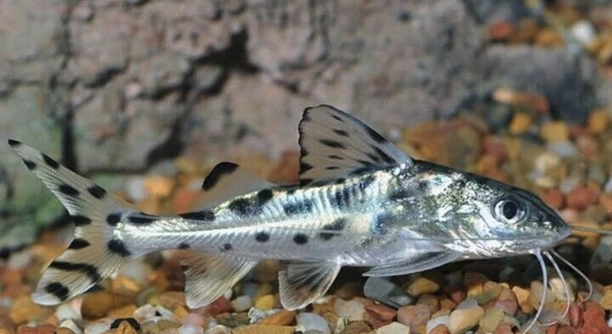
Pictus catfish are popular freshwater fish admired for their active nature and unique appearance. Sometimes, these fish suddenly stop eating, which can be frustrating for their owners. Understanding the reasons behind this behavior helps ensure their well-being.
Pictus catfish may refuse food due to stress, poor water quality, illness, inappropriate diet, tank mates, environmental changes, or simply a lack of appetite. Identifying and addressing these causes is crucial to maintaining their health.
Recognizing these factors will help you provide better care and create a comfortable environment for your catfish to thrive. This guide will explain the common reasons why they might refuse food.
Stress and Its Impact on Appetite
Stress is a common reason why pictus catfish might stop eating. Changes in the tank, such as new decorations or different lighting, can unsettle them. Loud noises or sudden movements around the aquarium also cause stress. Even overcrowding or aggressive tank mates can make your catfish feel unsafe. When stressed, their bodies prioritize survival over eating, leading to food refusal. It is important to keep their environment calm and stable. Regular tank maintenance and avoiding sudden changes help reduce stress. A well-settled tank encourages normal feeding behavior. Watching for signs of stress early can prevent long-term health problems. Keeping the water clean and stable also lowers stress levels.
Stress causes physiological changes in pictus catfish that reduce their appetite and feeding activity. Maintaining a peaceful environment is essential for their well-being.
Stress affects feeding by triggering a survival response, making the fish avoid food. Creating a calm habitat helps restore normal behavior and appetite.
Water Quality and Feeding Behavior
Poor water quality quickly affects pictus catfish’s health and willingness to eat. High ammonia, nitrite, or nitrate levels make the fish uncomfortable. Changes in pH or temperature also impact feeding. Dirty water causes stress and weakens the immune system, leading to loss of appetite. Testing water regularly is important to detect problems early. Frequent water changes and proper filtration improve water conditions. Keeping the water parameters stable supports healthy feeding habits. If water quality issues persist, the fish might refuse food to conserve energy and cope with the poor environment. Maintaining a clean tank is a critical part of responsible care for your pictus catfish. It ensures they remain healthy and interested in eating.
Checking water quality regularly and making adjustments when needed prevents feeding problems. Proper filtration and cleaning routines keep the environment suitable.
Stable, clean water creates a comfortable setting where pictus catfish feel safe to eat and thrive. Avoiding fluctuations supports their appetite and health.
Illness and Its Effect on Appetite
Illness often causes pictus catfish to stop eating. Common diseases include bacterial infections, parasites, and fungal growth. These conditions make the fish weak and less interested in food.
When a pictus catfish is sick, its body focuses on fighting the illness rather than eating. Symptoms like lethargy, clamped fins, or unusual spots may appear. Prompt diagnosis and treatment are essential to prevent the condition from worsening. Quarantining the affected fish can stop disease spread. Providing medication as directed and maintaining excellent water quality supports recovery. Early intervention often leads to better outcomes and restores appetite quickly.
Illness impacts the fish’s metabolism, reducing energy for digestion. A weakened immune system makes feeding less of a priority. Supporting health through treatment and environment is key to regaining normal feeding habits.
Inappropriate Diet
Feeding pictus catfish the wrong food can lead to refusal. They need a balanced diet that includes protein-rich items and occasional live or frozen foods. Overfeeding or offering only one type of food may cause disinterest.
A varied diet helps meet nutritional needs and keeps the catfish interested in eating. Dry pellets, sinking wafers, and fresh treats like bloodworms or brine shrimp provide necessary nutrients. Avoid feeding too many flakes or plant-based foods since pictus catfish are mainly carnivorous. Monitoring portion size prevents overfeeding and digestive problems. Switching foods gradually helps avoid sudden refusals. Offering food at consistent times trains the fish to expect meals and promotes regular eating.
Ensuring the diet matches the catfish’s natural preferences and needs encourages healthy feeding behavior. Variety and balance play important roles in their appetite and overall health.
Tank Mates Causing Stress
Aggressive or overly active tank mates can stress pictus catfish, causing them to refuse food. Territorial behavior or constant chasing makes the catfish feel unsafe.
Keeping compatible tank mates and providing plenty of hiding spaces helps reduce stress. A peaceful environment encourages normal feeding and well-being.
Environmental Changes
Sudden changes in lighting, temperature, or tank setup affect pictus catfish’s eating habits. These fish prefer stable, predictable conditions to feel secure.
Maintaining consistent tank conditions minimizes stress and supports regular feeding. Gradual adjustments prevent sudden disruptions that might cause food refusal.
Natural Appetite Fluctuations
Pictus catfish sometimes reduce their food intake naturally. This can happen during growth stages or seasonal changes in behavior.
Such fluctuations are normal if the fish appear healthy and active otherwise. Monitoring their overall condition helps determine if this is a concern.
FAQ
Why is my pictus catfish refusing food even though the water looks fine?
Even if the water appears clean, invisible factors like ammonia, nitrite, or pH fluctuations might cause discomfort. Stress from tank mates or environmental changes can also reduce appetite. It’s important to test water regularly and observe the fish’s behavior closely for signs of distress or illness.
How long can pictus catfish go without eating?
Healthy pictus catfish can survive several days without food, sometimes up to a week. However, prolonged fasting can weaken their immune system. If they refuse food for more than a few days, it’s crucial to check water quality, diet, and health to find the cause and act quickly.
Can overfeeding cause a pictus catfish to stop eating?
Yes, overfeeding can lead to poor water quality and digestive problems, causing the fish to lose interest in food. Uneaten food decomposes, harming water parameters. Feeding small amounts once or twice daily and removing leftovers helps maintain balance and encourages healthy feeding habits.
What are the signs of illness in pictus catfish that affect appetite?
Symptoms include lethargy, loss of color, clamped fins, rapid breathing, unusual spots or sores, and erratic swimming. Illness weakens the fish and reduces its desire to eat. Early detection and treatment improve chances of recovery and restore normal feeding.
Is it normal for pictus catfish to eat at night?
Yes, pictus catfish are nocturnal and often feed more actively during the evening or night. Offering food during these times can encourage better feeding. Watching feeding habits helps adjust feeding schedules to match their natural behavior.
How can I improve my pictus catfish’s appetite?
Improving water quality, providing a varied diet, reducing stressors, and maintaining a stable environment all help boost appetite. Adding live or frozen foods like bloodworms or brine shrimp can also stimulate feeding interest. Patience is important as changes may take time to show effects.
Can sudden changes in tank setup cause food refusal?
Yes, sudden rearrangements, new decorations, or changing the tank’s location can stress pictus catfish, causing them to stop eating temporarily. Gradual changes and providing hiding spots reduce stress and help the fish adjust more comfortably.
Should I quarantine a sick pictus catfish?
Quarantining a sick fish is advisable to prevent spreading disease. It also allows focused treatment and monitoring. Use a separate tank with proper conditions, and keep it clean. Quarantine periods typically last 2–4 weeks depending on the illness and recovery progress.
Does tank size affect feeding behavior?
A small or overcrowded tank can stress pictus catfish and affect their appetite. These fish need enough space to swim freely and establish territories. Providing at least a 30-gallon tank with proper filtration supports healthy feeding behavior and reduces stress.
What type of food is best for pictus catfish?
High-quality sinking pellets designed for carnivorous fish, supplemented with live or frozen foods like bloodworms, brine shrimp, and daphnia, suit pictus catfish well. Avoid over-reliance on flakes or plant-based foods. Variety keeps their diet balanced and appealing.
When pictus catfish refuse food, it often signals that something in their environment or health needs attention. This behavior should not be ignored, as it can quickly lead to more serious problems if left unaddressed. Understanding the common reasons behind food refusal helps to identify what might be wrong and how to correct it. From stress and water quality to illness and diet, many factors influence a catfish’s willingness to eat. Addressing these causes with care and patience will improve the fish’s health and overall happiness.
Maintaining stable water conditions is one of the most important steps to encourage healthy feeding habits. Regular testing and cleaning of the tank help keep ammonia, nitrite, and nitrate at safe levels. Temperature and pH should also be consistent, as sudden changes can upset the fish. Providing a peaceful environment with compatible tank mates and plenty of hiding places reduces stress. Stress is a major cause of appetite loss, so minimizing its impact is essential. A well-balanced and varied diet supports nutrition and keeps the catfish interested in food. Using a mix of sinking pellets and occasional live or frozen treats is ideal.
It is normal for pictus catfish to experience occasional changes in appetite, especially during growth or minor environmental shifts. However, prolonged refusal to eat requires careful attention to rule out illness or other serious problems. Watching for physical symptoms and behavioral changes can help detect health issues early. When illness is suspected, seeking advice on proper treatment and quarantine measures is necessary. Overall, good care practices and observation play a key role in keeping pictus catfish healthy and feeding regularly. Being attentive to their needs ensures a comfortable environment where they can thrive.

Hello,
If you enjoy the content that we create, please consider saying a "Thank You!" by leaving a tip.
Every little bit helps us continue crafting quality advice that supports the health, happiness, and well-being of pets around the world, for pets of all shapes, sizes, and species.
We really appreciate the kindness and support that you show us!