
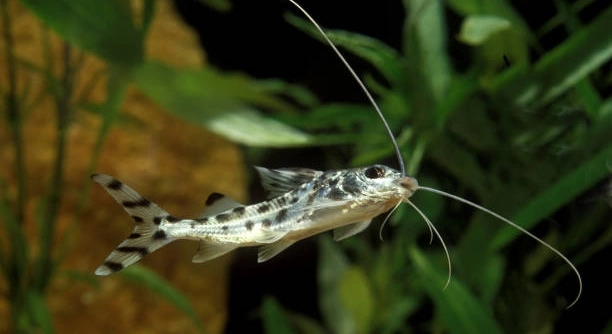
Ammonia buildup in aquariums can harm your pictus catfish if not managed properly. Keeping ammonia levels low is important for maintaining a healthy environment for these sensitive fish. Knowing how to reduce ammonia safely can improve their well-being.
The most effective way to reduce ammonia without stressing pictus involves regular water changes, maintaining efficient filtration, and avoiding overfeeding. These practices ensure ammonia stays at safe levels, minimizing stress and promoting a stable aquatic habitat for the fish.
This article explains practical steps to manage ammonia safely. Understanding these methods will help you protect your pictus catfish’s health and create a balanced tank environment.
Causes of Ammonia Buildup in Pictus Tanks
Ammonia can accumulate in a pictus catfish tank due to several factors. Uneaten food breaks down and releases ammonia into the water. Fish waste also contributes, especially if the tank is overcrowded. Poor filtration or infrequent water changes allow ammonia to rise. New tanks without established beneficial bacteria often experience spikes in ammonia. These bacteria are essential as they convert ammonia into less harmful substances. Temperature and pH levels can influence ammonia toxicity as well. Warmer water and higher pH increase ammonia’s harmful effects. Understanding these causes helps in preventing dangerous ammonia levels. Keeping a regular tank maintenance routine and monitoring water quality are key steps to protect your pictus catfish from ammonia stress.
Ammonia is toxic and can cause gill damage, lethargy, and even death in pictus catfish. Preventing its buildup is essential for their survival.
Properly identifying ammonia sources lets you take targeted actions to maintain a clean, healthy tank environment that supports your fish’s needs.
Effective Filtration and Water Changes
Good filtration removes ammonia before it harms your fish. A filter with biological media provides a surface for beneficial bacteria to grow and process ammonia efficiently. Mechanical and chemical filtration also help capture waste particles and toxins. Regularly cleaning the filter media without destroying these bacteria is important. Water changes dilute ammonia and reduce overall waste buildup. Partial water changes of about 20–30% weekly are recommended. Avoid large, infrequent changes as they can stress pictus catfish due to sudden shifts in water parameters. Using a water conditioner to neutralize ammonia during changes adds another layer of protection. Testing the water often allows you to track ammonia levels and adjust your maintenance routine accordingly. These practices work together to keep ammonia low and your pictus catfish comfortable in their environment.
Monitoring Water Quality Regularly
Testing your tank water regularly is essential to keep ammonia in check. Ammonia levels can rise quickly without warning, so consistent monitoring helps you react early.
Using reliable test kits, check ammonia, nitrite, and nitrate levels at least once a week. Recording results allows you to notice patterns and prevent sudden spikes. Pay attention to changes after feeding or adding new fish. Frequent testing supports timely interventions, such as water changes or filter maintenance, ensuring your pictus catfish remain safe.
Automating monitoring with digital sensors is helpful but not necessary. Manual testing works well if done consistently. Staying on top of water quality prevents long-term stress and keeps your tank environment balanced.
Avoiding Overfeeding to Control Ammonia
Overfeeding is a common cause of ammonia spikes. Uneaten food decomposes quickly, releasing ammonia and polluting the water. Feeding small amounts appropriate for your pictus catfish’s size and appetite reduces waste. Observe how much your fish eat within a few minutes and adjust portions accordingly. Remove leftover food promptly after feeding to prevent buildup.
Feeding fewer times per day but with controlled portions is better than frequent overfeeding. Using sinking pellets suited to pictus helps minimize surface food waste. Keeping a feeding schedule helps maintain water quality and reduces ammonia accumulation, promoting a healthier tank environment for your fish.
Using Live Plants to Reduce Ammonia
Live plants absorb ammonia and other waste products from the water. Adding hardy plants like Java fern or Anubias helps improve water quality naturally.
Plants also provide oxygen and shelter, creating a balanced environment that supports your pictus catfish’s health and reduces ammonia stress.
Benefits of Avoiding Overcrowding
Overcrowding increases waste production, leading to rapid ammonia buildup. Keeping fewer fish reduces the strain on your filtration system and lowers ammonia levels.
Providing enough space allows your pictus catfish to thrive without added stress from poor water quality or competition for resources.
Proper Tank Cleaning Routine
Cleaning the tank regularly removes debris and waste before it breaks down into ammonia. Avoid deep substrate cleaning that disturbs beneficial bacteria.
A light vacuuming and partial water changes keep the environment stable and ammonia under control.
Choosing the Right Tank Size
A larger tank dilutes ammonia more effectively than a small one. Ensuring adequate tank volume helps maintain stable water conditions for pictus catfish.
FAQ
How often should I test ammonia levels in my pictus tank?
Testing ammonia once a week is usually enough for a well-established tank. During new setups or if problems arise, test more frequently, even daily. Regular testing helps catch rising ammonia early and prevents stress on your fish.
Can I use ammonia detoxifiers instead of water changes?
Ammonia detoxifiers can temporarily neutralize ammonia, but they don’t remove it. Water changes remain necessary to physically remove waste and keep the tank healthy. Detoxifiers are a helpful short-term aid but shouldn’t replace regular maintenance.
What signs show that ammonia is stressing my pictus catfish?
Common signs include gasping at the surface, lethargy, loss of appetite, and clamped fins. If you notice any of these, check water quality immediately. Early action can prevent serious damage.
How much water should I change to reduce ammonia safely?
Changing 20-30% of the tank water weekly is recommended. This amount dilutes ammonia without causing sudden shifts in water parameters, which can stress your fish. Avoid large or infrequent water changes.
Is it safe to add new fish while ammonia levels are high?
No. Introducing new fish during ammonia spikes increases their risk of stress or illness. Wait until ammonia stabilizes at zero before adding new fish to protect all tank inhabitants.
Do live plants completely eliminate the need for water changes?
Live plants help absorb ammonia but cannot replace water changes. They are part of a balanced system, but regular water changes are still necessary to maintain overall water quality.
How does overfeeding contribute to ammonia problems?
Excess food that your pictus catfish doesn’t eat breaks down into ammonia. Feeding only what your fish consume quickly reduces waste and helps keep ammonia levels low.
Can I rely on my filter alone to control ammonia?
Filters play a vital role by housing bacteria that convert ammonia to less harmful substances. However, filters alone cannot manage all ammonia buildup. Proper feeding, regular water changes, and tank cleaning are also important.
What is the best way to establish beneficial bacteria in a new tank?
Adding filter media or substrate from an established tank jumpstarts bacteria growth. Using bacterial supplements can also help. Allow time for the bacteria to multiply before adding pictus catfish.
Why is ammonia more toxic at higher temperatures?
Higher temperatures increase ammonia’s toxicity, making it more harmful to fish. Keeping the tank within the appropriate temperature range for pictus catfish helps reduce ammonia’s impact.
Should I change filter media during water changes?
Only rinse filter media gently with tank water to remove debris without killing beneficial bacteria. Avoid replacing all media at once to preserve the bacteria needed to process ammonia.
What role does pH play in ammonia toxicity?
Higher pH increases the proportion of toxic ammonia in the water. Maintaining a stable, slightly acidic to neutral pH can reduce ammonia’s harmful effects on your pictus catfish.
How long does it take for ammonia levels to drop after a water change?
Ammonia levels typically drop immediately after a water change, but biological filtration takes time to stabilize. Regular maintenance keeps levels consistently low.
Can stress from ammonia exposure cause diseases in pictus catfish?
Yes, stress weakens the immune system, making pictus catfish more vulnerable to infections and diseases. Keeping ammonia low helps maintain their health and resilience.
Are there specific foods that reduce waste and ammonia buildup?
Feeding high-quality, easily digestible foods reduces waste production. Sinking pellets designed for bottom dwellers like pictus catfish minimize uneaten food on the surface.
What should I do if ammonia levels suddenly spike?
Perform an immediate partial water change and check your filtration system. Reduce feeding and test water daily until levels stabilize. Quick action prevents damage to your fish.
Can salt help reduce ammonia toxicity?
Adding aquarium salt can reduce ammonia’s toxic effects temporarily but doesn’t remove ammonia itself. Use salt cautiously and according to recommended doses for your fish species.
Is it normal for ammonia levels to rise in a new tank?
Yes, new tanks often experience ammonia spikes as beneficial bacteria develop. This “cycling” phase requires close monitoring and patience before adding sensitive fish like pictus catfish.
How do I prevent ammonia buildup when I am away for a few days?
Feed sparingly before leaving and ensure your filter is running well. Avoid overfeeding to reduce waste, and consider using automatic feeders with measured portions.
Are there specific filter types better for ammonia control?
Filters with biological media are most effective for ammonia control, as they support beneficial bacteria growth. Canister, hang-on-back, and sponge filters all work well if properly maintained.
Maintaining low ammonia levels in a pictus catfish tank is essential for the health and comfort of your fish. Ammonia is harmful, even at small amounts, so keeping it under control helps prevent stress and illness. Regular water changes, proper filtration, and careful feeding habits work together to keep ammonia levels safe. Each part of tank care plays an important role in creating a stable environment where your pictus catfish can thrive. Consistency in these efforts is key to long-term success.
Filtration is one of the most important factors in managing ammonia. Biological filters provide a home for beneficial bacteria that break down ammonia into less harmful substances. Cleaning the filter gently and avoiding over-cleaning helps preserve these bacteria. Alongside filtration, live plants can assist in reducing ammonia naturally by absorbing waste. Together with regular water testing, these methods form a solid defense against ammonia buildup. Keeping an eye on your tank’s water quality allows you to take action quickly if ammonia starts to rise.
Avoiding common mistakes like overfeeding and overcrowding also helps reduce ammonia. Feeding only what your pictus catfish can eat in a short time prevents leftover food from decomposing and releasing ammonia. Ensuring your tank is not too crowded lowers waste production, easing the workload on your filter. A well-maintained tank with the right balance of fish, plants, and filtration makes ammonia control manageable. Following these simple steps ensures a healthy, low-stress home for your pictus catfish.

Hello,
If you enjoy the content that we create, please consider saying a "Thank You!" by leaving a tip.
Every little bit helps us continue crafting quality advice that supports the health, happiness, and well-being of pets around the world, for pets of all shapes, sizes, and species.
We really appreciate the kindness and support that you show us!