
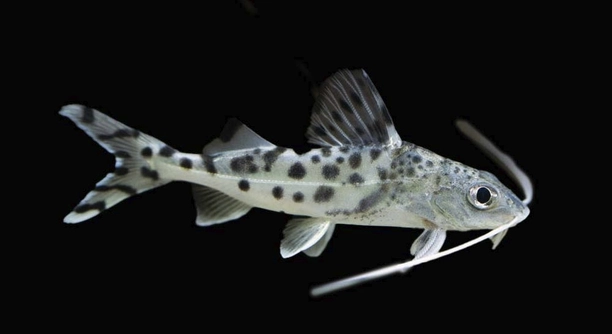
Pictus catfish are active and curious fish that enjoy exploring their environment. Encouraging their natural behavior can improve their well-being and keep them engaged. Understanding their needs helps create a stimulating habitat that supports their activity.
Providing hiding spots, varying decorations, and gentle water flow encourages pictus catfish exploration. These factors mimic their natural environment, reduce stress, and promote healthy activity. Consistent environmental enrichment is essential for their physical and mental health.
Exploring simple ways to enhance your pictus catfish’s habitat can lead to a happier, more active pet. The following tips offer practical approaches to support their natural curiosity.
Create Hiding Spots and Shelters
Pictus catfish feel safer when they have places to hide. Adding caves, PVC pipes, or dense plants gives them shelter where they can rest and observe. These hiding spots also reduce stress and encourage natural behaviors like exploring cautiously. By placing several shelters around the tank, you allow the catfish to choose different areas and move freely without feeling exposed. Using smooth decorations prevents injury since pictus catfish have delicate barbels that help them sense their surroundings. The right shelters balance comfort and exploration, making the aquarium a more inviting place. It’s important to clean these areas regularly to avoid buildup of waste and keep the environment healthy for your catfish. Watching them explore their little hideouts can be rewarding and shows that they feel secure in their tank.
Adding shelters is a simple and effective way to promote natural exploration and comfort for pictus catfish.
Providing varied hiding spots helps keep pictus catfish active and less stressed. These secure areas encourage movement while offering safe retreats. This balance supports their well-being and stimulates natural behaviors.
Use Gentle Water Flow to Stimulate Movement
Pictus catfish come from rivers with moderate currents, so replicating gentle water flow encourages their active nature. A gentle current pushes them to swim and explore rather than stay still. Positioning a filter output or air stone to create mild movement helps simulate their natural habitat. This encourages exercise and curiosity as they investigate water movement and find comfortable spots within the current. Avoid strong currents that tire them out or cause stress. Water movement also helps circulate oxygen and nutrients, improving overall tank health. Monitoring the flow regularly ensures it stays balanced and safe for your fish. Proper water flow keeps your pictus catfish healthy by mimicking conditions they are adapted to, encouraging natural swimming patterns and exploration.
Balanced water flow motivates pictus catfish to explore while maintaining tank oxygen levels. It supports their health and natural activity.
Creating the right current encourages swimming and stimulates natural behavior. This helps your pictus catfish stay healthy, active, and engaged with their environment.
Introduce Varied Tank Decorations
Changing tank decorations regularly encourages pictus catfish to explore new surroundings. Different textures and shapes keep their environment interesting and stimulate their curiosity.
Varied decorations like smooth stones, driftwood, and plants offer new areas to investigate. These changes prevent boredom and promote natural foraging behaviors. Switching decorations every few weeks maintains novelty. It’s important to choose items safe for aquatic life to avoid harming your catfish.
Different materials create diverse textures for your pictus catfish to explore. This enriches their habitat, encourages movement, and supports mental stimulation. By rearranging and adding new decorations, you help keep them active and engaged.
Provide a Balanced Diet with Live or Frozen Foods
Pictus catfish benefit from live or frozen foods like bloodworms and brine shrimp. These foods encourage natural hunting behaviors and add excitement during feeding times.
Offering a balanced diet with protein-rich options helps maintain their energy for exploration. Live and frozen foods are more stimulating than pellets alone, encouraging activity. Feeding small amounts multiple times a day mimics natural conditions and prevents overfeeding.
Including live or frozen foods supports your pictus catfish’s health and natural instincts. This dietary variety encourages exploration as they search for food, keeping them physically and mentally active.
Maintain Proper Lighting Cycles
Pictus catfish respond well to consistent lighting cycles that mimic natural day and night rhythms. This helps regulate their activity and encourages exploration during daylight hours.
Using a timer to control aquarium lighting ensures stability. Sudden changes in light can stress fish, so gradual transitions support their well-being and natural behaviors.
Add Floating Plants
Floating plants provide shaded areas and break up light, creating a more natural environment. This makes pictus catfish feel secure and encourages movement around the tank.
Keep Water Clean and Stable
Clean, stable water conditions are essential for pictus catfish health. Regular water changes and monitoring parameters reduce stress and promote active behavior.
Offer Companions for Social Stimulation
Pictus catfish are social and enjoy the presence of other peaceful fish. Having companions encourages natural schooling behavior and increased activity.
FAQ
How often should I change the decorations in my pictus catfish tank?
Changing decorations every few weeks helps keep the environment interesting for your pictus catfish. Too frequent changes may stress them, but too little can lead to boredom. Aim for small adjustments or adding new items every 3 to 4 weeks to maintain their curiosity and exploration habits.
What types of live or frozen foods are best for pictus catfish?
Bloodworms, brine shrimp, and daphnia are great choices for live or frozen foods. These foods encourage natural hunting and foraging behaviors. Feeding a variety of these protein-rich options alongside high-quality pellets ensures a balanced diet and keeps your catfish active.
Can pictus catfish live with other fish?
Yes, pictus catfish are social and generally peaceful, making them good tank mates for other non-aggressive fish of similar size. Avoid keeping them with overly aggressive or very small fish. Companions encourage natural schooling and increase their activity.
How strong should the water flow be in the tank?
A gentle to moderate water flow is ideal for pictus catfish. Strong currents can tire or stress them, while stagnant water reduces oxygen levels and limits movement. Adjust your filter or air stone to create a comfortable, natural flow.
What is the ideal tank setup for encouraging exploration?
A tank with multiple hiding spots, varied decorations, gentle water flow, and live plants creates an ideal environment. Maintaining stable water parameters and a balanced diet also promotes natural behavior and exploration.
How do lighting cycles affect pictus catfish activity?
Consistent lighting cycles help regulate their natural rhythms. About 10 to 12 hours of light daily simulates daytime, encouraging exploration. Using a timer avoids sudden changes that might stress them.
Are there signs my pictus catfish is stressed?
Signs include hiding excessively, loss of appetite, or clamped fins. Stress often results from poor water quality, sudden environmental changes, or aggressive tank mates. Addressing these issues quickly improves their well-being and encourages normal activity.
Is it necessary to feed live food every day?
Feeding live or frozen food 2 to 3 times a week is sufficient. Supplementing with quality pellets daily ensures nutritional balance. Overfeeding live food can cause water quality issues, so moderation is important.
How often should I clean the tank to support pictus catfish health?
Perform partial water changes of about 20-30% weekly to maintain clean water. Regular gravel vacuuming and filter cleaning also help remove waste. Clean water reduces stress and promotes activity and exploration.
Can pictus catfish adapt to artificial decorations?
Yes, they can adapt as long as decorations are safe and non-abrasive. Smooth surfaces and natural shapes mimic their habitat. Including a mix of artificial and live plants or driftwood can provide stimulating textures and shelter.
What temperature range is best for pictus catfish?
The ideal temperature range is between 74°F and 79°F (23°C to 26°C). Keeping the water stable within this range supports their health and encourages natural behaviors like exploration.
How do I know if my pictus catfish is healthy?
Healthy pictus catfish are active, have clear eyes, intact fins, and a good appetite. They explore their environment and respond to feeding. Regular observation helps catch early signs of illness or stress.
What is the best way to introduce new tank mates?
Introduce new fish slowly by quarantining them first to prevent disease. Add them gradually and watch interactions closely. Ensure tank size and conditions support all inhabitants to reduce stress and aggression.
Can changes in the tank setup cause stress?
Yes, sudden or drastic changes in decorations, water parameters, or lighting can stress pictus catfish. Introduce changes gradually and monitor behavior to help them adjust smoothly.
Is it necessary to have a planted tank for pictus catfish?
While not required, live plants provide hiding spots, improve water quality, and create a natural environment. They encourage exploration and reduce stress by offering shaded areas and breaks in light.
Pictus catfish are lively and curious fish that benefit greatly from an environment designed to encourage their natural behavior. Creating a tank that supports their exploration involves more than just adding decorations or feeding them well. It requires attention to their needs for shelter, water movement, lighting, and social interaction. When these factors come together, pictus catfish can thrive and show more activity, which makes caring for them more rewarding. A well-maintained tank with thoughtful enrichment promotes their health and well-being over time.
Providing multiple hiding spots and varied decorations gives pictus catfish places to explore safely. These elements help reduce stress and allow them to display their natural instincts. The gentle water flow mimics their natural river habitats and encourages movement without overwhelming them. Feeding a balanced diet with occasional live or frozen foods keeps them energetic and motivated to search for food. Maintaining clean water and consistent lighting cycles supports their overall stability, helping them stay active and healthy. Even small adjustments in tank setup can make a noticeable difference in their behavior.
Taking the time to understand pictus catfish needs and making simple improvements encourages them to be more active and engaged. This not only benefits the fish but also makes the aquarium more enjoyable to watch. Creating a stimulating and safe environment takes effort but is essential for the long-term happiness of your pictus catfish. By combining proper care with environmental enrichment, you help ensure your fish live a full and enriched life. This thoughtful approach is key to encouraging exploration and supporting their natural lifestyle.

Hello,
If you enjoy the content that we create, please consider saying a "Thank You!" by leaving a tip.
Every little bit helps us continue crafting quality advice that supports the health, happiness, and well-being of pets around the world, for pets of all shapes, sizes, and species.
We really appreciate the kindness and support that you show us!