
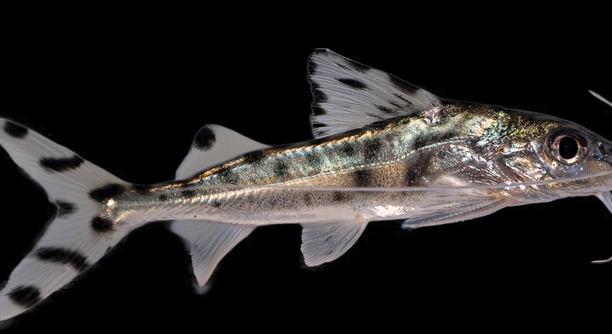
Driftwood is a popular decoration in many aquariums. It adds a natural look and can create hiding spots for fish. When setting up a tank for pictus catfish, it’s important to consider if driftwood is a suitable choice.
Using driftwood in a pictus tank is generally safe and beneficial. It can help maintain water quality by releasing tannins, which slightly lower pH levels, creating an environment similar to their natural habitat. Proper preparation of driftwood is essential to avoid water contamination and ensure fish health.
Knowing how to prepare and use driftwood properly will help maintain a balanced tank environment. This guide explains the benefits and precautions needed when adding driftwood to your pictus setup.
Benefits of Using Driftwood in a Pictus Tank
Driftwood offers several advantages when included in a pictus tank. It creates natural hiding spots, which helps reduce stress for these active catfish. The tannins released by driftwood gently lower the water’s pH, mimicking the soft, slightly acidic water pictus catfish prefer in the wild. This can improve their overall health and behavior. Additionally, driftwood adds visual interest and texture, making the tank environment more appealing. It also supports beneficial bacteria growth, which aids in breaking down waste and maintaining water quality. Choosing the right type of driftwood and preparing it properly is essential to prevent unwanted effects, such as water discoloration or harmful substances being released. Cleaning and soaking the driftwood before adding it to the tank helps reduce these risks, ensuring a safer environment for your fish.
Driftwood’s benefits go beyond aesthetics; it plays a vital role in water chemistry and fish comfort. This balance supports a healthier tank ecosystem.
Understanding these advantages allows you to make informed decisions about decorating your pictus tank while prioritizing fish well-being.
Preparing Driftwood for Your Pictus Tank
Proper preparation is key to safely using driftwood in your aquarium. Start by choosing natural hardwood driftwood without chemicals or treatments. Avoid softwoods, as they can decay quickly and pollute the water. Once selected, scrub the driftwood under running water to remove dirt and loose debris. Soaking it for several days helps to leach out tannins and any harmful substances. Boiling the driftwood, if possible, further sterilizes it and speeds up the tannin release process. This preparation prevents sudden water changes and keeps the tank environment stable for your pictus catfish. After soaking and boiling, inspect the driftwood for softness or signs of decay, and discard any pieces that are too fragile.
Following these steps ensures your driftwood is safe and ready to support your fish’s habitat.
Properly prepared driftwood lasts longer and contributes positively to your tank’s health and appearance. It reduces risks of spikes in tannin levels or harmful contaminants. This process also limits the amount of water discoloration, which can be excessive if driftwood is not treated correctly. By taking time to clean, soak, and boil the wood, you create a more natural environment that encourages your pictus catfish to thrive. Remember to monitor water parameters regularly after adding driftwood, as even well-prepared pieces can influence pH and hardness over time. Adjusting your maintenance routine accordingly helps maintain a stable and healthy aquarium environment for your fish.
Impact of Driftwood on Water Quality
Driftwood naturally releases tannins, which can turn the water a tea-like color. This is harmless but may affect water clarity. The tannins help lower pH levels, making the water slightly acidic, which is beneficial for pictus catfish.
This acidity mimics the fish’s natural habitat and supports their health. However, too many tannins can cause a significant drop in pH, which might stress your fish if not monitored. Regular water testing is necessary to maintain stable conditions. It’s also important to do partial water changes to manage tannin concentration. Proper preparation of driftwood, such as soaking and boiling, helps minimize excessive tannin release and reduces initial water discoloration.
In addition, driftwood provides surface area for beneficial bacteria, which aid in breaking down waste and maintaining overall water quality. While driftwood changes some parameters, its benefits often outweigh the challenges when used correctly. Regular maintenance ensures a balanced, healthy environment for pictus catfish.
Choosing the Right Driftwood for Your Tank
Selecting the correct type of driftwood is essential to avoid water issues and promote fish health. Hardwood driftwood like Malaysian or Mopani wood is durable and safe for aquariums.
Softwoods tend to rot quickly and release unwanted substances that can harm your tank’s ecosystem. Avoid driftwood collected from unknown sources, as it may carry pesticides or pollutants. Choosing aquarium-safe wood ensures longevity and less maintenance. Size and shape also matter; driftwood should fit comfortably in the tank without overcrowding, leaving enough swimming space for your pictus catfish. Properly selected driftwood enhances both the tank’s appearance and fish well-being.
Monitoring Your Tank After Adding Driftwood
After placing driftwood in your pictus tank, keep an eye on water parameters regularly. Watch for changes in pH, hardness, and water clarity to ensure stability.
Adjust your maintenance routine if needed, such as increasing water changes or adding activated carbon to control tannin levels.
Driftwood and Algae Growth
Driftwood can encourage algae growth because it provides surfaces for algae to attach. This is normal but requires regular cleaning to prevent overgrowth. Use gentle scrubbing and avoid harsh chemicals to protect your fish and the wood.
Maintaining a balanced tank with good filtration helps keep algae in check and preserves the tank’s appearance.
Common Mistakes to Avoid
Avoid adding untreated driftwood directly to the tank, as it may release harmful substances or cause drastic water changes. Also, don’t overcrowd the tank with too much driftwood, limiting swimming space for your pictus catfish. Proper preparation and placement are key to success.
FAQ
Can driftwood harm my pictus catfish?
Driftwood is generally safe for pictus catfish when properly prepared. Untreated or poorly prepared driftwood can release harmful substances or cause sudden changes in water chemistry, which may stress or harm your fish. Always clean, soak, and boil the driftwood before adding it to the tank to avoid these issues.
Why does driftwood turn my tank water brown?
The brown tint comes from tannins naturally released by the driftwood. This is normal and harmless to pictus catfish. Tannins can lower pH and soften the water, creating a more natural environment for your fish. Using activated carbon in your filter can help reduce discoloration if desired.
How long does it take for driftwood to stop releasing tannins?
Tannin release varies depending on the type and size of the driftwood. Typically, it can take a few weeks to a few months for tannin levels to stabilize. Soaking and boiling the driftwood beforehand helps speed up this process and reduces excessive tannin release once in the tank.
Should I soak or boil driftwood before adding it?
Both soaking and boiling are recommended. Soaking helps leach out tannins and any harmful substances, while boiling sterilizes the wood and speeds up tannin release. Boiling for at least one hour, followed by several days of soaking, provides the safest preparation for your tank.
Can driftwood affect the pH of my aquarium?
Yes, driftwood naturally lowers pH by releasing tannins, which create a mildly acidic environment. This can be beneficial for pictus catfish, as they thrive in slightly acidic water. However, monitor pH regularly to avoid sudden drops that might stress your fish.
Will driftwood encourage algae growth?
Driftwood offers a surface for algae to grow, so it can contribute to increased algae in your tank. Regular cleaning of the wood and maintaining good water quality helps control algae growth. Algae is a normal part of most aquariums and can be managed with routine maintenance.
Is all driftwood safe for aquarium use?
No, not all driftwood is safe. Only aquarium-safe hardwoods like Malaysian or Mopani wood are recommended. Avoid driftwood from unknown sources or softwoods, which can rot quickly or release harmful substances. Purchasing driftwood from reputable aquarium suppliers reduces risks.
How much driftwood is too much?
Overcrowding the tank with driftwood limits swimming space and may create areas with poor water flow. For pictus catfish, it’s important to leave enough open space for them to swim actively. Use driftwood sparingly to balance decoration and functionality.
Can I use driftwood with other tank decorations?
Yes, driftwood works well alongside rocks, plants, and substrate. Combining decorations creates a more natural and enriching environment for your pictus catfish. Just ensure the tank isn’t overcrowded and that all materials are aquarium safe.
What should I do if my water’s pH drops too low after adding driftwood?
If pH drops suddenly or becomes too acidic, perform partial water changes to raise the pH gradually. Using buffering agents designed for aquariums can also help stabilize pH. Monitoring water parameters closely during this time is crucial to protect your fish.
How often should I clean driftwood in my tank?
Clean driftwood as needed, usually once every few weeks, to remove algae and debris. Use a soft brush or sponge and avoid harsh chemicals. Regular cleaning maintains the wood’s appearance and prevents buildup that could affect water quality.
Can driftwood be used in tanks with other fish besides pictus catfish?
Yes, driftwood is suitable for many freshwater fish species, especially those preferring soft, acidic water. However, preparation and monitoring remain important to ensure it benefits all tank inhabitants.
Will driftwood float in the aquarium?
Some driftwood may float initially. Boiling and soaking usually make it waterlogged enough to sink. If it still floats, you can weigh it down with aquarium-safe stones or secure it in place until it becomes waterlogged.
Can driftwood break down over time in the tank?
Driftwood can slowly break down, especially softer types, which may affect water quality negatively. Choosing durable hardwoods and monitoring the condition of the wood helps prevent issues related to decay.
Is it necessary to remove driftwood during tank maintenance?
You don’t have to remove driftwood during routine maintenance. However, if you notice decay, excessive algae growth, or water quality issues, temporarily removing and cleaning the driftwood may be necessary.
Does driftwood affect water hardness?
Driftwood primarily affects pH, but it can also slightly soften the water by releasing tannins. This creates a better environment for fish like pictus catfish that prefer softer, slightly acidic water. Regular testing helps track these changes.
Driftwood can be a valuable addition to a pictus catfish tank, offering both aesthetic and environmental benefits. It creates a natural look and provides hiding spots that help reduce fish stress. The tannins released by driftwood gently lower the water’s pH, which is favorable for pictus catfish because it resembles their natural habitat. Using driftwood can improve the overall health and comfort of your fish when properly managed. However, it is important to choose the right type of driftwood and prepare it carefully before placing it in the aquarium. Cleaning, soaking, and boiling are key steps to ensure the wood does not introduce harmful substances or cause sudden water chemistry changes. This preparation also helps limit the initial discoloration of the water caused by tannins.
Maintaining a balanced tank after adding driftwood requires regular monitoring. Water parameters such as pH, hardness, and clarity should be checked frequently, especially in the early stages after introducing the wood. Tannins can affect these factors, and while their presence is usually beneficial, excessive amounts may cause problems. Partial water changes and the use of activated carbon in filtration can help manage tannin levels and maintain clear water. It is also necessary to clean driftwood occasionally to prevent algae buildup, which can occur naturally on any surface in the tank. Avoid overcrowding the tank with too much driftwood to ensure your pictus catfish have enough open space to swim actively and comfortably.
In summary, driftwood can enhance both the visual appeal and the aquatic environment of a pictus tank when used thoughtfully. Taking the time to select suitable wood, prepare it correctly, and maintain water quality will contribute to a healthy, stable habitat for your fish. While it requires some effort and attention, the benefits of driftwood often outweigh the challenges. Observing your fish and water conditions regularly will help you adjust your care routine as needed. This will ensure your pictus catfish thrive in a natural, comfortable setting enriched by the presence of driftwood.

Hello,
If you enjoy the content that we create, please consider saying a "Thank You!" by leaving a tip.
Every little bit helps us continue crafting quality advice that supports the health, happiness, and well-being of pets around the world, for pets of all shapes, sizes, and species.
We really appreciate the kindness and support that you show us!