
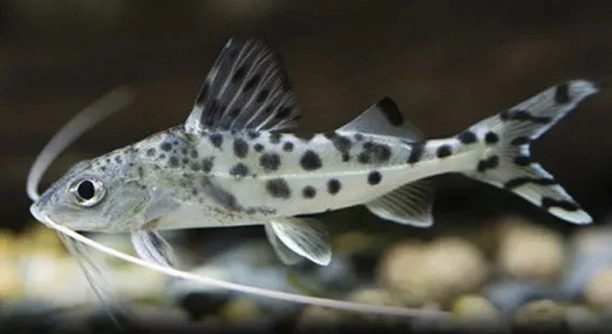
Many people enjoy keeping pictus catfish because they are peaceful and active fish. These fish thrive in groups and need enough space to swim comfortably. Providing the right tank size helps them stay healthy and happy in a home aquarium.
The ideal tank size for a pictus group is at least 30 gallons for a small group of 4 to 6 fish. Larger tanks of 40 gallons or more are better for bigger groups, allowing enough swimming space and stable water conditions.
Choosing the right tank size can improve your pictus catfish’s wellbeing and make your aquarium a balanced environment for them to grow.
Why Tank Size Matters for Pictus Groups
The size of your tank is very important when keeping pictus catfish. These fish are active swimmers that like to explore and move around a lot. When they are kept in a tank that is too small, they can become stressed or develop health problems. A larger tank provides more room for swimming and helps maintain good water quality. In smaller tanks, waste builds up faster, which can harm the fish. Also, pictus catfish prefer to live in groups, so they need enough space to spread out. If the tank is too crowded, it can lead to aggression or competition for food. Choosing the right tank size helps your fish feel safe and comfortable, which improves their overall behavior and lifespan. It also makes it easier to keep the water clean and stable.
Proper tank size is key to the health and happiness of your pictus catfish group.
A good-sized tank helps maintain steady water parameters and reduces stress among your fish. It supports their social nature by giving them room to interact without overcrowding.
How to Set Up a Tank for a Pictus Group
For a pictus group, aim for a tank that starts at 30 gallons, with more space if you want a larger group. Use a gentle filtration system to keep the water clean but avoid strong currents, as pictus prefer calmer water. Adding hiding spots with plants, driftwood, or rocks is important because these fish like places to rest and feel secure. Keep the tank temperature between 75 and 80 degrees Fahrenheit and maintain a pH of 6.5 to 7.5. Regular water changes are necessary to keep the environment healthy. A tank set up like this will encourage natural behavior and help reduce stress. Feeding your pictus a varied diet and avoiding overfeeding will also keep them in good shape. By creating a comfortable and stable home, you ensure your fish thrive together peacefully.
Common Mistakes in Pictus Tank Setup
Many people make the mistake of choosing tanks that are too small for pictus catfish groups. This limits their swimming space and increases stress. Overcrowding can cause health issues and aggressive behavior, which is avoidable with the right tank size.
Setting up a tank without enough hiding spots is another common error. Pictus catfish appreciate places where they can retreat when they feel threatened. Without these, they may become anxious and hide excessively. Also, using filters that create strong currents can tire the fish, as they prefer calm water. Neglecting regular water changes can quickly degrade water quality, leading to poor health. Attention to these details can prevent many problems.
Ignoring water parameters is a frequent problem. Pictus catfish need stable temperature and pH levels to thrive. Fluctuations can cause stress and illness. Ensuring proper tank maintenance keeps your group healthy and active.
Feeding and Care Tips for Pictus Groups
Pictus catfish enjoy a varied diet including sinking pellets, live or frozen foods, and vegetables. Feeding them small amounts two or three times daily prevents overfeeding and maintains water quality. They are scavengers, so leftover food should be removed promptly.
Regular water changes are critical for keeping your tank environment healthy. Changing 20-25% of the water weekly helps reduce toxins and keeps parameters stable. Monitor temperature and pH consistently to avoid sudden shifts. Keeping the tank clean and providing a balanced diet supports your fish’s immune system and longevity. Careful attention to feeding and tank maintenance leads to a thriving pictus group.
Ideal Group Size for Pictus Catfish
A group of 4 to 6 pictus catfish is ideal for most home aquariums. This size allows them to interact naturally without overcrowding the tank.
Larger groups need more space, so increasing tank size is necessary to keep the fish healthy and stress-free.
Benefits of Keeping Pictus in Groups
Pictus catfish are social animals that feel safer in groups. When kept together, they show more natural behaviors and are less likely to be shy or stressed. Groups provide companionship and reduce loneliness, which helps the fish stay active and healthy. Watching their interactions can be rewarding and makes the aquarium more lively.
Tank Decorations and Layout
Use plenty of hiding spots like plants and driftwood. These create a comfortable environment and reduce stress.
Water Quality Maintenance
Keep water clean by testing regularly and performing weekly water changes. Good water quality is essential for pictus health.
FAQ
What size tank do I need for a group of pictus catfish?
For a small group of 4 to 6 pictus catfish, a tank of at least 30 gallons is recommended. If you want a larger group, consider a tank of 40 gallons or more. This gives them enough swimming space and helps keep the water stable and clean.
Can pictus catfish live alone?
Pictus catfish are social fish and prefer to live in groups. Keeping a single pictus can cause stress and may lead to shy or withdrawn behavior. A group helps them feel secure and encourages natural activity.
How often should I feed pictus catfish?
Feed pictus catfish two to three times a day, offering small amounts each time. They are scavengers but avoid overfeeding to prevent leftover food from polluting the tank.
What is the best diet for pictus catfish?
A varied diet is best. Use sinking pellets, frozen or live foods like bloodworms, and occasional vegetables. This variety helps keep them healthy and active.
What water conditions do pictus catfish prefer?
Pictus catfish thrive in water temperatures between 75 and 80 degrees Fahrenheit, with a pH of 6.5 to 7.5. Stable conditions are important, so regular monitoring and water changes are necessary.
How often should I change the water in a pictus catfish tank?
Changing 20 to 25% of the water weekly helps maintain water quality and removes toxins. This keeps your fish healthy and prevents diseases.
Do pictus catfish need hiding spots?
Yes, they appreciate places to hide such as plants, driftwood, or rocks. Hiding spots reduce stress and allow the fish to rest when needed.
Can pictus catfish live with other fish?
Pictus catfish are peaceful and can live with other non-aggressive fish. Avoid housing them with very large or aggressive species to prevent stress or injury.
How big do pictus catfish get?
Pictus catfish typically grow to about 4 to 5 inches in length. This is why a proper tank size is important to give them enough room to swim comfortably.
What are signs of stress in pictus catfish?
Signs include hiding more than usual, loss of appetite, sluggish swimming, or clamped fins. Stress often results from poor water quality, overcrowding, or lack of hiding places.
How do I prevent diseases in pictus catfish?
Maintain clean water through regular changes, avoid overfeeding, and quarantine new fish before adding them to the tank. A healthy environment reduces disease risk.
Is a strong filter needed for pictus catfish?
A filter that provides good water quality without creating a strong current is ideal. Pictus catfish prefer calmer waters, so avoid filters that produce too much flow.
Can I keep pictus catfish in a planted tank?
Yes, they do well in planted tanks. Plants provide hiding spots and help improve water quality, creating a more natural environment for your fish.
How fast do pictus catfish grow?
Growth depends on diet and tank conditions but generally, pictus catfish grow steadily and reach full size within a year. Good care supports healthy growth.
What is the lifespan of pictus catfish?
With proper care, pictus catfish can live 8 to 10 years in captivity. Good water quality and a balanced diet contribute to a long, healthy life.
Choosing the right tank size for a group of pictus catfish is important for their health and happiness. These fish are active swimmers and enjoy being in groups, so they need enough space to move around comfortably. A tank that is too small can cause stress, poor water quality, and even health problems for your fish. Starting with a 30-gallon tank for a small group is a good idea, and larger groups will need bigger tanks. Providing enough room helps the fish stay active and reduces the chance of aggressive behavior or illness.
Setting up the tank properly also plays a key role in caring for pictus catfish. It is important to have plenty of hiding spots, like plants and driftwood, where the fish can rest and feel safe. The water should be clean and stable, with a temperature between 75 and 80 degrees Fahrenheit and a pH level around 6.5 to 7.5. Using a gentle filter that does not create strong currents helps keep the water fresh while making sure the fish are comfortable. Regular water changes and careful feeding routines also support the health of your pictus group.
Taking care of pictus catfish means paying attention to their environment and social needs. These fish thrive when they live in groups and have enough space to swim freely. Watching them interact and stay active in a well-maintained tank is rewarding. By choosing the right tank size and keeping the water quality high, you provide a safe and happy home for your pictus catfish. This care ensures they can live a long, healthy life while brightening your aquarium with their lively presence.

Hello,
If you enjoy the content that we create, please consider saying a "Thank You!" by leaving a tip.
Every little bit helps us continue crafting quality advice that supports the health, happiness, and well-being of pets around the world, for pets of all shapes, sizes, and species.
We really appreciate the kindness and support that you show us!