
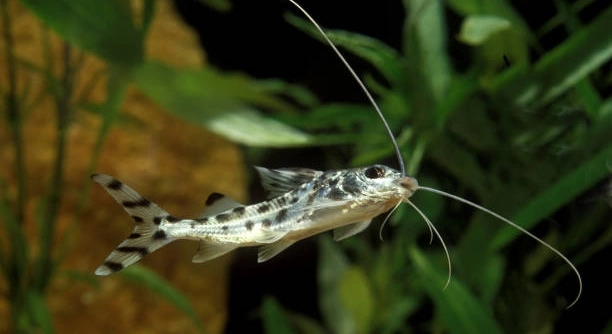
Caring for pictus catfish means paying attention to their tank environment. One important factor is choosing the right substrate. The substrate affects their comfort, health, and overall tank cleanliness.
The best substrates for pictus catfish tanks are those that are soft, smooth, and non-abrasive. Options like fine sand, smooth gravel, and specialized aquarium substrates provide a safe bottom layer that protects their delicate barbels and promotes natural behavior.
Picking the right substrate helps create a healthier space for your catfish and makes tank maintenance easier over time.
Fine Sand Substrate
Fine sand is a popular choice for pictus catfish tanks because it closely mimics their natural riverbed environment. The smooth texture is gentle on their sensitive barbels, reducing the risk of injury. Sand also allows the catfish to dig and sift easily, which is part of their natural behavior. It helps in keeping the tank clean since debris tends to settle on top and can be removed during regular maintenance. However, fine sand can sometimes compact, so stirring it occasionally helps keep oxygen flowing through the substrate. It also provides a natural look that complements plants and decorations. Many aquarists prefer sand for its aesthetic and functional benefits, making it a practical option for pictus catfish habitats.
Fine sand creates a natural, safe environment that supports healthy catfish behavior and is easy to maintain.
Choosing fine sand ensures your pictus catfish have a comfortable and natural-feeling bottom layer in their tank.
Smooth Gravel Substrate
Smooth gravel is another good substrate choice for pictus catfish. It’s important to select gravel with rounded edges to avoid harming their barbels. Gravel allows for better water flow at the tank bottom compared to sand, reducing the chances of anaerobic spots. This can help keep the tank environment healthier for longer periods. It also supports beneficial bacteria growth, which aids in breaking down waste. Gravel substrates come in various sizes and colors, allowing for some customization in tank appearance. While it is less natural than sand, gravel offers durability and ease of cleaning, making it a practical choice for many aquarists who want a balance between function and look.
When choosing gravel, smooth and medium-sized pieces work best to protect your catfish and maintain tank health.
Using smooth gravel helps maintain good water quality and provides a safe surface for your pictus catfish to explore.
Specialized Aquarium Substrates
Specialized substrates designed for freshwater tanks often contain nutrients that benefit live plants. They are usually smooth enough for pictus catfish and help maintain stable water parameters. These substrates support a balanced ecosystem, promoting healthier fish and plants.
These substrates are made to provide essential minerals and keep the tank water stable. Their texture is gentle, so they don’t harm the sensitive barbels of pictus catfish. By fostering plant growth, they help improve water quality through natural filtration. This contributes to a more natural and healthy habitat for your fish. Although they can be more expensive than regular sand or gravel, the benefits to the tank’s environment often justify the cost.
When choosing specialized substrates, it’s important to match the product with your tank’s plants and fish needs. Proper use can create a thriving tank where your pictus catfish can feel secure and comfortable.
Bare Bottom Tanks
Bare bottom tanks are sometimes chosen for easier cleaning and maintenance. Without substrate, debris doesn’t accumulate, making waste removal straightforward.
While bare bottom tanks simplify tank upkeep, they don’t offer a natural environment or places for pictus catfish to explore and hide. This can cause stress since these fish are used to soft substrates. Additionally, barbels may become more prone to damage on hard surfaces. However, some aquarists find this setup useful for quarantine tanks or breeding purposes where cleanliness is a priority.
If you decide to keep a bare bottom tank, consider adding plenty of decorations and hiding spots. This will help your catfish feel more secure despite the lack of substrate. It’s a trade-off between ease of maintenance and creating a comfortable habitat for your fish.
River Rock Substrate
River rocks offer a natural look and can be safe if they are smooth and rounded. They provide good water circulation around the tank bottom.
However, river rocks tend to be larger and heavier, which might limit digging behavior. They are best used with caution to avoid injury to pictus catfish barbels.
Peat Moss Substrate
Peat moss can help soften water and lower pH, creating conditions similar to the pictus catfish’s natural habitat. It also releases tannins that have mild antibacterial properties. Using peat moss may require more frequent water changes because it can discolor the water slightly, but many find this effect beneficial. It is not a substrate to walk on but can be added in a substrate layer or filter to improve water quality. Peat moss helps maintain a stable and healthy environment for sensitive fish like pictus catfish.
Clay-Based Substrate
Clay-based substrates are rich in minerals and can support beneficial bacteria growth. They help maintain water stability and improve plant health.
What substrate is best for pictus catfish?
The best substrate for pictus catfish is one that is soft, smooth, and non-abrasive. Fine sand and smooth gravel are top choices because they protect the catfish’s sensitive barbels from injury. These substrates also allow the fish to exhibit natural behaviors like digging and sifting. Specialized aquarium substrates that support plant growth and maintain stable water conditions are also excellent options. Avoid sharp or coarse materials that can damage your catfish.
Can I use regular gravel for pictus catfish tanks?
Regular gravel can be used only if it has smooth, rounded edges. Sharp or jagged gravel poses a risk to pictus catfish’s barbels, which are delicate. If using gravel, select medium-sized pieces to balance safety and water flow. Gravel helps beneficial bacteria grow and supports water quality, but be sure to avoid gravel that is too coarse or sharp.
Is sand better than gravel for pictus catfish?
Sand is generally better because it closely resembles the natural riverbed where pictus catfish live. It is soft and safe for their barbels, making it easier for them to dig and explore. Sand also allows debris to settle on the surface, making it easier to clean. Gravel is more durable and easier to clean but requires careful selection to avoid injuring the fish.
Can bare bottom tanks work for pictus catfish?
Bare bottom tanks are possible but not ideal for pictus catfish. Without substrate, the tank is easier to clean and maintain, but it lacks the natural environment the fish need. Bare bottoms can cause stress and barbel damage due to the hard surface. Adding decorations and hiding places can help reduce stress in a bare bottom setup.
How do specialized substrates benefit pictus catfish?
Specialized substrates offer nutrients for live plants, which improve water quality by filtering waste naturally. These substrates maintain stable water conditions and provide a soft surface safe for the catfish. Although they are more expensive, they create a balanced environment that supports both plants and fish health.
What about peat moss in the tank?
Peat moss is useful for softening water and lowering pH, simulating natural conditions for pictus catfish. It releases tannins that mildly protect against bacteria. It’s not meant to be a walking surface but can be mixed with other substrates or used in filters. Peat moss may tint the water slightly, but this is often beneficial and safe.
Are river rocks safe for pictus catfish?
River rocks are safe only if they are smooth and rounded. Larger rocks limit digging and exploration, which are natural behaviors of pictus catfish. Use caution to ensure rocks don’t have sharp edges. They provide good water circulation but are less comfortable for the catfish compared to sand or fine gravel.
How often should substrate be cleaned in pictus catfish tanks?
Substrate cleaning depends on tank size, fish load, and substrate type. Regular gentle stirring of sand prevents compaction and helps oxygen flow. Gravel should be vacuumed to remove debris. Avoid deep cleaning that disrupts beneficial bacteria. Weekly or biweekly cleaning usually keeps the tank healthy without stressing the fish.
Can substrate affect water quality?
Yes, substrate greatly affects water quality. It can trap debris, host beneficial bacteria, and impact pH levels. Choosing the right substrate helps maintain a stable, clean environment. Specialized substrates improve water chemistry, while sand and gravel provide surfaces for bacteria to break down waste naturally.
Is clay-based substrate good for pictus catfish?
Clay-based substrates are beneficial because they hold minerals that support fish health and plant growth. They encourage beneficial bacteria, which improve water quality. The texture is usually smooth enough for pictus catfish to be safe. Clay substrates help create a stable environment, especially in planted tanks.
Choosing the right substrate for your pictus catfish tank is important for their health and comfort. The substrate forms the base of the tank and affects how your fish behave and how easy it is to keep the tank clean. Soft, smooth substrates like fine sand and smooth gravel are usually the best choices because they protect the catfish’s delicate barbels. These barbels help the fish sense their environment, so it’s important to avoid rough or sharp materials that might cause damage. A comfortable substrate also encourages natural behaviors like digging and searching for food, which helps keep your fish happy and active.
Specialized aquarium substrates can add extra benefits to your tank. They provide minerals and nutrients that support live plants and help maintain stable water conditions. Healthy plants improve water quality by filtering out waste naturally, which creates a better environment for your pictus catfish. Peat moss is another useful option because it softens the water and lowers pH, making the tank more like the catfish’s natural habitat. However, peat moss can tint the water slightly, so regular maintenance is needed to keep everything balanced. Choosing the right substrate is not just about looks; it plays a key role in creating a safe and healthy space for your fish.
Finally, it’s important to remember that each tank setup and fish can have different needs. What works well for one aquarium may not be ideal for another. Regular cleaning and careful observation will help you know if the substrate is supporting your fish’s well-being. Adding decorations and plants can also improve the tank environment, especially if you use substrates like bare bottoms or river rocks. Overall, a good substrate choice combined with proper care will help your pictus catfish thrive and keep your tank looking great.

Hello,
If you enjoy the content that we create, please consider saying a "Thank You!" by leaving a tip.
Every little bit helps us continue crafting quality advice that supports the health, happiness, and well-being of pets around the world, for pets of all shapes, sizes, and species.
We really appreciate the kindness and support that you show us!