
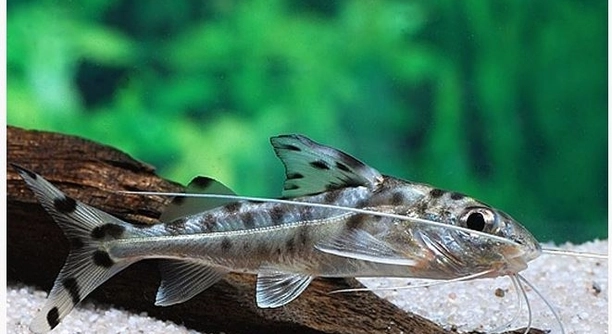
Many aquarium hobbyists enjoy keeping Pictus Catfish for their lively behavior and unique appearance. These fish are popular in community tanks and need a comfortable environment to thrive. Lighting is an important part of creating that environment.
LED lights can be safely used with Pictus Catfish, as they provide adjustable and energy-efficient lighting without producing excessive heat. Proper lighting supports their natural behavior and helps maintain a healthy tank environment.
Choosing the right lighting can affect your catfish’s wellbeing and the overall look of your aquarium. Understanding the best options helps you create a balanced and enjoyable habitat.
Understanding Pictus Catfish Lighting Needs
Pictus Catfish come from rivers with moderate light, so their tank lighting should reflect this environment. Too bright lighting can stress them out, causing them to hide more often. LED lights are great because they can be dimmed or adjusted to match their comfort level. These catfish are nocturnal, meaning they are more active during low light periods or at night. Keeping the tank light at a moderate level during the day helps mimic their natural habitat. This balance supports their normal activity and reduces stress. In addition to comfort, good lighting also helps plants and other tank inhabitants thrive, creating a healthier aquarium overall. Choosing LED lights with adjustable brightness gives control over how much light the fish get. It also avoids excess heat that could affect water temperature. A calm lighting setup benefits Pictus Catfish behavior and tank aesthetics at the same time.
LED lights help keep the tank environment stable for Pictus Catfish.
Maintaining proper lighting cycles, like 8-10 hours of light daily, mimics natural day and night. This supports their biological rhythms. Avoid leaving lights on too long, as this can disrupt their rest and cause stress. Using a timer with LED lights makes it easy to keep a consistent schedule. Pictus Catfish appreciate dim or shaded areas in the tank, so adding plants or decorations can create hiding spots and reduce direct light exposure. Overall, lighting should aim to recreate their natural river conditions to keep them healthy and active.
Benefits of LED Lights for Pictus Catfish Tanks
LED lights are energy efficient and last much longer than traditional bulbs. They produce very little heat, which helps maintain stable water temperatures, crucial for sensitive fish like Pictus Catfish. The color spectrum of LEDs can be chosen to highlight the natural colors of your fish and plants, improving the tank’s appearance. LEDs also allow for flexible placement and easy control of brightness and color tones. This makes it simple to customize lighting to suit your catfish’s needs and the tank’s layout. Using LED lights reduces energy costs and limits how often you need to replace bulbs, saving time and money.
Adjustable LED lighting promotes a healthier and more natural tank environment.
Besides the practical benefits, LED lights contribute to the wellbeing of your Pictus Catfish by allowing you to simulate dawn, daylight, and dusk. This gradual change in light can reduce stress compared to sudden bright light. The flexibility of LEDs also makes it easier to maintain a consistent light schedule, supporting the fish’s internal clock. By carefully selecting and managing your LED setup, you create a comfortable space that encourages natural behavior, which is key for the happiness and longevity of your catfish. Proper lighting, combined with clean water and good nutrition, forms the foundation for a thriving aquarium.
Choosing the Right LED Light for Your Pictus Catfish
Selecting the right LED light means considering brightness, color temperature, and adjustability. A moderate brightness with a color temperature around 6500K suits most freshwater tanks, including those with Pictus Catfish.
Many LED lights offer adjustable settings, allowing you to change brightness levels and color tones. This flexibility helps you create a comfortable environment for your catfish while enhancing the tank’s look. Avoid overly bright or harsh white lights, as these can stress the fish. Instead, choose LEDs that provide soft, natural light. Also, look for waterproof and durable designs since aquariums are humid spaces. Good quality LEDs ensure long-lasting performance and stable lighting conditions for your aquarium.
Positioning your LED lights properly is just as important as choosing the right one. Placing lights evenly above the tank prevents harsh shadows and ensures the entire aquarium is well lit. Combine LED lighting with some shaded areas or plants to offer hiding spots for the catfish. This setup reduces stress and mimics the fish’s natural habitat.
Common Mistakes When Using LED Lights with Pictus Catfish
Too much light is one of the biggest mistakes when using LEDs in a Pictus Catfish tank. Excessive brightness can cause stress and hiding behavior. Another issue is running lights for too long, disrupting their natural rhythms.
It’s also common to forget adjusting the light intensity as plants grow or tank conditions change. Neglecting to provide shaded areas or hiding spots under bright LEDs can make catfish uncomfortable. Finally, using poor-quality LEDs may lead to inconsistent lighting or early burnout, which affects tank stability. Avoid these mistakes by choosing adjustable LEDs, setting timers for proper light cycles, and creating a balanced environment with both light and shade. This approach helps keep your Pictus Catfish healthy and active.
Adjusting LED Light Intensity for Comfort
Adjust the LED brightness gradually to avoid startling your Pictus Catfish. Sudden changes can cause stress and unusual behavior. Start with lower intensity and increase slowly if needed.
Observe how your catfish reacts to different light levels. If they hide often, the light might be too strong. Aim for a soft, natural glow that encourages activity without overwhelming them.
Using LED Timers for Consistency
LED timers help maintain a stable day-night cycle, which is essential for Pictus Catfish health. Consistent lighting supports their natural rhythms and reduces stress by simulating their environment.
Impact of LED Colors on Pictus Catfish Behavior
Different LED color settings can affect how your catfish behaves. Soft white or warm tones tend to be calming, while very bright or cool blue lights might cause discomfort or increased hiding.
Combining LED Lights with Aquarium Decor
Adding plants or decorations creates shaded spots that balance LED brightness. These areas help Pictus Catfish feel secure and reduce stress in the tank.
FAQ
Can LED lights harm Pictus Catfish?
LED lights themselves do not harm Pictus Catfish when used properly. The key is to avoid excessive brightness or long periods of strong light, which can stress the fish. Using dimmable LEDs and creating shaded areas in the tank helps prevent discomfort and allows the catfish to behave naturally.
How long should LED lights stay on in a Pictus Catfish tank?
A lighting period of about 8 to 10 hours per day is ideal. This mimics natural daylight cycles and helps the catfish maintain their internal biological rhythms. Too much light can disrupt their sleep and increase stress, so using a timer can keep lighting consistent.
What color LED light is best for Pictus Catfish?
Soft white or natural daylight tones around 6500K work well. These colors create a calm environment and highlight the catfish’s colors without being harsh. Avoid very bright blue or cold white LEDs, which may cause the fish to hide more often or become stressed.
Can LED lights affect algae growth in my tank?
Yes, LED lights can encourage algae growth if they are too bright or left on for too long. Managing light intensity and duration, as well as keeping up with regular tank maintenance, helps control algae. Adding live plants can also compete with algae for nutrients, keeping growth balanced.
Should I use colored LED lights for my Pictus Catfish tank?
Colored LEDs can be used for decoration but are not necessary for the catfish’s health. Some colors might stress the fish or interfere with their natural behavior. If using colored lights, stick to subtle tones and avoid bright or flashing colors.
How do I know if my Pictus Catfish is stressed by the lighting?
Signs of stress include excessive hiding, reduced activity, loss of appetite, or erratic swimming. If you notice these behaviors after changing lighting, try dimming the LEDs or providing more shaded areas. Observing your fish regularly helps catch problems early.
Is it better to have LED lights on during feeding time?
Keeping lights on during feeding can encourage Pictus Catfish to be more active and find food easily. However, the light should not be too bright or harsh. A moderate glow is enough to support feeding behavior without causing stress.
Can LED lighting replace natural sunlight for Pictus Catfish?
While LED lights can simulate natural daylight well, they do not replace sunlight completely. Direct sunlight may cause temperature fluctuations and algae growth. LEDs provide stable, controlled light that is safer and more reliable for aquarium fish.
Do Pictus Catfish prefer light or dark tanks?
They prefer moderately lit tanks with plenty of shaded or dark areas to hide in. A balance of light and shadow mimics their natural habitat, allowing them to feel secure and active.
How often should I replace LED bulbs in my aquarium?
Good-quality LED lights last many years and rarely need frequent replacement. Check the manufacturer’s recommendations, but usually, LEDs can last 3-5 years or longer with proper care.
Can I use LED lights with other fish alongside Pictus Catfish?
Yes, LED lights are suitable for most community tanks. Adjust brightness and color to meet the needs of all species. Some fish prefer brighter or dimmer light, so creating zones with different lighting levels can help.
What is the best way to set up LED lights for a Pictus Catfish tank?
Install LEDs evenly across the tank for balanced light distribution. Use adjustable brightness settings and timers to control the light cycle. Combine with plants or decorations to offer shaded areas, making the tank comfortable for the catfish.
Will LED lights affect the growth of plants in a Pictus Catfish tank?
LEDs designed for freshwater aquariums usually support plant growth well. Look for lights with the right spectrum (around 6500K) to promote photosynthesis. Healthy plants improve water quality and offer natural shelter for your fish.
Is it safe to leave LED lights on overnight?
It’s best not to leave LED lights on overnight. Pictus Catfish need dark periods to rest properly. Continuous light can cause stress and disrupt their natural behavior. Using timers helps provide a regular light-dark cycle.
Can LED lights improve the appearance of my Pictus Catfish?
Yes, proper LED lighting enhances the colors of your catfish, making them look more vibrant. Soft white or daylight LEDs bring out natural hues without causing discomfort. Good lighting also improves tank aesthetics overall.
Final Thoughts
Using LED lights with Pictus Catfish can be a smart choice for anyone wanting to create a comfortable and healthy tank environment. LED lights are energy-efficient and produce very little heat, which helps maintain stable water temperatures. This is important because Pictus Catfish are sensitive to sudden changes in their environment. By choosing LED lights with adjustable brightness, you can tailor the lighting to suit the needs of your fish. Too much light can stress them, but a soft, natural glow encourages normal behavior and activity. It is also helpful to use a timer to keep a consistent light schedule, mimicking natural day and night cycles.
Lighting is just one part of caring for Pictus Catfish, but it plays a big role in their wellbeing. These fish are nocturnal, meaning they are more active in low light or at night. They also appreciate having shaded areas or places to hide when the light is on. Combining LED lighting with plants and decorations can create those necessary hiding spots. This makes the fish feel safe and less stressed. When Pictus Catfish feel comfortable, they tend to be more active and display their interesting behavior, which is enjoyable to watch. Creating a balanced lighting environment helps keep your aquarium healthy for all its inhabitants.
Remember, the goal with LED lighting is to replicate the fish’s natural surroundings as much as possible. Choosing the right color temperature, avoiding overly bright lights, and providing a consistent light schedule all support the catfish’s health. While LEDs make it easier to control and customize the tank’s lighting, it is important to observe your fish regularly. Watch how they respond to the light and make adjustments if they seem stressed or overly shy. With proper care and the right lighting setup, Pictus Catfish can thrive and bring life to your aquarium for years to come.

Hello,
If you enjoy the content that we create, please consider saying a "Thank You!" by leaving a tip.
Every little bit helps us continue crafting quality advice that supports the health, happiness, and well-being of pets around the world, for pets of all shapes, sizes, and species.
We really appreciate the kindness and support that you show us!