
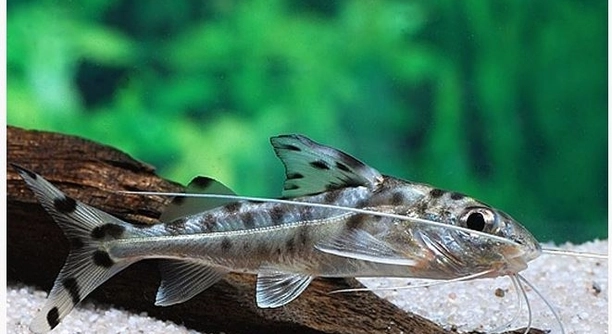
Is your Pictus catfish spending less time near the filter area than usual? Many fish owners notice this behavior and wonder what might be causing it. Understanding the reasons behind this can help improve your fish’s environment.
Pictus catfish may avoid the filter area due to strong water currents, poor water quality, or lack of hiding spots nearby. These factors can cause stress or discomfort, leading the fish to seek calmer, safer places within the tank.
Knowing why your Pictus catfish behaves this way will help you create a more comfortable and healthy tank environment for your aquatic friend.
Why Pictus Catfish Avoid Strong Currents Near the Filter
Pictus catfish prefer calmer waters, so the strong flow near the filter can be overwhelming. These fish are used to gentle currents in their natural habitats, like slow-moving rivers. When the filter creates a strong current, the fish may feel stressed or tired trying to swim against it. This makes them avoid the area altogether. The constant force can also disrupt their ability to rest or search for food nearby. Additionally, if the filter output is not directed properly, it can create turbulence that makes the tank environment uncomfortable. Adjusting the flow or adding decorations to break the current can help make the filter area more appealing. Sometimes, adding plants or hiding spots near the filter lets the catfish feel secure despite the flow. Observing how your Pictus moves in relation to the water flow will give you clues on how to adjust the tank setup to suit their needs better.
Filters with high water flow can cause Pictus catfish to avoid certain tank areas due to discomfort from the strong currents.
Finding ways to reduce the filter’s current or adding sheltered spaces around it can encourage your catfish to explore that area more. Experiment with flow rates and tank decorations to create a comfortable environment that matches their natural preferences.
Impact of Water Quality on Pictus Catfish Behavior
Poor water quality can make your Pictus catfish avoid the filter area if the water there is less clean. Filters are supposed to improve water conditions, but sometimes the area around the filter can accumulate debris or cause uneven water parameters. If ammonia, nitrite, or nitrate levels rise, fish will naturally stay away from spots that feel harmful. Also, rapid changes in temperature or pH near the filter output can stress them. Testing water quality regularly is important to keep the environment safe for your catfish. Proper maintenance of the filter, including cleaning and replacing media as needed, ensures the water stays clear and healthy. If water quality is stable, the catfish will be more confident swimming throughout the tank, including near the filter. Remember that good water quality supports their immune system and overall well-being, reducing chances of illness and odd behavior.
Clean, well-maintained filters help maintain water quality and encourage your Pictus catfish to swim freely in all areas of the tank.
Making sure water quality is balanced will make your catfish feel safer and more relaxed near the filter and elsewhere in the aquarium. Regular testing and upkeep go a long way in achieving this.
Lack of Hiding Spots Near the Filter
Pictus catfish need places to hide to feel secure. If the filter area is open and exposed, they may avoid it. Without shelters like plants, rocks, or decorations, the fish will look for safer spots elsewhere in the tank.
Providing adequate hiding spots near the filter helps reduce stress. Catfish are nocturnal and shy, so they rely on cover during the day. Adding caves, driftwood, or dense plants near the filter softens the environment. This makes the area less intimidating and more inviting. The fish can rest or hide without being pushed by strong currents. Over time, they might start using the filter area more often once they feel safe.
Hiding spots also mimic the natural habitat of Pictus catfish. In the wild, they shelter under roots and rocks to avoid predators and rest comfortably. Creating a similar setup in your tank will encourage natural behavior and improve your fish’s overall well-being. This attention to their needs can reduce avoidance of the filter zone and help them feel at ease throughout the aquarium.
Stress from Tank Mates and Environment
Stress from aggressive or overly active tank mates can drive Pictus catfish away from certain areas, including near the filter. They tend to avoid confrontation and prefer quieter zones. Stress impacts their health and behavior significantly.
If your tank has larger or territorial fish, your Pictus may feel threatened and keep away from exposed places like the filter area. Even frequent disturbances or overcrowding create a stressful environment. Stress weakens the immune system, making the fish prone to disease. Watching how different species interact helps you manage tank dynamics. Providing plenty of space, separate hiding spots, and calm neighbors will reduce stress. Proper tank size and decor are also important for minimizing conflicts and giving each fish a territory. Keeping a peaceful environment encourages your Pictus catfish to explore more freely and feel less need to avoid parts of the tank.
Lighting Around the Filter Area
Bright lighting near the filter can make Pictus catfish uncomfortable. These fish prefer dim or shaded spots where they can feel hidden and safe.
If the filter area is well-lit, the catfish may avoid it to escape harsh light exposure.
Filter Noise and Vibration
Noise and vibrations from the filter can disturb Pictus catfish. Loud or constant sounds stress them and push them away from the filter zone. Adjusting or upgrading to a quieter filter can improve their comfort and encourage more natural behavior near that area.
Temperature Fluctuations Near the Filter
Filters can cause slight temperature changes in the nearby water, especially if they heat or cool water unevenly. Pictus catfish avoid areas where the temperature feels unstable or uncomfortable.
Water Flow Direction Adjustment
Changing the filter’s flow direction can reduce strong currents. This simple adjustment helps create calmer spots that Pictus catfish will feel more comfortable exploring and resting in.
FAQ
Why does my Pictus catfish hide most of the time?
Pictus catfish are naturally shy and nocturnal. They feel safer when they have places to hide and prefer dim lighting. If they hide a lot, it usually means they are stressed or uncomfortable. Check water quality, tank mates, and decorations to make sure their environment feels safe.
Can strong water flow harm my Pictus catfish?
Yes, strong currents can tire out your catfish and cause stress. Pictus catfish prefer gentle water flow that mimics slow-moving rivers. If the filter flow is too strong, they will avoid that area and may swim less overall. Adjusting the filter to reduce flow can improve their comfort.
Is it normal for Pictus catfish to avoid the filter area?
It can be normal if the filter area is noisy, brightly lit, or has strong currents. Many Pictus catfish prefer quieter, calmer parts of the tank. Creating hiding spots and reducing flow near the filter encourages them to explore that area more often.
How often should I clean the filter to keep my Pictus catfish healthy?
Cleaning the filter every 3 to 4 weeks is generally recommended. Regular maintenance prevents buildup of waste and harmful chemicals like ammonia. A clean filter ensures better water quality, which helps your catfish feel comfortable and reduces avoidance behavior.
Can tank mates affect my Pictus catfish’s behavior near the filter?
Yes, aggressive or overly active tank mates can scare your catfish away from certain areas. Pictus catfish prefer peaceful companions and enough space to swim without stress. If other fish chase or crowd them near the filter, the catfish will avoid that zone.
What plants or decorations work best near the filter for Pictus catfish?
Dense plants like Java fern, Anubias, or floating plants create shaded hiding spots near the filter. Driftwood and rock caves also offer good shelter. These decorations break the current and provide safe spaces, making the filter area more inviting for your catfish.
Does water temperature affect where my Pictus catfish swims?
Yes, Pictus catfish prefer temperatures between 74°F and 79°F (23°C to 26°C). If the filter causes uneven temperature spots, the fish may avoid that area. Maintaining a stable and suitable temperature throughout the tank encourages them to explore all zones comfortably.
How can I reduce noise and vibration from my filter?
Use a quieter filter model or add sponge covers to dampen vibrations. Placing the filter on a soft surface can also reduce noise. Regular maintenance prevents clogging that can make filters louder. Less noise creates a calm environment that Pictus catfish prefer.
Why does my Pictus catfish suddenly stop visiting the filter area?
Sudden changes often point to stress, water quality issues, or stronger currents near the filter. It’s important to test the water for toxins and check the filter’s flow. Small adjustments in the tank setup can help your catfish feel safe again near the filter.
Can adjusting the filter flow help my Pictus catfish be more active?
Yes, reducing the flow or redirecting it away from resting spots makes swimming easier for your catfish. Calm water encourages more movement and exploration. Simple changes like attaching a spray bar or placing plants can soften the current near the filter.
What signs show that my Pictus catfish is stressed?
Signs include hiding more than usual, loss of appetite, erratic swimming, or staying in one spot for long periods. Stress can come from poor water conditions, strong currents, or aggressive tank mates. Addressing these causes will improve your catfish’s behavior.
Is it okay to leave the filter flow as is if my catfish avoids the area?
It’s best to adjust the filter if your catfish avoids the area consistently. Strong flow or noise may harm their health over time. Creating a gentle current and adding hiding places near the filter supports their natural behavior and well-being.
How can I tell if my tank’s water quality is affecting my Pictus catfish?
Cloudy water, unusual smells, or frequent fish hiding can indicate poor water quality. Regular testing for ammonia, nitrites, and nitrates helps monitor tank health. Improving filtration and doing partial water changes reduce harmful chemicals and improve your catfish’s comfort.
Are there specific filter types better suited for tanks with Pictus catfish?
Canister filters and sponge filters tend to provide gentle water flow and good filtration, making them suitable for Pictus catfish tanks. These filters create less current and noise compared to power filters, helping the fish feel secure and encouraging normal swimming patterns.
What should I do if my Pictus catfish never uses the filter area despite adjustments?
If your catfish still avoids the filter area, it might simply prefer other parts of the tank. Focus on ensuring the whole tank is comfortable, with good water quality, hiding spots, and calm neighbors. Accepting some fish habits can help you create the best overall environment.
When your Pictus catfish avoids the filter area, it usually signals something about their comfort or environment. These fish are sensitive to factors like strong currents, bright lights, noise, and lack of hiding places. Understanding these needs helps create a better tank setup. Making small changes such as adjusting the filter flow, adding plants or decorations, and maintaining good water quality can make a big difference. It’s important to remember that your catfish is reacting to its surroundings, not acting out without reason.
Creating a calm and balanced tank environment supports the natural behavior of Pictus catfish. They need places to feel safe and water conditions that do not stress them. Avoiding the filter area is often their way of staying away from discomfort or danger. Keeping the tank peaceful, clean, and well-planted can encourage your catfish to explore more freely, including near the filter. Regular water testing and filter maintenance also play key roles in their well-being. These steps ensure the water remains healthy and stable, helping your catfish feel secure.
Every fish is different, and some Pictus catfish might be more shy or sensitive than others. Patience is important when making changes to your aquarium. Observe how your fish responds and adjust accordingly. Over time, as your catfish grows more comfortable, it may start spending more time near the filter area. Focus on meeting their needs and creating a safe space for them. This will help your Pictus catfish live a healthier and happier life in your care.

Hello,
If you enjoy the content that we create, please consider saying a "Thank You!" by leaving a tip.
Every little bit helps us continue crafting quality advice that supports the health, happiness, and well-being of pets around the world, for pets of all shapes, sizes, and species.
We really appreciate the kindness and support that you show us!