
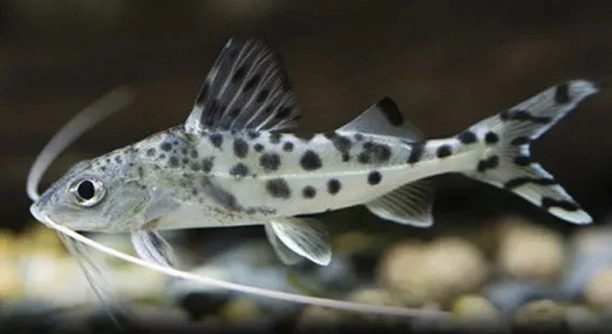
Is your Pictus Catfish acting calm and swimming with ease around the tank, showing off its sleek movements and curious nature?
A Pictus Catfish that feels safe will display relaxed swimming behavior, eat regularly, hide in familiar spots, and interact naturally with its surroundings. These behaviors are reliable indicators of comfort and reduced stress in a captive environment.
Learning how to spot these subtle signs can help you create a peaceful, healthy habitat for your catfish and keep it thriving.
Your Catfish Is Active and Explorative
A safe and comfortable Pictus Catfish will often swim around the tank with ease. This kind of movement means it feels confident and is not hiding from threats. These catfish are naturally energetic, especially during the evening. If your fish is actively exploring the tank, swimming near the substrate, and weaving through decorations or plants, it’s likely feeling secure. On the other hand, a fish that is constantly hiding or staying still for long periods may be stressed. Normal activity doesn’t mean constant motion, but you should notice a general rhythm of movement, especially when the lights are dim. They may even come out more if they recognize your presence, showing a small level of trust. Make sure to provide enough space and hiding spots in the tank to keep them stimulated but not overwhelmed. Consistent, relaxed activity is a strong sign your Pictus Catfish is comfortable in its environment.
A catfish that explores calmly and regularly is showing it feels safe. It will use the entire tank, not just one corner.
Creating a safe space with low lighting, hiding spots, and soft substrate supports natural behavior. When your Pictus Catfish feels secure, it becomes more expressive. Over time, it will swim more openly and rest with ease. This confidence comes from a stable tank environment.
It Eats Without Hesitation
A healthy, secure Pictus Catfish will eat regularly. Appetite loss is often a first sign of stress or discomfort.
If your Pictus Catfish eats every time you feed it, that’s a good sign it feels safe. These catfish enjoy small meaty foods like bloodworms, sinking pellets, and brine shrimp. A catfish that eats quickly and without hiding afterward is showing confidence in its environment. If it swims out, grabs food, and continues swimming calmly afterward, that’s a sign it doesn’t feel threatened. However, sudden refusal to eat may be a sign of water issues, illness, or tank aggression. Watch for changes in feeding behavior. Consistency in appetite usually means the tank conditions are right—stable water parameters, a peaceful setup, and a predictable feeding routine. If your catfish appears to wait by its feeding area or reacts positively when food enters the tank, it’s another clue it feels comfortable in its space. A stress-free fish will associate feeding time with safety, not fear.
It Rests Comfortably in Its Hiding Spots
When a Pictus Catfish feels safe, it will rest inside caves, behind decorations, or under driftwood without appearing startled or anxious. Calm, still resting shows the fish trusts its surroundings and doesn’t feel threatened by outside movement.
Resting is normal for this species, especially during the day. You might see your catfish tucked into a dark corner, barely moving, yet still breathing steadily. This kind of behavior is a sign of ease, not illness. If it feels secure, it won’t dart away when someone walks by or when tank lights change. It stays tucked away, using the hiding spot as a calm place rather than a hiding place for fear. If it quickly swims out and back in with no signs of panic, that’s another signal of comfort. Watching these patterns daily helps you understand what normal, safe resting looks like for your catfish.
Unsafe catfish often avoid resting or remain overly alert even when hidden. They may tremble slightly or bolt out of their hiding spots at any sign of motion. This behavior means something in their space feels off—maybe tank mates, noise, or unstable conditions. Providing quiet surroundings and shaded areas lets your fish truly rest without tension or fear. Safe resting matters.
It Doesn’t Dart or Panic When You Approach
Sudden swimming bursts or hiding at every movement near the tank often mean your catfish feels unsafe. When it stays calm and continues what it’s doing even as you approach, that’s a strong sign of comfort and trust.
A Pictus Catfish that feels secure won’t treat movement outside the tank like danger. Over time, it will learn your presence isn’t a threat. You may even notice it staying in view or coming forward slightly when you’re nearby. If your catfish has a consistent routine and doesn’t react strongly to noise or motion, it likely sees your presence as normal. This shows it feels at ease in its tank and trusts its space. However, if it darts and hides every time someone walks by, that might mean the tank needs more coverage, lower lighting, or fewer disturbances. Calmer behavior means your fish feels safe and isn’t living in a constant state of alert.
It Swims With a Smooth, Steady Rhythm
A relaxed Pictus Catfish moves through the water in smooth, flowing motions. Its swimming is steady, not jerky or frantic. Quick, erratic swimming usually signals stress or discomfort, especially if it happens near the glass or surface.
Watch for even fin movement and gentle gliding across the tank. Your catfish may follow a regular route or swim around plants and rocks calmly. When it feels safe, its body language stays balanced and unhurried, without frequent hiding or crashing into tank walls.
It Reacts Normally to Light Changes
When a Pictus Catfish feels safe, sudden light changes won’t cause it to panic. It might adjust its position or retreat calmly to a shadowed area. A fearful fish will dart, slam into objects, or try to hide too quickly. Gradual dimming is always best to support a sense of safety.
It Shows Interest in Its Tankmates
If your catfish is comfortable, it may swim near other peaceful fish without hiding or showing signs of aggression. It will observe or pass by them smoothly, keeping its usual rhythm without trying to dominate or escape.
FAQ
How can I tell if my Pictus Catfish is stressed?
Stress in Pictus Catfish often shows through unusual behaviors like hiding constantly, refusing food, rapid or erratic swimming, and rubbing against tank surfaces. They may also lose their usual smooth movements and appear lethargic or overly skittish. Watch for sudden changes in appetite or aggression toward tankmates. Water quality problems and aggressive tankmates are common causes of stress. Consistently monitoring their behavior and tank conditions helps spot stress early.
What kind of tank setup makes a Pictus Catfish feel safe?
A tank with plenty of hiding places, such as caves, driftwood, and plants, helps Pictus Catfish feel secure. They prefer dimmer lighting and a soft substrate like sand to protect their barbels. Stable water conditions with temperatures between 72-79°F (22-26°C) and clean water support their well-being. Avoid overcrowding and aggressive fish to reduce stress. Maintaining a quiet environment and gentle water flow also adds to their comfort.
How often should I feed my Pictus Catfish?
Feeding once or twice daily with a diet of sinking pellets, bloodworms, and other meaty foods is ideal. Overfeeding can pollute the tank and cause health problems, while underfeeding affects their energy and behavior. Observe your catfish’s appetite and adjust feeding amounts accordingly. A regular feeding routine helps them feel safe and expect food without stress.
What signs show my Pictus Catfish is healthy?
Healthy Pictus Catfish have bright eyes, smooth scales, and clean barbels without fraying. They swim actively and display natural behaviors like exploring and resting calmly. A good appetite and steady breathing are important signs. No visible wounds, spots, or unusual growths should appear on their body. If your catfish shows these signs consistently, it’s likely in good health.
Can Pictus Catfish live with other fish?
Yes, they do well with peaceful, similarly sized fish. Avoid aggressive or territorial species that might stress them out. They enjoy community tanks with calm tankmates like tetras, danios, or Corydoras catfish. Make sure there’s enough space and hiding spots for everyone. Watching how your fish interact will help you know if your catfish feels safe with its neighbors.
What should I do if my catfish stops eating?
First, check water parameters and tank conditions—poor water quality is a common cause. Next, consider whether new tankmates or recent changes might stress your fish. Try offering different foods like frozen or live bloodworms to encourage eating. If the problem continues for several days, consult an aquatic veterinarian as illness could be involved.
How often should I clean the tank for my Pictus Catfish?
Regular partial water changes of about 20-30% weekly keep water clean without shocking the fish. Cleaning the substrate and removing uneaten food helps prevent toxins. Avoid full tank cleanings too often, as they disturb beneficial bacteria and stress your catfish. Maintaining good filtration and stable conditions supports their sense of safety and health.
Do Pictus Catfish prefer night or day activity?
They are more active during low light or nighttime, as they naturally avoid bright, open areas. Providing a dim tank environment or shaded spots encourages natural behavior. During the day, they often rest in hiding places and become more active as light fades. Mimicking their natural lighting cycle helps them feel secure and comfortable.
Taking good care of your Pictus Catfish means paying attention to how it acts and behaves in its tank. When your catfish feels safe, you will notice it swimming smoothly, eating regularly, and resting calmly in its hiding spots. These signs show that your fish trusts its environment and is comfortable with its surroundings. Creating a stable and peaceful tank with proper hiding places, clean water, and gentle lighting helps your catfish feel secure. Watching your fish daily lets you learn its normal habits and quickly spot any changes that could mean it is stressed or unhappy.
It is important to remember that Pictus Catfish, like all fish, rely on their environment to stay healthy and stress-free. Keeping the water clean and at the right temperature supports their well-being. Providing a balanced diet with suitable food encourages a good appetite and energy. Avoiding overcrowding and aggressive tankmates also reduces stress and lets your catfish act naturally. When you see your catfish swimming calmly, interacting peacefully with other fish, and showing no signs of fear, you know it feels safe. Small steps in tank care can make a big difference in your fish’s happiness.
In the end, a safe Pictus Catfish is a healthy one. Their behavior reflects how comfortable they are in their home. By giving them the right conditions and watching closely, you can help your catfish thrive. Taking time to understand their needs shows respect for their nature and helps build a quiet, calm environment where they can live well. This care not only benefits your catfish but also creates a more enjoyable and peaceful tank for you to watch and appreciate.

Hello,
If you enjoy the content that we create, please consider saying a "Thank You!" by leaving a tip.
Every little bit helps us continue crafting quality advice that supports the health, happiness, and well-being of pets around the world, for pets of all shapes, sizes, and species.
We really appreciate the kindness and support that you show us!