
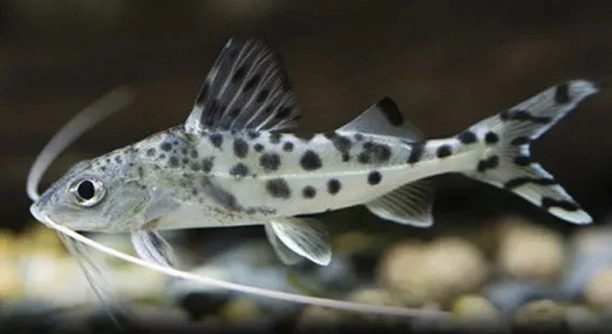
Is your Pictus catfish spending more time hiding than exploring, or seeming less active than it used to be?
The best way to improve life for a Pictus catfish is to focus on tank size, water quality, hiding spaces, diet, and proper tank mates. These factors support its health, behavior, and natural activity levels.
Small changes in the setup and daily care can lead to a more vibrant, engaged fish that thrives in its environment.
Give Them Enough Space
Pictus catfish are active swimmers that need plenty of room to move. Keeping them in a small tank can cause stress and limit their natural behavior. A 55-gallon tank is the minimum size recommended for a single Pictus catfish. If you plan to keep more than one, a larger tank is necessary. These fish are fast, curious, and constantly exploring, so horizontal space matters more than vertical depth. Crowded conditions can lead to aggression or illness, especially if hiding places are limited. The right tank size supports healthy development, reduces stress, and keeps their energy levels balanced throughout the day.
Small tanks make it harder to maintain clean water, and Pictus catfish are sensitive to poor conditions. A bigger tank also helps with this.
A spacious tank provides more than just room to swim. It allows for proper placement of decorations, hides, and plants without cramping their space. Movement becomes more natural, and they’re more likely to display their full range of behaviors. When they feel comfortable, they’re less likely to hide all day and more likely to come out and explore, especially during evening hours when they’re most active. Choosing the right tank size early on can prevent many common problems and lead to a healthier, more confident fish.
Maintain Clean and Stable Water
Pictus catfish are sensitive to shifts in water quality. Ammonia spikes, pH drops, or even high nitrates can affect their health and behavior.
A strong filter, regular water changes, and consistent testing are the best ways to keep the water safe. Aim to change about 25% of the water weekly. Use a gravel vacuum to remove waste, and always dechlorinate new water. A test kit helps you stay on top of ammonia, nitrites, nitrates, and pH. These fish prefer slightly acidic to neutral water (around 6.5 to 7.5 pH) and stable temperatures between 72–78°F. Avoid rapid changes in temperature or water chemistry, as this can stress them out. Dirty water not only causes stress but can also lead to infections or diseases that are harder to treat. Clean, stable water is one of the most important factors in keeping Pictus catfish healthy and active in the long term.
Add Plenty of Hiding Spots
Pictus catfish are shy by nature and need places to hide during the day. Without proper cover, they may become stressed or stay hidden all the time.
Use driftwood, rocks, PVC pipes, or aquarium-safe decorations to create hiding spots throughout the tank. These should be placed in different areas, not all in one section. Make sure each hiding place is big enough for the fish to fully enter but not so wide that it stops them from feeling secure. Spread them out to give multiple options. Having several hiding spots reduces competition if you keep more than one Pictus catfish. This setup mimics their natural environment and helps them feel safe, which encourages them to be more active during their preferred hours. When they know they have somewhere safe to retreat, they explore more freely and display more confident behavior overall.
Hiding spots also help reduce stress caused by bright lighting or nearby movement. These fish prefer dim lighting, so placing plants or decorations that block direct light can help. Live or artificial plants can add both shelter and visual cover. Over time, you’ll likely notice your Pictus catfish coming out more often if they feel they can retreat quickly. This balance of shelter and open space improves their comfort and health.
Choose Compatible Tank Mates
Pictus catfish are peaceful but can become territorial if housed with the wrong tank mates. Avoid slow-moving, long-finned fish or very small species that might trigger chasing behavior or end up as a snack.
Choose fish that are similar in size and activity level. Good options include larger tetras, barbs, rainbowfish, or peaceful cichlids. Avoid aggressive fish or those that may nip at the catfish’s whiskers. It’s also best to skip very small fish like neon tetras or guppies, especially in larger tanks where the Pictus catfish may hunt them. Keeping them in small groups can help spread out their energy and reduce skittishness. Always observe new additions closely during the first few days. Compatible tank mates help your Pictus catfish feel secure and active while keeping stress levels low. The right tank community supports natural behavior and helps avoid unnecessary health issues tied to social stress.
Feed a Proper Diet
Pictus catfish are omnivores, so they need a mix of protein and plant-based food. Use high-quality sinking pellets as a base and rotate in frozen or live foods like bloodworms or brine shrimp.
Avoid overfeeding, as leftover food can dirty the water. Feed them once or twice a day in small portions they can finish in a few minutes.
Keep Lighting Low
Pictus catfish are most active in low-light settings. Use dim lights or floating plants to help diffuse brightness in the tank. Bright lighting can make them hide more and become less active during the day.
Monitor Behavior Regularly
Watch for changes in swimming patterns, appetite, or hiding behavior. These can signal stress or illness. Noticing small changes early can help you fix problems before they get worse.
FAQ
How many Pictus catfish should be kept together?
Pictus catfish are social and often do better in groups of three or more, especially in large tanks. When kept alone, they may become more reclusive. However, keeping a group requires extra space, as each fish needs room to swim and places to hide. A tank of at least 100 gallons is best for small groups. In a group, they tend to explore more and behave more naturally. If you don’t have a large tank, it’s better to keep just one to avoid overcrowding.
Can Pictus catfish live with bottom-dwelling fish?
Yes, but it depends on the species. Some bottom dwellers like Corydoras or loaches may get along fine if there is enough room and hiding space. However, Pictus catfish can be territorial, especially in tight spaces, so avoid crowding the bottom of the tank. If you choose other bottom dwellers, make sure the tank is large, and provide multiple hiding spots to reduce competition. Keep an eye out for signs of stress or chasing. Every fish has a different temperament, and behavior can change as they settle in.
Do Pictus catfish eat small fish?
Yes, they may eat very small fish that can fit in their mouths. While they are not aggressive, they are opportunistic feeders. If kept with tiny fish like neon tetras or guppy fry, those smaller fish might disappear over time. This usually happens at night when the Pictus catfish are most active. To avoid this, only keep them with fish that are too large to be seen as food. Mid-size or fast-swimming fish are usually a safer choice in a mixed community tank.
What is the ideal temperature range for Pictus catfish?
Pictus catfish do best in temperatures between 72°F and 78°F. This range helps maintain their immune system and energy levels. Avoid rapid temperature changes, as this can cause stress and make them more likely to get sick. Use a reliable heater and thermometer to keep things steady. If the water is too cold, they may become sluggish or hide more often. If it’s too warm, oxygen levels can drop, which also causes problems. Keeping the temperature stable is one of the easiest ways to support long-term health.
How can I tell if my Pictus catfish is stressed?
Signs of stress include constant hiding, darting around the tank, loss of appetite, faded colors, or labored breathing. Sometimes they swim frantically along the glass or stop exploring altogether. Stress can come from poor water conditions, incompatible tank mates, or not enough hiding spaces. Check the water first, then look at tank setup and behavior of other fish. Addressing stress early can prevent illness and get your fish back to normal faster. Over time, you’ll learn what’s normal for your Pictus catfish and what signals a problem.
How long do Pictus catfish live?
With proper care, Pictus catfish can live around 8 to 10 years. Their lifespan depends on tank size, water quality, diet, and overall care. Frequent stress or poor conditions can shorten their life. They may seem hardy, but they need consistent care to thrive. A clean tank, stable temperature, and balanced food can make a big difference. While they grow quickly in their first year, they don’t outgrow poor setups. Taking the time to provide the right environment helps them live a full, healthy life.
Do Pictus catfish clean the tank?
Not really. While they may eat leftover food from the bottom, they are not true “cleaner” fish. They still produce waste like any other fish. Relying on them to clean the tank can lead to poor water quality. It’s better to feed responsibly and clean regularly. A good filter and weekly maintenance are more effective at keeping the tank clean than hoping your catfish will handle it. Think of them as active scavengers rather than cleaners—they help, but they don’t replace a cleaning routine.
Final Thoughts
Pictus catfish are active and curious fish that can make a tank feel more alive. They are not difficult to care for, but they do need the right setup to stay healthy and happy. A large enough tank, proper filtration, clean water, and low lighting are some of the most important things to get right. These fish also need a varied diet, safe tank mates, and places to hide. If even one of these things is missing, it can affect their behavior and health. Taking the time to meet their basic needs can prevent many common problems. When cared for properly, they become more social and active, especially in the evening when they naturally explore more.
Watching your Pictus catfish swim around the tank, dart through hiding spots, and interact with the environment is rewarding. It shows that they feel safe and well-adjusted in their space. They’re not just there to look pretty—they respond to changes in their surroundings and benefit from a setup that supports their natural behavior. Regular care and observation go a long way. You’ll start to notice patterns in how they act and learn what’s normal for them. When something seems off, you’ll be more prepared to fix it. This kind of attention helps catch problems early, whether it’s water quality, illness, or stress.
Improving life for your Pictus catfish doesn’t always mean major changes. Sometimes it’s as simple as adding more hiding spots, feeding a better diet, or making sure the water stays clean and steady. These small adjustments can lead to noticeable improvements in your fish’s health and mood. Over time, they’ll reward you with more confident behavior, longer life, and a stronger presence in the tank. Whether you’re just getting started or trying to improve your current setup, small steps can make a big difference. Your effort creates a stable and safe home—something every fish, including the Pictus catfish, truly needs.

Hello,
If you enjoy the content that we create, please consider saying a "Thank You!" by leaving a tip.
Every little bit helps us continue crafting quality advice that supports the health, happiness, and well-being of pets around the world, for pets of all shapes, sizes, and species.
We really appreciate the kindness and support that you show us!