
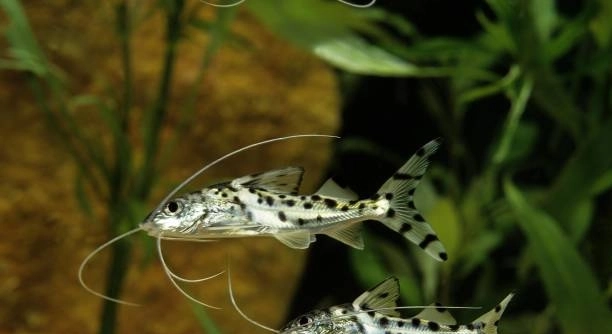
Do you ever find yourself wondering if your Pictus Catfish can safely share a tank with other bottom dwellers like Plecos? It’s a common concern for fish keepers trying to create a peaceful aquarium environment.
Pictus Catfish and Plecos can be kept together if the tank is large enough and provides plenty of hiding spots, with compatible species and sizes. However, monitoring behavior and maintaining excellent water quality are essential for long-term success.
Tank size, temperament, and habitat setup all play a big role in keeping both species healthy and stress-free in a shared space.
Temperament and Compatibility
Pictus Catfish are active, fast-swimming fish that prefer to stay near the bottom of the tank. They are generally peaceful but can become territorial, especially in small or crowded tanks. Plecos, depending on the species, are mostly calm and slow-moving. However, larger or more aggressive types may become territorial as well. Both fish tend to be nocturnal, which means they’ll likely cross paths during the same hours. If space is limited, this can lead to stress or small skirmishes over hiding spots. Choosing compatible Pleco species, such as Bristlenose or Rubber Lip Plecos, is important. Avoid larger and more aggressive types like the Common Pleco. Additionally, providing plenty of hiding spaces with driftwood, caves, or plants helps reduce direct contact between the two. This gives each fish room to establish its own territory, leading to fewer conflicts. Good compatibility comes down to tank size, layout, and individual fish behavior.
Pictus Catfish are more active and social than Plecos, which can create imbalance in a small or crowded tank. Space helps prevent issues.
Plecos produce a lot of waste, which can affect water quality quickly. This is important when keeping them with sensitive fish like the Pictus Catfish. A strong filter and regular water changes are necessary. Both fish need stable water parameters, and a dirty tank can lead to stress or illness. Monitoring ammonia and nitrate levels is key, especially if you have a larger Pleco species. Make sure both species are being fed appropriately. Pictus Catfish prefer a high-protein diet, while most Plecos need more plant-based food. Uneaten food can create mess and reduce water quality even more. Avoid letting them fight over food by feeding after lights are off, when they are both more active. Good filtration, proper diet, and consistent cleaning are the best ways to maintain balance when housing these two bottom dwellers together.
Tank Size and Setup
Smaller tanks can lead to constant tension between these two species. A large tank gives them space to avoid one another.
For a Pictus Catfish and a Pleco to share a tank comfortably, a minimum of 75 gallons is recommended. This gives enough swimming room for the Pictus and surface area for the Pleco to graze. Add plenty of hiding spots using driftwood, rocks, and caves. Both species love low lighting, so floating plants or dim lighting can help them feel secure. Include smooth gravel or sand substrate to avoid injury to the Pictus Catfish’s sensitive barbels. Avoid sharp decorations. Make sure your filter is strong enough to handle the bioload, especially from Plecos. High oxygenation and stable temperatures between 74–80°F will keep both fish healthy. Try to create separate spaces in the tank, so each fish can have its own area. The more you mimic their natural environment, the easier it will be to manage aggression and stress between the two species.
Feeding and Diet
Pictus Catfish are carnivorous, while most Plecos are herbivores or omnivores. Feeding them the same food won’t meet their individual needs and can lead to health issues over time. Separate diets help both species stay healthy and active.
Pictus Catfish prefer a protein-rich diet that includes sinking pellets, bloodworms, brine shrimp, and other meaty foods. They are fast eaters, often finishing food before the slower Pleco even notices. Plecos need more plant matter in their diet, such as algae wafers, blanched zucchini, or cucumber slices. Some types also require driftwood to help with digestion. Feeding both species after lights are off can help since they’re more active at night. Drop food in separate areas to prevent competition. Always remove uneaten food after a few hours to avoid water quality problems. Consistent feeding routines keep both fish from becoming stressed or aggressive.
Overfeeding is a common problem when keeping these two species together. Pictus Catfish can quickly eat too much, leading to bloating or other health issues. Uneaten Pleco food can also rot and pollute the tank. Feed only what they can eat in a short time. Use a mix of sinking pellets and fresh veggies for the Pleco and offer small meaty portions for the Pictus. Having a feeding stick or placing food directly near hiding spots can help ensure both fish get what they need. Observing their feeding habits helps you adjust portions and avoid waste.
Behavior to Watch For
Keep an eye out for territorial behavior, especially near caves or hiding places. Scratches, missing barbels, or torn fins can be early signs of trouble between the two fish.
Even though both fish are generally peaceful, conflicts can still happen, especially in smaller tanks or when there aren’t enough hiding spots. Pictus Catfish are more active and may bother a resting Pleco. On the other hand, larger Plecos may become aggressive if they feel their territory is being invaded. Nighttime is when most interactions occur, so observing their behavior after dark is helpful. If you notice one fish always hiding, skipping meals, or becoming aggressive, it may be a sign the tank setup isn’t working. Rearranging the layout or adding more decorations can help reduce tension. In serious cases, separating the fish may be the best option to protect their health and reduce stress.
Common Mistakes to Avoid
Many people underestimate how large both fish can grow. Pictus Catfish can reach around 5 inches, while some Plecos grow over 12 inches. Housing them in a small tank causes stress, aggression, and poor water conditions over time.
Another common mistake is using sharp decorations. Pictus Catfish have sensitive barbels that can easily get damaged, especially on rough rocks or gravel. Plecos may also scrape their bodies against rough surfaces. Stick to smooth materials and soft substrate to prevent injury.
Quarantine and New Additions
Always quarantine new fish before adding them to a tank with Pictus Catfish and Plecos. This reduces the risk of introducing parasites or infections. A separate tank lets you observe for signs of illness and gives the new fish time to adjust. This also prevents aggressive reactions from established fish. When ready, rearranging decorations in the main tank can help reduce territorial behavior by removing familiar landmarks. Introduce the new fish at night, when activity is lower. Keep the lights dim and monitor closely for the next few days to make sure all fish are eating and showing normal behavior.
Final Thoughts on Compatibility
With the right setup and care, Pictus Catfish and Plecos can share a tank peacefully. It just takes attention to space, feeding, and behavior.
FAQ
Can Pictus Catfish and Plecos live together in a 55-gallon tank?
A 55-gallon tank is usually too small for both species long-term. Pictus Catfish are very active and need room to swim. Many Plecos grow quite large and produce a lot of waste. While juveniles might manage temporarily, cramped space can cause stress, aggression, and poor water quality as the fish grow. If you plan to keep them together, a tank of at least 75 gallons is a safer option. This allows enough room for both fish to establish their own space without constant contact or competition for hiding spots.
Do Pictus Catfish eat Plecos?
Pictus Catfish are not likely to eat adult Plecos, especially if the Pleco is larger or around the same size. However, Pictus Catfish may try to eat very small Plecos or juveniles if they can fit them in their mouth. These catfish are opportunistic and will go after anything that seems like food. It’s best to only house them with Plecos that are big enough not to be mistaken for food. Keeping a close eye on their behavior in the beginning can help prevent unwanted problems.
Are there any Pleco types that should not be kept with Pictus Catfish?
Common Plecos grow very large and can become territorial, especially in tanks that are too small. This can lead to aggression toward tank mates, including Pictus Catfish. Sailfin Plecos are also best avoided unless you have a very large tank. Stick to smaller, more peaceful Plecos like the Bristlenose, Rubber Lip, or Clown Pleco. These types are easier to manage in shared tanks, and they tend to keep to themselves. Always check the adult size of any Pleco before choosing it as a tank mate for your Pictus Catfish.
How can I tell if my Pictus Catfish is stressed?
Signs of stress include hiding constantly, losing color, erratic swimming, refusing food, or showing signs of injury like frayed fins or missing barbels. Stressed Pictus Catfish may also become more aggressive or more withdrawn. Poor water quality, lack of space, or bullying from other fish can all cause stress. Make sure your tank is large enough, clean, and well-decorated with hiding spots. Keep a close eye on how your fish behave after changes in the tank, like adding a new fish or changing the layout.
Do Pictus Catfish and Plecos compete for food?
Yes, they can, especially if food isn’t placed properly. Pictus Catfish are fast and will eat quickly, sometimes leaving nothing behind for the Pleco. Plecos are slower and prefer to eat in quieter spots, often at night. To avoid competition, feed both fish after lights are out and place food in separate areas. Use a mix of sinking protein-based foods for the Pictus and plant-based options like algae wafers or veggies for the Pleco. Watching their feeding behavior helps you make changes if one is missing meals.
Can I keep more than one Pictus Catfish with a Pleco?
Yes, but only if your tank is big enough. Pictus Catfish are social and usually do better in small groups, but they need space to avoid fighting. Adding more Pictus means more activity, which can bother a Pleco if the tank is too small or lacks hiding spaces. A tank of at least 90 gallons is recommended if you want multiple Pictus with a Pleco. Make sure the tank is well-decorated with plenty of cover and territories for each fish. Keep a close eye on their behavior in the first few weeks.
What is the ideal water temperature and pH for both species?
Both Pictus Catfish and most Plecos prefer warm, stable water. The ideal temperature range is between 74°F and 80°F. They do best with a pH between 6.5 and 7.5. Sudden changes in temperature or pH can cause stress or illness. Use a reliable heater and thermometer to maintain steady conditions. Test your water regularly using a freshwater test kit, especially if you’re feeding high-protein or fresh vegetables, which can impact water quality. Consistency is key to keeping both species healthy and active in a shared tank.
Final Thoughts
Keeping Pictus Catfish and Plecos in the same tank is possible, but it takes planning and care. Both species live near the bottom of the tank and are most active at night. This means they will often cross paths, especially in a smaller space. Giving them enough room to spread out is one of the most important things you can do. A larger tank not only helps reduce stress but also gives each fish its own territory. If they don’t feel crowded, they are less likely to bother each other or compete for food and hiding spots.
Feeding can be another challenge, but it’s manageable with the right approach. Pictus Catfish eat fast and love protein-rich food, while Plecos are slower and usually need more plant matter. If you only feed one type of food, one fish will likely miss out on key nutrients. To avoid problems, use a feeding routine that fits both species. Feed at night, when both fish are active, and place food in different areas of the tank. Watching how they eat and adjusting the routine as needed helps make sure both fish get what they need without fighting over it.
Water quality, hiding spots, and proper tank setup also make a big difference. Both Pictus Catfish and Plecos are sensitive to poor water conditions, so it’s important to keep the tank clean. A good filter, regular water changes, and testing the water often are all part of this. Also, use smooth decorations and soft substrate to avoid injuries. Each fish should have its own place to hide, whether it’s a cave, driftwood, or thick plants. If either fish starts acting different—hiding more, skipping meals, or becoming aggressive—it might be a sign that something needs to be changed. With the right care and attention, these two types of fish can live together peacefully.

Hello,
If you enjoy the content that we create, please consider saying a "Thank You!" by leaving a tip.
Every little bit helps us continue crafting quality advice that supports the health, happiness, and well-being of pets around the world, for pets of all shapes, sizes, and species.
We really appreciate the kindness and support that you show us!