
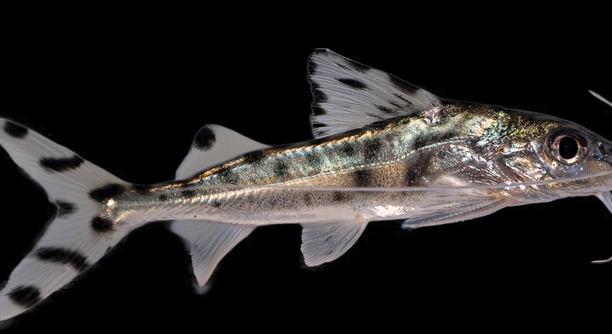
Are you setting up a home for your pictus catfish and wondering if sand might work as a suitable substrate? Choosing the right base for their tank can play a big role in their health and comfort.
Sand can be used as a substrate for pictus catfish, as it closely mimics their natural habitat. It is gentle on their sensitive barbels, reduces the risk of injury, and allows them to engage in their natural digging behavior without harm.
Understanding how sand compares to other substrates can help you create a cleaner, safer, and more enriching environment for your fish.
Why Sand Is a Good Option for Pictus Catfish
Sand is one of the best choices for pictus catfish because it supports their natural behavior. In the wild, they sift through soft substrates to search for food. A sand base allows them to do this without damaging their delicate barbels. Gravel or sharp-edged stones can lead to cuts and infections, which may cause long-term problems. Sand is smooth and gentle, reducing those risks significantly. It also provides a clean look for the tank and makes waste more visible, helping you keep the environment tidy. When paired with good filtration and regular maintenance, sand helps maintain healthy water quality. It doesn’t trap debris as easily as coarse materials, which often leads to ammonia buildup. For pictus catfish, who are very active and love to dig, this makes a noticeable difference in both health and behavior. Watching them interact with the sand is often a sign they’re comfortable and thriving.
Sand supports both comfort and hygiene, giving pictus catfish a surface that feels natural and safe.
Adding soft plants or hiding spots alongside the sand creates a well-rounded space for your fish. It gives them room to explore, hide, and rest. This encourages active behavior while supporting their need for low-stress surroundings.
Things to Watch Out for When Using Sand
Sand can compact over time, trapping gases that are harmful if released.
To avoid this, stir the sand gently during weekly maintenance to release any built-up pockets. You can also add Malaysian trumpet snails, which burrow and help prevent compaction naturally. Keeping the sand layer shallow—around one to two inches—is another helpful tip. Deeper layers tend to hold more waste and increase the risk of poor circulation. Also, choose fine-grain sand meant for aquariums. Play sand or construction sand may contain impurities or clump together, which can interfere with water quality. When cleaning, use a siphon to remove surface waste without disturbing the entire base. It’s important to monitor your filter as well, since fine particles can occasionally get pulled into the system. A sponge filter or pre-filter sponge over the intake helps reduce this risk. With these precautions in place, you can enjoy the benefits of a sand substrate while keeping your pictus catfish safe and healthy.
How to Prepare Sand for Your Pictus Catfish Tank
Rinse the sand thoroughly before adding it to your tank. This step removes dust and fine particles that can cloud the water or harm your filter. Use a bucket and repeat rinsing until the water runs mostly clear.
After rinsing, pour the sand slowly into the empty tank to avoid scratching the glass. Spread it evenly across the bottom, aiming for a depth of one to two inches. This allows your pictus catfish to dig comfortably without trapping debris underneath. If you’re adding sand to an already filled tank, use a plastic bag or container to lower the sand gently and reduce water cloudiness. Once the sand is in place, fill the tank slowly to avoid stirring it up. Let the filter run until the water clears, which can take several hours. Avoid over-cleaning the sand later—just vacuum the surface during water changes to remove waste.
Keep the filter intake protected to prevent sand from being sucked in. A sponge cover works well for this. Monitor the water clarity over the next day, and if it remains cloudy, do a small water change. Allow the tank to settle fully before adding your fish back in. This helps keep stress low and avoids unnecessary health problems.
Sand vs Other Substrates for Pictus Catfish
Gravel is less suitable for pictus catfish due to its rough texture and gaps where waste collects. It may injure their barbels or trap debris.
Aquarium sand is softer and easier to clean when used correctly. Compared to gravel, it gives pictus catfish a safer surface for foraging and exploring. Some fishkeepers consider bare-bottom tanks, but while these are easier to clean, they lack enrichment. Crushed coral or decorative pebbles should also be avoided, as they are rough and may alter water chemistry. Fine gravel can work if it’s smooth, but it doesn’t support digging behavior as well as sand. Soil substrates are mostly used in planted tanks and tend to cloud water, making them less ideal. In most cases, a simple fine-grain aquarium sand provides the best balance of safety, function, and appearance for pictus catfish.
Common Mistakes to Avoid with Sand Substrate
Using unwashed sand is one of the biggest mistakes. It can make the water cloudy and damage your filter. Always rinse it thoroughly before adding it to the tank to prevent long-term problems.
Adding too much sand can also cause issues. A deep layer traps debris and reduces water circulation, increasing the risk of harmful gas buildup.
Maintaining Sand in a Pictus Catfish Tank
Keep the sand clean by lightly vacuuming the surface during water changes. Avoid digging too deep to maintain the natural bacteria. Stir the sand weekly with a stick or gloved hand to prevent gas pockets from forming. Adding burrowing snails helps with this as well. Watch for cloudy water or bad smells, which can signal trapped waste or poor circulation. Protect your filter by placing a sponge over the intake tube so it doesn’t pull in fine sand. When done consistently, this maintenance routine supports healthy water conditions and helps keep your pictus catfish active, safe, and stress-free.
Final Thoughts on Using Sand
Sand supports the natural behavior of pictus catfish and offers a cleaner, gentler environment when maintained properly. It’s a smart choice that balances comfort and care.
FAQ
Can pictus catfish sift through sand safely?
Yes, pictus catfish can sift through sand safely as long as it’s fine and clean. Their barbels are sensitive and used for exploring, so sharp or rough substrates can injure them. Sand mimics their natural environment and encourages digging. It also allows them to search for food bits in a way that’s both natural and stress-free. If the sand is smooth and free of debris, they can interact with it daily without harm. Just make sure the sand isn’t too deep, as that can cause compacting and waste buildup over time.
How often should I clean the sand substrate?
You should clean the sand substrate every week during water changes. Use a siphon to remove surface debris without disturbing the entire layer. There’s no need to stir up the whole tank unless you suspect gas pockets. Gently stir the sand with a stick or gloved finger once a week to keep the substrate loose and oxygenated. If your tank includes burrowing snails or loaches, they’ll help turn the sand naturally. Keep an eye out for cloudy water, strong odors, or a drop in fish activity—these may be signs the sand needs more frequent care.
What type of sand is best for pictus catfish?
Aquarium-safe sand is best, especially fine-grain options made specifically for freshwater tanks. Avoid play sand or construction sand, which can contain impurities or compact too easily. Pool filter sand can work if it’s rinsed thoroughly and has a smooth texture. Always check that the sand doesn’t raise pH or hardness, as pictus catfish prefer soft, slightly acidic to neutral water. The smoother the grain, the safer it is for your fish’s barbels. You can even run a sample through your fingers—if it feels gritty or sharp, it’s not ideal for them.
Is sand better than gravel for pictus catfish?
Yes, sand is better than gravel for pictus catfish. Gravel often has rough edges that can damage their sensitive barbels, leading to infections or behavioral changes. It also traps debris more easily between the gaps, which can affect water quality. Sand allows for more natural digging behavior and presents less risk. While some smooth gravel types may seem safe, they rarely match the comfort and function of sand. If you’re focused on health and enrichment, sand remains the better choice. It also supports cleaner surfaces and helps you see uneaten food or waste more clearly.
Can I mix sand with other substrates?
Mixing sand with other substrates is possible but not usually recommended for pictus catfish. The lighter sand tends to sink below heavier materials, creating uneven layers and compacted spots. This can lead to waste buildup and trapped gases. If you want to use sand for aesthetic reasons, it’s best to keep it as the top layer or use it on its own. Mixed substrates also make cleaning harder and interfere with your fish’s ability to dig. For pictus catfish, a simple, uniform sand layer keeps things safer and easier to manage.
Do I need to replace the sand regularly?
No, you don’t need to replace the sand unless it becomes extremely dirty or starts affecting water quality. With regular cleaning and stirring, the same sand can last for years. Over time, you may need to top off areas where sand has shifted or been removed during cleaning. If you notice odors or discoloration that don’t go away after vacuuming and water changes, replacing a portion of the sand may help. Always rinse any new sand thoroughly before adding it. Complete replacements are rarely needed if the tank is maintained well.
Can sand affect water parameters?
Some types of sand can affect water parameters, especially those not made for aquariums. For example, aragonite sand or crushed coral-based sands can raise hardness and pH, which isn’t ideal for pictus catfish. Stick to inert sand labeled for freshwater aquariums, as it won’t alter your tank’s chemistry. Always test your water after adding any new substrate to make sure levels stay stable. If you notice pH changes or unusual readings, the substrate may be the cause. In most cases, aquarium sand designed for fish tanks is safe and doesn’t affect water balance.
Can I use plants with sand in a pictus catfish tank?
Yes, but choose hardy plants with strong root systems. Pictus catfish are active diggers and may uproot delicate plants. Use root tabs if needed and secure the plants well. Heavier decorations or rocks can help hold them in place. Java fern, anubias, and amazon swords are good options.
Final Thoughts
Using sand as a substrate for pictus catfish is a simple but important choice. It creates a soft and natural surface that supports their behavior. These fish like to dig, sift, and explore the bottom of the tank. Sand allows them to do this safely without injuring their delicate barbels. Unlike gravel, which can trap waste or cause cuts, sand offers a smoother texture and better surface for your fish. It’s also easier to spot leftover food or debris, helping you keep the tank cleaner. While it may take a little more care to maintain, sand gives your pictus catfish a safer and more comfortable space.
Choosing the right type of sand is also important. Fine-grain aquarium sand works best. It’s gentle, doesn’t affect water chemistry, and stays in place. Avoid construction sand or play sand, as they may contain harmful particles or compact too easily. Rinsing the sand before use is a key step. It prevents cloudy water and keeps your filter from getting damaged. When cleaning the tank, gently vacuum the surface and stir the sand weekly to avoid gas pockets. Simple tools like a sponge pre-filter on your intake tube can protect your equipment from fine sand grains. These small steps can make a big difference over time.
Sand works well in many tank setups, especially for species like pictus catfish that enjoy active bottom movement. With proper care, a sand substrate stays clean and functional for a long time. It also pairs well with hardy plants, snails, and other peaceful tank mates. When set up correctly, a sand-based tank not only looks good but also supports the health and comfort of your fish. There’s no need to overcomplicate it—choosing the right sand and keeping up with basic cleaning will help your pictus catfish stay healthy and active. It’s a simple way to improve their habitat and support their natural instincts.

Hello,
If you enjoy the content that we create, please consider saying a "Thank You!" by leaving a tip.
Every little bit helps us continue crafting quality advice that supports the health, happiness, and well-being of pets around the world, for pets of all shapes, sizes, and species.
We really appreciate the kindness and support that you show us!