
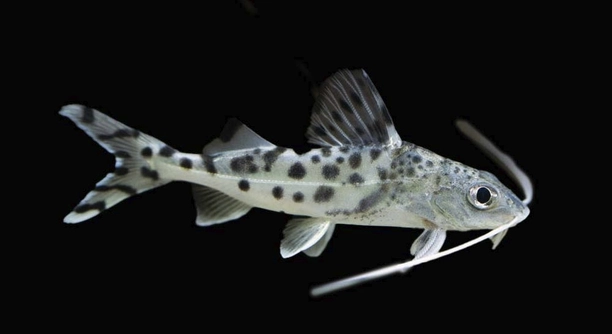
Is your Pictus catfish suddenly breathing fast and leaving you worried? Many fish owners notice this change and wonder what it means for their pet’s health. Understanding the reasons behind rapid breathing can help keep your fish safe and comfortable.
Rapid breathing in Pictus catfish is often a sign of stress, poor water quality, or low oxygen levels. These factors can cause discomfort and affect the fish’s ability to absorb oxygen efficiently. Addressing the tank environment usually resolves this issue.
Learning about the common causes of fast breathing can help you improve your catfish’s care. Small adjustments in tank maintenance can make a big difference in its wellbeing.
Common Causes of Fast Breathing in Pictus Catfish
Fast breathing in Pictus catfish is often linked to their environment. Poor water quality is one of the main reasons. When ammonia, nitrites, or nitrates build up, fish can struggle to breathe. Oxygen levels in the tank also play a big role. If there isn’t enough oxygen dissolved in the water, the fish will breathe faster to try to get enough air. Stress from overcrowding or sudden changes in temperature can increase breathing rate too. Sometimes, infections or parasites may cause breathing difficulties. It’s important to test the water regularly and keep it clean. Monitoring temperature and avoiding overcrowding will help maintain a healthy tank environment. Being aware of these factors will make it easier to keep your catfish comfortable and healthy.
Keeping the tank clean and well-oxygenated is key to preventing rapid breathing in your catfish. Regular water tests are essential.
Maintaining good water quality means regular water changes and proper filtration. Ammonia and nitrite should always be at zero, while nitrate levels need to stay low. Adding an air stone or improving water circulation can increase oxygen levels, helping your catfish breathe normally. Avoid overcrowding by giving each fish enough space to swim freely. Sudden temperature changes should be avoided as they stress the fish. If you notice fast breathing despite good water conditions, check for signs of illness like spots or unusual behavior. Quarantining new fish before adding them to the tank can prevent diseases. Keeping these factors in mind will improve your catfish’s overall health and comfort.
How to Help Your Pictus Catfish Breathe Easier
Simple changes in tank care often improve your catfish’s breathing quickly.
Improving water quality starts with consistent maintenance. Change 25% of the water weekly to remove waste and toxins. Use a water conditioner to make tap water safe. Clean the filter monthly, but avoid washing it with tap water to preserve beneficial bacteria. Add an air stone or increase water flow for better oxygen. Keep the tank temperature stable between 75-80°F (24-27°C), which suits Pictus catfish best. Avoid overcrowding by limiting the number of fish. Feeding a balanced diet also helps keep fish healthy. Watch your catfish after making these changes to see if breathing improves. If the problem continues, a vet’s advice may be necessary. These steps often lead to noticeable improvement in your catfish’s breathing and wellbeing.
Signs of Illness in Pictus Catfish
Rapid breathing can be a sign of illness in your Pictus catfish. Watch for other symptoms like lethargy, loss of appetite, or abnormal swimming patterns. Physical signs may include spots, redness, or clamped fins.
Illnesses such as bacterial infections, parasites, or fungal growths often cause breathing difficulties. If your catfish shows rapid breathing along with these symptoms, it likely needs treatment. Maintaining clean water can prevent many illnesses, but sometimes medication is necessary. Observing your fish closely helps catch problems early before they worsen. Prompt action can save your catfish and restore its health.
If you suspect illness, quarantine the affected fish to avoid spreading disease. Consult a vet or experienced aquarist for advice on treatment options. Early intervention improves chances of recovery.
Preventing Stress in Pictus Catfish
Stress causes rapid breathing and weakens your catfish’s immune system. Avoid overcrowding by giving your fish enough space to swim. Keep tank conditions stable and avoid sudden changes in temperature or lighting.
Regular water testing and maintenance reduce harmful toxins that stress fish. Provide hiding spots like plants or decorations to help your catfish feel secure. Feeding a balanced diet also supports health and resilience. Minimizing disturbances around the tank, such as loud noises or frequent tapping, will help keep your fish calm. Following these steps reduces stress and promotes steady, normal breathing in your Pictus catfish.
Oxygen Levels and Tank Size
Low oxygen levels cause fast breathing in Pictus catfish. Proper tank size helps maintain good oxygen circulation. Smaller tanks can limit oxygen, stressing your fish.
Increasing water movement with filters or air stones improves oxygen supply. Make sure your tank size matches the number of fish to avoid overcrowding.
Water Temperature and Its Effect
Water temperature directly affects your catfish’s breathing rate. Warmer water holds less oxygen, causing faster breathing. Keep the temperature stable between 75-80°F to reduce stress. Sudden temperature changes can shock the fish and increase their breathing rate. Use a reliable heater and thermometer to maintain a consistent temperature. Regularly check water temperature to ensure it stays within the ideal range. Proper temperature control helps keep your Pictus catfish calm and breathing normally.
When to Seek Professional Help
If fast breathing persists despite good care, consult a veterinarian experienced with fish. Early diagnosis and treatment are important.
FAQ
Why is my Pictus catfish breathing fast after a water change?
Fast breathing after a water change is usually caused by sudden changes in water parameters like temperature, pH, or oxygen levels. Even small shifts can stress your catfish, causing it to breathe quickly as it adjusts. To avoid this, make sure the new water matches the tank’s conditions closely before adding it. Adding water slowly also helps the fish acclimate without shock.
Can poor water quality alone cause rapid breathing?
Yes, poor water quality is a common reason for rapid breathing. High levels of ammonia, nitrites, or nitrates reduce oxygen availability and irritate the fish’s gills. This forces the catfish to breathe faster to get enough oxygen. Regular testing and water changes are essential to prevent this problem and keep the tank safe for your fish.
Is fast breathing a sign of disease in Pictus catfish?
Fast breathing can indicate disease but is not always the case. It often accompanies infections, parasites, or gill damage. If you notice other signs like lethargy, clamped fins, or spots on the body, illness is more likely. In such cases, treatment should be started promptly to improve the fish’s condition.
How can I increase oxygen in my fish tank?
You can increase oxygen by improving water movement. Using an air stone, adding a bubbler, or increasing filter flow helps oxygenate the water. Avoid overcrowding to ensure enough oxygen for all fish. Live plants can also boost oxygen but be aware they consume oxygen at night, so balance is important.
Can temperature fluctuations cause fast breathing?
Yes, temperature changes affect breathing rate. Warmer water holds less oxygen, so the fish breathes faster. Sudden drops or spikes in temperature stress the fish and increase breathing rate. Maintaining a stable temperature between 75-80°F is best for Pictus catfish health.
Should I isolate my catfish if it shows rapid breathing?
Isolation depends on the cause. If rapid breathing is due to illness or parasites, quarantining the fish prevents spreading to others. However, if the problem is environmental, improving tank conditions is more important. Observe your catfish closely and decide based on other symptoms.
Can diet affect my catfish’s breathing?
Diet rarely causes fast breathing directly, but poor nutrition weakens your fish’s immune system, making it more vulnerable to stress and illness. Feeding a balanced diet suited for Pictus catfish supports their health and helps them cope better with environmental changes.
How long does it take for a Pictus catfish to recover from stress-related fast breathing?
Recovery time varies but usually takes a few hours to a few days after fixing water quality or oxygen issues. Stress recovery is quicker if the tank conditions are stable and clean. Persistent rapid breathing beyond a week should be checked by a professional.
Can overcrowding cause my catfish to breathe fast?
Overcrowding reduces oxygen levels and increases waste, which leads to fast breathing. It also causes stress, making fish more sensitive to water changes. Ensuring enough space per fish helps maintain good water quality and reduces stress.
Are there natural ways to calm a stressed Pictus catfish?
Providing hiding spots like plants or decorations gives your catfish a place to feel safe. Keeping the tank in a quiet area away from vibrations and sudden movements also helps. Maintaining consistent water conditions is the best natural way to reduce stress and fast breathing.
Fast breathing in your Pictus catfish is a sign that something in its environment may need attention. Often, this behavior points to issues like poor water quality, low oxygen levels, or stress from overcrowding or sudden changes. Keeping your tank clean and well-maintained is the first step toward preventing this problem. Regular water testing, proper filtration, and adequate aeration help create a stable environment where your catfish can breathe easily and stay healthy.
It is also important to watch for any signs of illness when your catfish starts breathing fast. Symptoms like lethargy, loss of appetite, or unusual spots on the body can mean your fish needs treatment. Quarantining sick fish and consulting with a vet can make a big difference in recovery. However, many times, simply improving water quality and tank conditions will help your catfish return to normal breathing. Paying close attention to your fish’s behavior and environment allows you to act quickly and keep your pet comfortable.
Maintaining a healthy tank is about balance. Stable water temperature, enough space, and a quiet environment all contribute to your catfish’s wellbeing. Providing hiding places helps reduce stress, which can improve breathing and overall health. Feeding a balanced diet supports your fish’s immune system and resilience. By following these care practices, you give your Pictus catfish the best chance to thrive and avoid problems like fast breathing. Consistency and care are the keys to a happy, healthy fish.

Hello,
If you enjoy the content that we create, please consider saying a "Thank You!" by leaving a tip.
Every little bit helps us continue crafting quality advice that supports the health, happiness, and well-being of pets around the world, for pets of all shapes, sizes, and species.
We really appreciate the kindness and support that you show us!