
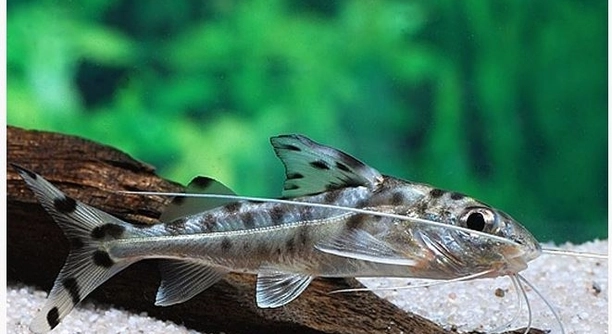
Have you ever noticed your Pictus catfish acting strangely or looking a bit different and wondered if something might be wrong?
The most reliable way to spot parasites in Pictus catfish is by observing behavioral changes, physical abnormalities, and water quality. Common signs include scratching, rapid breathing, weight loss, white spots, and cloudy eyes, indicating possible parasitic infection.
Recognizing early signs and acting quickly can make a big difference in your catfish’s health and overall tank environment.
Common Signs of Parasites in Pictus Catfish
Parasites can affect your catfish’s behavior, appetite, and appearance. One of the first signs is excessive scratching against tank surfaces. This usually means the fish feels irritation on its skin or gills. Look for white spots, ragged fins, or cloudy eyes. These symptoms often show up when external parasites are present. Weight loss, bloating, or stringy feces may signal internal parasites. Watch how your catfish swims—if it becomes sluggish or hides more than usual, it could be feeling unwell. Fast gill movement and gasping at the surface also point to discomfort or infection. Pay attention to these subtle changes. Parasites spread quickly, especially in stressed or weakened fish. Maintaining regular tank checks will help you catch these issues early. If several fish show similar symptoms, it’s important to separate the sick ones and check the tank’s water parameters to avoid further stress and spread.
Early detection can make treatment easier and more effective.
Fish behavior tells a lot. Changes in swimming, eating, and appearance often reveal when something isn’t right.
Causes and Conditions That Promote Parasites
Poor water quality is one of the biggest causes of parasite problems in aquariums.
Parasites thrive in environments where fish are stressed or exposed to sudden changes. Dirty water, leftover food, and overstocked tanks all contribute to poor conditions. When ammonia or nitrite levels rise, the fish’s immune system becomes weaker. That’s when parasites can take hold. New fish or plants that haven’t been properly quarantined may also introduce parasites to your tank. Even healthy fish can carry parasites without symptoms until something triggers an outbreak. Keeping your tank clean, cycling new additions separately, and avoiding overcrowding are simple ways to reduce risk. Make sure your filter is working well and test water parameters weekly. Avoid feeding too much, as decaying food can pollute the water quickly. Consistent care will help keep your Pictus catfish healthy and less likely to suffer from parasite infections. Prevention is easier and less stressful than treatment once symptoms appear.
How to Treat Parasites in Pictus Catfish
Start by isolating the affected fish in a quarantine tank. This helps prevent parasites from spreading to others. Use a heater and air stone to maintain stable conditions. Begin treatment as soon as symptoms are clear.
Medications like copper-based treatments, formalin, or praziquantel are commonly used for external and internal parasites. Follow dosing instructions carefully and avoid mixing treatments unless advised by a vet or aquatics expert. During treatment, maintain high water quality by doing small daily water changes. Keep the quarantine tank clean and well-aerated. It’s also helpful to reduce stress by dimming lights and avoiding sudden movements. Some parasites, like ich, may require raising the temperature slightly to speed up the life cycle and improve treatment effectiveness. Always monitor your fish during treatment for signs of improvement or worsening symptoms.
After treatment, continue to observe your fish for a few more days. Make sure eating habits and energy levels return to normal.
How to Prevent Future Outbreaks
Prevention starts with stable water conditions and regular maintenance. Test your tank water weekly for ammonia, nitrite, nitrate, and pH. Keep a consistent cleaning routine and avoid overcrowding to reduce stress.
Quarantine any new fish or live plants for at least two weeks before adding them to your main tank. This step is often skipped but can prevent parasites from entering the tank in the first place. Feed a balanced diet and avoid overfeeding, which leads to dirty water. Maintain filters, perform regular water changes, and remove uneaten food quickly. Limit handling and sudden changes to the environment. Clean tools like nets and siphons between tanks to prevent cross-contamination. If your catfish shows signs of illness, act early. It’s easier to manage a small problem before it grows. Keeping an eye on behavior and water quality makes a big difference in long-term health and safety.
What to Avoid During Treatment
Avoid using multiple medications at once unless directed by a professional. Mixing treatments can harm your fish and worsen their condition. Stick to one trusted product and monitor your catfish closely throughout the process.
Do not skip water changes during treatment. Clean water supports healing and helps remove parasites from the tank.
Signs Your Catfish is Recovering
Your Pictus catfish will become more active and return to normal swimming patterns once it starts to feel better. Appetite usually improves, and signs like scratching or cloudy eyes should fade. Healthy coloration often returns, and breathing becomes more regular. These are all positive signs of recovery. Keep monitoring behavior even after symptoms disappear. It’s important to finish the full course of treatment and maintain excellent water conditions. If any unusual behavior returns, reevaluate the tank and treatment method. Some parasites may reappear if conditions are not stable, so continued care is key.
When to Consult a Professional
If symptoms worsen after treatment or several fish become sick, it’s best to consult a vet or aquatics expert.
FAQ
How can I tell if my Pictus catfish has parasites?
Look for physical signs like white spots, cloudy eyes, ragged fins, or unusual growths on the skin. Behavioral changes such as scratching against tank surfaces, rapid breathing, hiding more than usual, or loss of appetite also indicate potential parasite problems. Weight loss and sluggish swimming are common symptoms. Regularly observing your fish helps catch problems early before they worsen.
What types of parasites commonly affect Pictus catfish?
The most frequent parasites include Ichthyophthirius multifiliis (ich), flukes, and internal worms. Ich appears as white spots on the skin and fins. Flukes often cause irritation to the gills, leading to heavy breathing or gasping at the water surface. Internal worms may cause weight loss or abnormal feces. Each type requires a specific treatment approach.
Can parasites be prevented entirely?
While it’s difficult to completely prevent parasites, maintaining good tank hygiene and water quality greatly reduces the risk. Quarantining new fish and plants before introducing them into the main tank helps avoid introducing parasites. Avoid overcrowding and keep stress levels low. Routine water testing and regular cleaning also support a parasite-free environment.
Is it safe to treat parasites in a community tank?
Treating parasites in a community tank can be tricky, as some medications harm sensitive species. It’s best to isolate the infected fish in a quarantine tank for treatment. This protects other fish and ensures accurate dosing. If quarantine is not possible, choose treatments carefully and follow instructions strictly to avoid harming other tank inhabitants.
How long does parasite treatment take?
Treatment duration varies depending on the parasite type and medication used. Typically, treatments last from 7 to 14 days. It’s important to complete the full course even if the fish appears better early on. Some parasites have life cycles that require extended treatment to fully eradicate them.
What should I do if the treatment doesn’t work?
If symptoms persist or worsen after treatment, reassess the diagnosis and water conditions. Sometimes, parasites are resistant to certain medications or multiple infections occur. Consult a vet or aquatic specialist for advice on alternative treatments or deeper diagnostics. Testing water parameters and ensuring optimal tank conditions are also important steps.
Can parasites affect other fish in the tank?
Yes, parasites can spread quickly, especially in crowded tanks or poor water conditions. Some parasites transfer directly from fish to fish, while others release eggs or larvae into the water. Prompt isolation of sick fish and tank cleaning help prevent outbreaks. Regular monitoring reduces risks for all your aquatic pets.
Are natural remedies effective against parasites?
Some natural treatments like salt baths or herbal supplements may help reduce parasites, but they are often less reliable than commercial medications. Use natural remedies carefully and research their effects on your specific fish species. For severe infections, proven pharmaceutical treatments remain the best option.
How often should I check my Pictus catfish for parasites?
It’s a good habit to observe your catfish daily during feeding and maintenance. Look for changes in behavior, appetite, and appearance. Weekly water testing and monthly tank cleanings support overall health and early detection of problems. Keeping a close eye helps prevent parasite outbreaks before they escalate.
Can poor diet contribute to parasite infections?
A poor diet weakens the fish’s immune system, making it more vulnerable to parasites and disease. Feeding a varied and balanced diet strengthens your catfish’s defenses. Avoid overfeeding, which can pollute the tank and stress fish, creating ideal conditions for parasites. Proper nutrition is part of a healthy care routine.
Final Thoughts
Parasites in Pictus catfish can cause serious health problems if not noticed and treated early. Paying close attention to your fish’s behavior and appearance is the first step in protecting them. Small changes like scratching, loss of appetite, or unusual spots should not be ignored. These signs often indicate that your catfish is struggling with parasites or other health issues. Early detection allows for quicker treatment, which is less stressful for the fish and easier to manage for you. A healthy tank environment also plays a key role in preventing parasite outbreaks.
Maintaining good water quality and regular tank care helps keep your Pictus catfish safe from parasites. Clean water, proper filtration, and stable temperature reduce stress on the fish and lower the chances of infection. Quarantining new fish or plants before adding them to your main tank can prevent parasites from entering. Overcrowding and overfeeding should be avoided, as they create conditions where parasites thrive. By following a simple routine of observation, cleaning, and water testing, you create a strong defense against health problems.
Treating parasites can be challenging but is necessary for your catfish’s well-being. Using the right medications and following instructions carefully improves the chance of success. It is important to isolate sick fish and continue treatment until all signs are gone. Even after treatment, keep monitoring your fish and tank conditions to prevent reinfection. Taking these steps shows commitment to your catfish’s health and happiness. With consistent care and attention, your Pictus catfish can live a longer, healthier life free from parasites.

Hello,
If you enjoy the content that we create, please consider saying a "Thank You!" by leaving a tip.
Every little bit helps us continue crafting quality advice that supports the health, happiness, and well-being of pets around the world, for pets of all shapes, sizes, and species.
We really appreciate the kindness and support that you show us!