
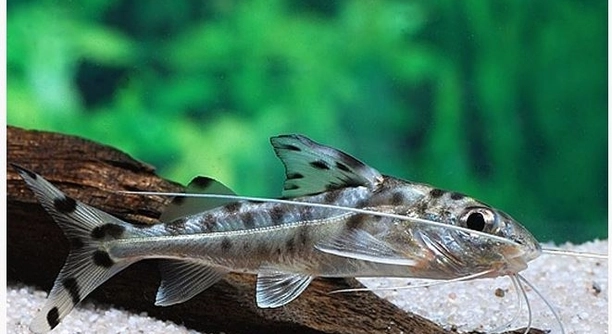
Are your Pictus Catfish looking a little less active or not as vibrant as usual? A few small changes to their diet could help. Knowing which foods offer the right nutrients can make a noticeable difference.
The best foods to boost Pictus Catfish health include protein-rich options like bloodworms, brine shrimp, sinking pellets, and occasional vegetables. These foods support growth, improve energy levels, and help maintain overall health in a freshwater aquarium setting.
With the right meal plan, your Pictus Catfish can thrive, showing more activity, stronger coloration, and better long-term well-being.
Bloodworms for Protein and Energy
Bloodworms are a favorite food for many freshwater fish, and Pictus Catfish are no exception. These small, red larvae are rich in protein, making them excellent for growth and energy. Since Pictus Catfish are active swimmers, they need a high-protein diet to stay healthy and maintain their fast movements. Bloodworms can be offered in frozen or freeze-dried form, and both are convenient options. If you’re feeding frozen bloodworms, it’s a good idea to thaw them first before adding them to the tank. Feed them in moderation, about two to three times a week, to avoid overfeeding and water issues. Bloodworms sink quickly, which works well for bottom dwellers like Pictus Catfish. Adding this food to their diet helps boost their immune system and supports their muscle development. It’s a simple way to improve your fish’s overall condition with very little effort required.
A few weekly servings of bloodworms can help keep your Pictus Catfish active and thriving.
Freeze-dried bloodworms are also easier to store and use when you’re short on time. They don’t require thawing, but you should soak them in tank water for a few minutes before feeding. This helps soften them and reduces the chance of digestion problems.
Brine Shrimp for Digestive Health
Brine shrimp are another excellent food choice. These tiny crustaceans are rich in both protein and fiber.
Brine shrimp help maintain digestive balance in Pictus Catfish due to their natural fiber content. While they may not be as high in protein as bloodworms, they still offer strong nutritional value. They’re especially useful for younger catfish or fish that are showing signs of bloating or low energy. Brine shrimp can be purchased live, frozen, or freeze-dried. Live shrimp offer the benefit of encouraging natural hunting behavior, which can reduce stress and improve activity levels. If you’re using frozen or dried versions, be sure to rinse or soak them before feeding. This prevents unwanted additives or dryness from affecting your fish. Adding brine shrimp to your catfish’s diet once or twice a week gives them variety and supports long-term health. Combined with other high-quality foods, brine shrimp can make a noticeable difference in your fish’s comfort and behavior.
Sinking Pellets for Daily Nutrition
Sinking pellets are a reliable staple for Pictus Catfish. These fish naturally feed near the bottom, so floating food often goes unnoticed. Sinking pellets reach them easily, helping ensure they get enough nutrients in each meal.
Choose pellets specifically made for bottom feeders or carnivorous fish. These usually contain a good balance of protein, vitamins, and minerals. Try to avoid generic tropical fish pellets, as they might lack the right nutrients for catfish. Feed a small amount once or twice daily, and monitor to avoid leftover food, which can affect water quality. Consistency is key with pellets—offering them as a base food ensures your catfish get steady support for growth, energy, and immune health. When paired with fresh or frozen options like bloodworms or brine shrimp, pellets help round out a balanced diet. Look for pellets that are softening quickly in water for easier digestion.
Some sinking pellets also include natural color enhancers like spirulina or shrimp meal. These can support the catfish’s natural patterns and help bring out subtle markings over time. Always check the ingredients list to avoid unnecessary fillers or artificial colors. Quality pellets can make feeding easier and improve your fish’s appearance and behavior in just a few weeks.
Blanched Vegetables for Variety
Blanched vegetables give Pictus Catfish a simple way to get fiber and minerals without disrupting their regular feeding. While not a primary food, small pieces of vegetables offer added benefits when given once a week alongside their protein-rich meals.
Zucchini, cucumber, spinach, and shelled peas are all good choices. These should be blanched lightly—just a quick dip in hot water—so they become soft but still hold shape. Cut them into small pieces and remove any leftovers after a few hours to avoid clouding the water. Vegetables can support digestion and help reduce bloating, especially if your catfish seem sluggish or are eating a heavy protein diet. You might notice increased activity or smoother swimming patterns once fiber is added regularly. Keep portions small and occasional. Adding vegetables once a week is usually enough, and it can also help mimic some of the natural foraging behavior your fish would display in the wild.
Frozen Daphnia for Light Feeding
Frozen daphnia are a gentle option for light feeding days. These small crustaceans are low in fat and easy to digest, making them great for catfish that may be recovering from stress or overfeeding.
They also help clear out the digestive system. Feed once a week or after a heavy protein day to help your catfish reset. Thaw the daphnia before adding to the tank, and feed in small amounts to prevent waste.
Insect-Based Pellets for Protein Variety
Insect-based pellets are packed with protein and mimic natural food sources found in the wild. Many brands use black soldier fly larvae, which are nutrient-rich and easy to digest. These pellets are a good alternative to fishmeal-based foods and can be rotated with regular sinking pellets. Look for ones with no artificial fillers and a good protein percentage. Adding these to your feeding routine once or twice a week helps diversify the diet and supports muscle growth and energy levels. Over time, you might see improved movement and stronger coloration, especially in younger or more active Pictus Catfish.
Cooked Shrimp Bits for Occasional Feeding
Chopped, unsalted cooked shrimp can be offered occasionally as a treat. This should only be done once every few weeks due to the high protein and fat content.
FAQ
How often should I feed my Pictus Catfish?
Feed adult Pictus Catfish once or twice per day. Younger fish may benefit from two small meals to support growth, while adults often do well with a single daily feeding. Offer only what they can finish in about two to three minutes. Overfeeding can lead to water issues and stress. Stick to a regular schedule and monitor their activity and body shape to make sure they’re getting enough without excess. If they seem sluggish or are ignoring food, consider reducing portions or checking water quality.
Can Pictus Catfish eat flakes?
Flakes are not ideal for Pictus Catfish. These fish are bottom dwellers, and flakes tend to float or sink too slowly, leaving most of it out of reach. Even if flakes do sink, they often lose texture quickly and break apart, making them harder to eat and more likely to pollute the tank. It’s better to focus on sinking pellets or protein-rich frozen foods that reach the bottom efficiently. If flakes are used, they should only be part of a mixed diet and should not be the main food source.
Is live food better than frozen for Pictus Catfish?
Live food can stimulate natural hunting behavior and encourage activity, but frozen food is often safer and more practical. Live food may carry parasites or bacteria if not sourced properly. Frozen options like bloodworms, brine shrimp, and daphnia are just as nutritious and easier to store. Most fish will accept frozen foods readily after a short adjustment period. If you enjoy feeding live food, do so sparingly and only from trusted sources. Frozen food keeps things simpler, reduces risk, and still delivers great results for growth and energy.
Can I feed my Pictus Catfish vegetables every day?
Vegetables should not be a daily food for Pictus Catfish. They do not need a large amount of plant matter in their diet. Feeding blanched vegetables once a week is enough to support digestion and provide variety. Too much fiber can interfere with their ability to process protein, which is their main dietary need. Stick to small portions and remove any uneaten pieces within a few hours. Good vegetable choices include blanched zucchini, cucumber, and peas. These help with digestion and mimic some natural foraging without overwhelming their system.
Do Pictus Catfish need vitamin supplements?
Most Pictus Catfish will not need extra supplements if they receive a varied, balanced diet. Quality pellets, along with frozen or live protein foods, typically provide enough nutrients. However, if your fish show signs of poor color, slow growth, or frequent illness, you may want to consider supplements. Some fish foods are fortified with extra vitamins like A, D3, and E. You can also soak food in liquid supplements designed for aquarium use. Use caution—too much of anything can upset the balance of their diet and the tank environment.
Can Pictus Catfish eat human food like shrimp or fish pieces?
Small amounts of plain, cooked shrimp or white fish can be fed occasionally. Make sure there are no seasonings, oils, or salt. Chop the pieces finely and offer just a small portion to avoid overfeeding. These types of food are high in protein and fat, so they should not replace their regular diet. A treat once every few weeks is fine. Always remove leftovers quickly to keep the tank clean. Avoid processed foods or anything with added ingredients, as these can harm your fish or cause stress.
What signs show that my Pictus Catfish is eating well?
Healthy Pictus Catfish are active, alert, and swim with ease. You’ll notice steady movement around the tank, especially during feeding times. Their color should remain even and clear, without pale patches. A well-fed catfish has a firm, smooth body—neither bloated nor thin. Regular waste output and a good appetite are also good signs. If you notice your fish hiding often, breathing rapidly, or ignoring food, something may be off with their diet or environment. Keeping an eye on behavior and appearance helps you adjust food as needed.
Do they eat algae or clean the tank?
Pictus Catfish are not algae eaters and won’t clean the tank like some other bottom dwellers. While they may pick at leftover food, they do not eat algae or debris as part of their diet. You’ll still need to clean the tank regularly and remove waste. Using algae eaters like snails or certain species of plecos can help with tank maintenance, but don’t rely on Pictus Catfish for cleaning. Their main role is to add activity and life to the bottom of your aquarium—not to act as janitors.
Can I fast them once a week?
Yes, fasting once a week is safe and sometimes helpful. It gives their digestive system a break, especially if they’ve had a heavy protein diet throughout the week. This can reduce the risk of bloating or waste buildup. A single day without food won’t harm them, and in many cases, it can actually improve long-term health. Just resume feeding the next day with a normal portion. Use this fasting day as a chance to check behavior and water conditions too—it’s a simple habit that supports both fish and tank health.
Final Thoughts
Feeding your Pictus Catfish the right foods can make a big difference in their health and behavior. These active, bottom-dwelling fish need a mix of protein-rich foods, fiber, and vitamins to stay healthy. Foods like bloodworms, brine shrimp, and sinking pellets should form the base of their diet. These options support muscle development, energy, and a strong immune system. You don’t have to overcomplicate feeding—just stick to a few high-quality foods and rotate them throughout the week. This helps make sure your fish get a range of nutrients without the risk of overfeeding or causing water issues.
Vegetables and other light foods, like daphnia or chopped shrimp, can be added in small amounts. These are not meant to be everyday meals, but they can provide extra support for digestion and variety. When you include fiber-rich vegetables once a week, you may notice that your catfish move more smoothly and appear more relaxed. It’s also important to avoid relying on just one type of food. Feeding only pellets or only live foods over time may leave gaps in their nutrition. A balanced feeding routine helps reduce stress, supports healthy growth, and keeps your fish more engaged in their environment. Even small changes in food can improve their energy and color.
Always monitor your fish for signs of health. A healthy Pictus Catfish will swim with ease, stay active during the day, and show interest in food. If you notice changes in appetite, color, or movement, it could be time to review their diet or check the tank conditions. Regular water changes and a consistent feeding schedule are just as important as the food you offer. Try to observe their behavior during and after meals. This gives you a better idea of what foods they respond to and how much they really need. Avoid overfeeding, and remove any uneaten food within a few hours. A clean tank paired with a proper diet helps your Pictus Catfish live longer and look their best. Feeding them the right way is a simple but powerful step toward giving them a healthy, stable environment.

Hello,
If you enjoy the content that we create, please consider saying a "Thank You!" by leaving a tip.
Every little bit helps us continue crafting quality advice that supports the health, happiness, and well-being of pets around the world, for pets of all shapes, sizes, and species.
We really appreciate the kindness and support that you show us!