
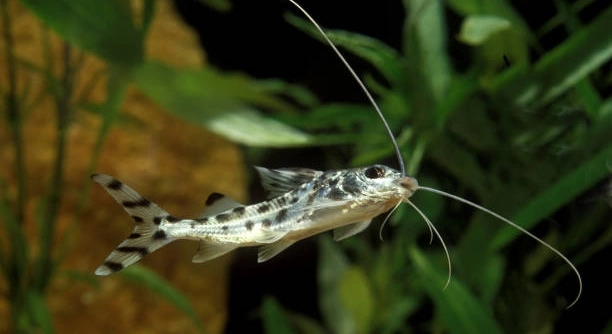
Do you ever find yourself wondering what kinds of food make your pictus catfish the happiest and healthiest in their tank? Whether you’re new to fishkeeping or experienced, feeding the right diet is essential.
Pictus catfish enjoy live food as part of a varied diet. Their natural behavior includes hunting smaller aquatic creatures, so offering live options like bloodworms or brine shrimp can stimulate activity and promote good health.
Knowing what they like to eat can help you build a better feeding routine. You’ll also learn how to balance live food with other options for a well-rounded approach.
Why Live Food Appeals to Pictus Catfish
Pictus catfish are natural hunters. In the wild, they feed on insects, larvae, small crustaceans, and other moving prey they can find along riverbeds. Their sharp senses, especially their long barbels, help them locate food in dark or murky water. Offering live food in a home aquarium mimics this instinctive behavior. It provides both mental stimulation and physical activity as they chase after their prey. This keeps them alert and active, which supports overall health. Popular live food options include bloodworms, blackworms, brine shrimp, and daphnia. These choices are small enough to swallow easily and offer valuable nutrients. Including live food in their weekly feeding schedule can boost energy and enhance natural behaviors. Though pellets and frozen foods are useful, adding live food once or twice a week can make a noticeable difference in both behavior and appearance.
Live food isn’t just about nutrition—it’s also about helping them stay engaged and active in their environment.
To keep them healthy, avoid overfeeding. Live food should be offered in moderation, especially since it can be high in protein. Too much may lead to digestive issues or excess waste. Watch their behavior after feeding to ensure they’re digesting food well and not becoming sluggish or bloated.
When to Use Live Food
Live food is best used as a supplement to their regular diet. It shouldn’t completely replace pellets or frozen options.
Feeding live food about once or twice per week is often enough. It keeps your pictus catfish excited during feeding times and supports their natural instincts without overdoing it. Make sure the live food is clean and disease-free. Avoid wild-caught insects or larvae, as they may carry harmful parasites. Store-bought or tank-cultured live foods are safer. Always rinse live food before adding it to your aquarium. Also, avoid feeding live prey that is too large, as this can cause choking or stress. Over time, you may find certain types of live food that your pictus catfish prefers. Observing how they respond helps you adjust the feeding plan. A balanced diet with live, frozen, and dry foods will keep your pictus catfish active, curious, and well-fed.
Choosing the Right Live Food
Stick to small, soft-bodied options that your pictus catfish can easily swallow. Bloodworms, brine shrimp, and daphnia are ideal. Avoid anything too large or hard-shelled, as it may cause injury or go uneaten. Clean, store-bought live food is always the safer option.
Bloodworms are one of the easiest and most common live foods to offer. They’re rich in protein and encourage your catfish to become more active during feeding. You can purchase them live or store them in the refrigerator for short-term use. Just be sure to rinse them before placing them in the tank. Brine shrimp are another favorite and float well in the water column, making them easy to chase. Daphnia are tiny and excellent for occasional feeding, especially when you want to encourage movement. All three can be used to create variety without needing to rely too heavily on just one type of food.
Live blackworms are another nutritious option but need to be handled with care. They can burrow into the substrate and survive there, which may cause water quality problems. Use a feeding dish or restrict them to a small area of the tank. Feeder fish should be avoided for pictus catfish. They’re often too large and can carry diseases, especially if sourced from unreliable suppliers. If you do try new types of live food, observe how your fish react and check that the food doesn’t stay uneaten for long. Uneaten live food can decay quickly and cause water issues.
How to Feed Live Food Safely
Live food can boost your catfish’s health but must be given carefully. Always rinse live food before feeding, and remove any uneaten bits within 30 minutes. This prevents water contamination and reduces the chance of illness in your tank.
Use feeding tongs, a small net, or a feeding ring to control where the live food is placed. This helps prevent the food from sinking too quickly or spreading across the tank. Feed your pictus catfish in the evening or when the lights are dim, since they are naturally more active at night. Monitor your water parameters regularly, especially if using live food often. High protein intake can increase waste production, so be sure your filtration system is working well. Keep live food stored in a cool, clean space and avoid mixing batches from unknown sources. With a little planning, live food can be a healthy and fun addition to their routine.
Watching for Overfeeding
Pictus catfish can overeat if live food is offered too often. Look out for signs like bloating, slower movement, or leftover food in the tank. Feed small amounts and stick to a set schedule to prevent digestive stress and water quality issues.
Too much live food can also raise ammonia levels. Uneaten bits decay quickly and affect the balance of the tank. Use a gravel vacuum during water changes and check filters regularly to keep everything stable. Feeding two to three times a week is usually enough when using live food.
Mixing Live Food with Other Options
A balanced diet includes more than just live food. Combine live feedings with high-quality sinking pellets and occasional frozen foods to meet all nutritional needs. Pellets provide consistent nutrients and are easy to portion. Frozen bloodworms or brine shrimp offer variety and convenience without the risk of parasites. Use live food to boost activity, not as the main diet. A good mix helps support their immune system, growth, and overall energy. Pay attention to how your catfish react to each food type. If one option is always ignored or causes waste buildup, adjust your feeding plan. Balance is key to healthy feeding.
Best Times to Feed
Evening is ideal for feeding, as pictus catfish are more active during low light hours. Offer live food right before or after turning off the lights for best results.
FAQ
How often should I feed live food to my pictus catfish?
Once or twice a week is enough for most pictus catfish. Live food should be a supplement, not the main diet. It helps mimic natural behavior, but too much can upset their digestion or pollute the tank. Always feed in small portions and observe how much they eat in one sitting.
Can I feed my pictus catfish only live food?
It’s not recommended to rely on live food alone. While live food adds variety and enrichment, it doesn’t always provide a complete nutritional profile. A diet of just live food may cause imbalances over time. Combine live feedings with pellets and frozen foods to keep your fish healthy long-term.
What live foods are safest for pictus catfish?
Bloodworms, brine shrimp, daphnia, and blackworms are all good options. These foods are small, soft-bodied, and easy to eat. Always purchase from trusted sources to avoid introducing parasites. Avoid wild-caught insects or feeder fish, which can carry disease or be too large for safe consumption.
Do pictus catfish hunt live food actively in the tank?
Yes, pictus catfish are natural hunters and enjoy the challenge of catching live food. Their barbels help them locate prey, especially in dim lighting or murky water. Offering live food stimulates activity and brings out these natural behaviors, making feeding time more engaging for them.
Can live food cause water quality problems?
Yes, especially if uneaten food is left in the tank. Live food breaks down quickly and adds extra waste. This can lead to ammonia spikes or cloudy water. Always clean up leftover food within 30 minutes and monitor your tank’s filtration and water parameters closely.
What should I do if my pictus catfish won’t eat live food?
Some fish may take time to recognize live food as something to eat, especially if they’re used to pellets or flakes. Try feeding in dim lighting or when they’re more active. Start with slow-moving options like bloodworms. If they continue to refuse, just stick with pellets and frozen food.
Is there a risk of disease from live food?
Yes, there’s always a slight risk when introducing live organisms into your tank. To reduce the chance of illness, rinse live food thoroughly before feeding. Only buy from reputable suppliers. Avoid mixing different live food cultures, and never use wild-caught bugs or insects from outside.
How do I store live food safely?
Store live food like bloodworms or brine shrimp in the refrigerator in clean containers. Blackworms can be kept in shallow water with gentle aeration. Always rinse before feeding. Replace old or spoiled food right away to prevent contamination. Follow packaging instructions if you’re unsure.
Can live food improve my catfish’s color or health?
Yes, adding live food to a varied diet can help support better color, growth, and energy levels. The movement encourages natural activity, and the nutrients support overall well-being. However, it’s not a miracle fix—long-term health still depends on balanced feeding and good tank maintenance.
Is there a best time of day to offer live food?
Evening is usually best. Pictus catfish are more active when the lights are low or off. Feeding live food at this time increases the chances they’ll eat right away. If feeding earlier, make sure the room is quiet and the tank isn’t too brightly lit.
Final Thoughts
Feeding your pictus catfish live food can be a great way to support their health and natural instincts. These fish are active, curious, and enjoy the chance to hunt for moving prey. Live food like bloodworms, brine shrimp, daphnia, and blackworms offer a protein-rich boost to their diet and help bring out their best behavior. Watching them chase and catch their food also gives you a better look at how they act in a more natural way. Just remember, live food should be part of a balanced routine—not the only thing they eat.
It’s important to feed live food in moderation. Once or twice a week is usually enough. Too much can lead to problems like bloating, poor water quality, or imbalanced nutrition. Always rinse live food before adding it to the tank, and remove any leftovers within 30 minutes to keep the water clean. Avoid feeding anything that looks too large or unhealthy. Choosing safe, store-bought live food is the best way to protect your catfish from harmful bacteria or parasites. With careful planning and observation, feeding live food becomes a safe and enjoyable part of their care.
Mixing live food with pellets and frozen options is the most effective way to meet all of your pictus catfish’s needs. Pellets offer consistent nutrition, frozen food adds variety, and live food supports behavior and stimulation. Together, these options create a well-rounded diet. Always pay attention to how your catfish respond to different foods and make changes if needed. Feeding doesn’t have to be complicated, but it does take some care. A thoughtful feeding plan will not only keep your pictus catfish healthy but also help them stay active and alert. With a bit of attention and variety, your fish will continue to thrive.

Hello,
If you enjoy the content that we create, please consider saying a "Thank You!" by leaving a tip.
Every little bit helps us continue crafting quality advice that supports the health, happiness, and well-being of pets around the world, for pets of all shapes, sizes, and species.
We really appreciate the kindness and support that you show us!