
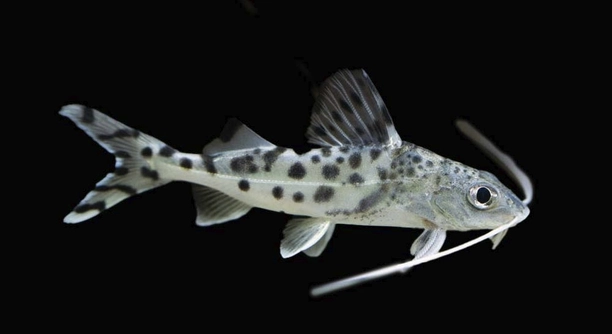
How often do you worry about your Pictus Catfish staying healthy and active in your aquarium? Keeping these lively fish well can sometimes feel challenging, especially when trying to avoid common illnesses. Their well-being depends on proper care and a stable environment.
Preventing sickness in Pictus Catfish requires maintaining clean water conditions, providing a balanced diet, and avoiding sudden changes in their habitat. Regular monitoring of water parameters such as temperature, pH, and ammonia levels is essential for their health and longevity.
Understanding these basic steps will help you support your Pictus Catfish’s health and prevent common diseases before they start. Maintaining a good environment is key to keeping them thriving.
Keeping Water Clean and Stable
Maintaining clean water is the foundation for preventing illness in Pictus Catfish. These fish are sensitive to poor water quality, which can quickly stress their immune system. Regular water changes, about 20-30% weekly, help remove harmful waste and toxins. Using a good filtration system keeps the tank environment stable and healthy. It’s important to check water parameters like ammonia, nitrite, and nitrate regularly. High levels of these substances can cause severe health issues for your fish. Avoid overcrowding the tank, as it leads to faster waste buildup and increased stress. When adding new fish or plants, quarantine them to prevent introducing diseases. Keeping the tank clean not only protects your Pictus Catfish but also creates a better habitat where they can thrive and display natural behaviors.
Testing water often and maintaining stable conditions are essential steps to prevent sickness and support overall fish health.
Cleaning the tank regularly and keeping parameters in check will minimize disease risks and promote a balanced environment for your fish.
Feeding a Balanced Diet
Feeding your Pictus Catfish a varied and balanced diet supports their immune system and energy levels. They are omnivores, so they need a mix of protein, vegetables, and specialized fish food. Offering live or frozen foods like bloodworms and brine shrimp can provide essential nutrients and encourage natural hunting behavior. High-quality pellets or flakes designed for bottom feeders should make up the staple of their diet. Overfeeding can cause water quality issues, so feed only what they can consume in a few minutes, once or twice a day. Supplements or occasional treats help ensure they receive vitamins and minerals necessary for good health. Avoid feeding fatty or low-quality foods that may weaken their immune system. Proper nutrition strengthens their resistance to diseases and helps maintain vibrant coloration and activity.
A healthy diet supports your catfish’s natural defenses and keeps them energetic and lively in the tank.
Monitoring Water Temperature
Pictus Catfish thrive best in water temperatures between 72°F and 78°F. Keeping the temperature stable within this range is vital to avoid stress and illness.
Sudden fluctuations in water temperature can weaken your catfish’s immune system and make them more susceptible to infections. Use a reliable aquarium heater and thermometer to maintain consistent warmth. Avoid placing the tank near windows or vents where temperatures may change rapidly. If the room temperature varies widely, consider using a heater with a thermostat to keep the environment steady. Stable temperatures help support normal metabolism and behavior, reducing the risk of stress-related diseases.
Besides temperature, ensure other water parameters remain constant. Combine good temperature control with clean water and proper feeding to give your Pictus Catfish the best chance at long-term health.
Avoiding Overcrowding
Overcrowding in your tank creates stress and poor water quality, which can quickly lead to illness in Pictus Catfish. Provide enough space for swimming and hiding spots.
A crowded tank increases competition for food and oxygen, raising stress levels among fish. Stress weakens their immune defenses, making it easier for infections to take hold. Ideally, maintain at least 10 gallons of water per adult Pictus Catfish to reduce crowding issues. Adding plants and decorations creates hiding places, helping fish feel secure. Frequent water testing is crucial when multiple fish share a tank, as waste accumulates faster. Proper stocking and tank maintenance prevent many common health problems caused by stress and poor environment.
Balancing the number of fish with adequate space promotes natural behavior and reduces disease risk over time.
Quarantine New Fish
Quarantining new fish before adding them to your main tank helps prevent spreading diseases. Keep new arrivals in a separate tank for at least two weeks.
During quarantine, observe the new fish closely for signs of illness. This step reduces the risk of introducing parasites or infections to your Pictus Catfish and keeps the main tank safe.
Regular Health Checks
Watching your Pictus Catfish daily allows early detection of any health issues. Look for changes in behavior, appetite, or physical appearance. Early action improves recovery chances.
Avoid Sudden Changes
Sudden changes in water conditions or environment cause stress. Make all adjustments slowly to keep your catfish comfortable and healthy.
Maintain Proper Lighting
Proper lighting supports a healthy day-night cycle for your fish and helps control algae growth in the tank.
FAQ
How often should I change the water for my Pictus Catfish?
Regular water changes are essential to keep your Pictus Catfish healthy. Aim to change about 20-30% of the water every week. This helps remove waste, toxins, and excess nutrients that can harm your fish. Smaller, frequent changes are better than large, infrequent ones, as they keep the environment stable and less stressful for your catfish.
What signs show my Pictus Catfish might be sick?
Look for changes in behavior such as lethargy, loss of appetite, or hiding more than usual. Physical signs include faded colors, torn fins, clamped fins, or white spots on the body. Erratic swimming or gasping at the surface can also indicate problems. Catching illness early makes treatment easier.
Can I keep Pictus Catfish with other fish species?
Yes, Pictus Catfish are generally peaceful and can live with other non-aggressive fish of similar size. Avoid housing them with overly aggressive or much larger species. Good tank mates include tetras, rasboras, and peaceful barbs. Always monitor interactions to prevent stress or injury.
What is the best diet for a Pictus Catfish?
A varied diet works best. Feed them high-quality sinking pellets made for carnivorous or omnivorous fish. Supplement with live or frozen foods like bloodworms, brine shrimp, or daphnia. Occasionally, offer vegetables such as blanched zucchini or peas. Avoid overfeeding to keep water quality high.
How can I prevent common diseases in my Pictus Catfish?
Maintaining clean water, a stable environment, and a balanced diet are key. Avoid sudden changes in temperature or water chemistry. Quarantine new fish before adding them to the main tank. Regularly monitor your fish for any early signs of illness to treat problems promptly.
What water parameters are ideal for Pictus Catfish?
Keep water temperature between 72°F and 78°F. The pH should be neutral to slightly acidic, around 6.5 to 7.5. Ammonia and nitrite levels must be zero, and nitrate should be kept low through regular water changes. Stable water conditions reduce stress and help prevent disease.
How big do Pictus Catfish get?
Adult Pictus Catfish typically grow to about 4-5 inches in length. They need enough space in the tank to swim freely, so a minimum tank size of 30 gallons is recommended to accommodate their size and activity.
Can Pictus Catfish live in a community tank?
Yes, they are social fish and often do well in groups of five or more. Group living reduces stress and encourages natural schooling behavior. Ensure the tank is large enough and has plenty of hiding spots to keep everyone comfortable.
How often should I feed my Pictus Catfish?
Feed your Pictus Catfish once or twice daily. Provide only what they can eat within a few minutes to avoid leftover food that can pollute the water. Consistent feeding times help maintain a healthy routine and reduce stress.
What should I do if my Pictus Catfish gets sick?
Isolate the sick fish if possible to prevent spreading illness. Test water quality and make any necessary corrections immediately. Depending on the symptoms, use appropriate medications recommended for common freshwater fish diseases. Consult with an aquarium specialist if unsure about treatment.
Is it necessary to provide hiding places for Pictus Catfish?
Yes, hiding spots are important for reducing stress. Use decorations, plants, or caves to create safe spaces. This allows your fish to rest and feel secure, which supports overall health and prevents illness.
Keeping your Pictus Catfish healthy takes some effort but is very rewarding. The key to success lies in creating a stable and clean environment. Regular water changes and proper filtration make a big difference in preventing sickness. Paying close attention to water temperature and chemistry also helps keep your fish comfortable. When their environment is steady and clean, Pictus Catfish are less likely to get stressed or fall ill. Small habits like checking the water often and cleaning the tank regularly help avoid many common problems before they start.
Feeding your Pictus Catfish the right diet is just as important as maintaining water quality. They need a balanced diet with a mix of protein and plant matter to stay strong. Offering live or frozen foods along with good quality pellets supports their health and keeps them active. Overfeeding should be avoided because leftover food can spoil the water. Watching how much and how often you feed your fish is an easy way to improve their overall well-being. Feeding properly also encourages their natural behavior, which is a sign of good health.
Keeping an eye on your Pictus Catfish regularly helps catch any health issues early. Observing changes in behavior, appetite, or appearance is important. Quarantining new fish before adding them to your tank protects your catfish from infections. Also, providing enough space and hiding places reduces stress and makes the fish feel safe. Stress is a major factor that weakens their immune system. With patience and consistent care, your Pictus Catfish can live a long, healthy life and remain a beautiful addition to your aquarium.

Hello,
If you enjoy the content that we create, please consider saying a "Thank You!" by leaving a tip.
Every little bit helps us continue crafting quality advice that supports the health, happiness, and well-being of pets around the world, for pets of all shapes, sizes, and species.
We really appreciate the kindness and support that you show us!