
Have you ever set up a peaceful aquarium only to wonder if certain fish can truly coexist without issues over time?
Pictus catfish and goldfish should not be housed together. They have different environmental needs, dietary habits, and temperaments, which can lead to stress, illness, and even injury for one or both species.
Understanding their natural behaviors and living conditions will help you create a healthier and more harmonious tank environment.
Why Pictus Catfish and Goldfish Aren’t a Good Match
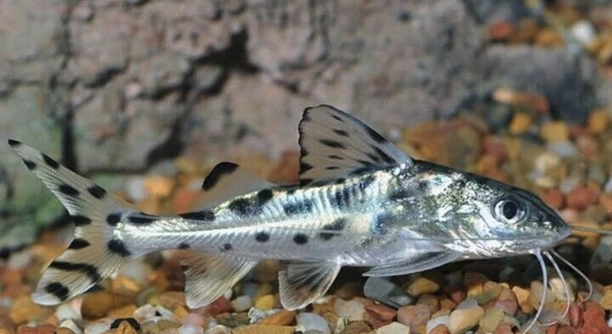
Pictus catfish are active, fast-swimming fish that need warmer water temperatures between 75°F and 81°F. Goldfish, however, prefer cooler conditions, usually between 65°F and 72°F. When housed together, one of them will always be uncomfortable. Pictus catfish are also nocturnal and may become aggressive or overly active at night, disturbing slower tank mates like goldfish. Their long barbels can be mistaken for food by goldfish, leading to injuries. Additionally, pictus catfish can be territorial and have sharp spines that may harm curious goldfish. Goldfish also produce a large amount of waste, which can stress pictus catfish and disrupt water quality. Their differing diets, with goldfish preferring more plant-based foods and pictus needing protein-rich options, make feeding time another challenge. All these factors combined can result in a tank that’s hard to manage and unsafe for one or both fish.
Keeping them together puts both at risk.
For a peaceful tank, it’s better to choose species with similar needs and behaviors.
What to Do Instead
Choose tank mates that thrive in the same temperature and water conditions as your current fish.
If you already have goldfish, consider peaceful coldwater fish like white cloud mountain minnows or certain types of loaches. These fish can handle the same temperature range and are generally non-aggressive. Fancy goldfish do well with their own kind because they swim slower and have delicate fins. If you’re more drawn to the look and behavior of pictus catfish, try housing them with other tropical fish like silver dollars or peaceful barbs. Just be sure to use a large enough tank with hiding spaces, as pictus catfish like to explore and rest in shaded areas. Also, keep in mind that pictus catfish do best in groups of at least three, while goldfish often prefer being in small social groups too. Matching fish based on their natural habitat needs helps keep the tank calm, clean, and easier to manage.
Temperature and Water Differences
Goldfish are coldwater fish, while pictus catfish need warmer water. This difference alone creates long-term health issues if they’re kept in the same tank, since one species will always be outside its ideal comfort range.
Goldfish thrive in temperatures between 65°F and 72°F, while pictus catfish need 75°F to 81°F to stay healthy. Keeping a tank in the middle range won’t work because it still leaves one fish vulnerable to illness and stress. Warmer water may speed up goldfish metabolism, increasing waste and reducing lifespan. Cooler water, on the other hand, can slow down a pictus catfish’s immune system and digestion, making them more likely to get sick or inactive. This constant imbalance puts strain on filtration and tank upkeep. Instead of adjusting the temperature to suit one fish while harming the other, it’s safer to choose tank mates that share the same climate needs.
Stable water conditions benefit every fish in the tank.
A mismatch in pH and water hardness also adds stress to both species. Goldfish do better in slightly alkaline water with moderate hardness. Pictus catfish, however, prefer soft, slightly acidic water. While they may survive for a while in mixed conditions, long-term exposure to the wrong parameters weakens their immune systems. Ammonia spikes from goldfish waste further complicate things, making it hard to maintain clean, safe water. Even if you run a powerful filter, it’s not just about equipment — fish health starts with compatibility. Constantly correcting water conditions takes more time, adds costs, and increases the risk of accidents. It’s far easier to create a balanced setup when all fish thrive in the same type of water.
Feeding Habits and Behavior Clashes
Goldfish eat slowly and graze throughout the day, while pictus catfish are faster and more aggressive during feeding.
Pictus catfish prefer sinking pellets and meaty foods, especially at night. They’ll often rush through the tank looking for anything edible, which causes stress for slower goldfish. Because of their active nature, pictus catfish may consume most of the food before goldfish even notice. Over time, this leads to malnourished goldfish and overfed pictus catfish. Goldfish may also try to nibble on the barbels of the pictus catfish, mistaking them for worms. This behavior can cause injury and infection. Feeding different diets in the same tank usually means food is either wasted or uneaten, affecting water quality. Even when you try to feed them separately, there’s no guarantee the right fish gets the right food. Tankmates should eat at the same pace and share a similar diet to keep feeding simple and stress-free.
Activity Levels and Tank Setup
Pictus catfish are fast and constantly moving, while goldfish are slower and more relaxed. This difference causes stress and confusion in the tank, especially during feeding or nighttime activity.
Pictus catfish also need plenty of hiding spots and low lighting, which doesn’t match goldfish tank setups that favor open swimming space and brighter conditions.
Injury Risks and Stress
Pictus catfish have sharp pectoral spines that can accidentally harm goldfish during fast movements or tank clashes. If a goldfish tries to bite or explore, it may end up injured or with damaged fins. This creates a stressful environment for both species. Goldfish also tend to nip when curious, which increases the chance of harming a pictus catfish’s barbels or fins. Stress from constant motion and territory issues weakens their immune systems, leaving both fish vulnerable to illness. Injuries in mixed tanks often go unnoticed until they become infected. It’s safer to avoid mixing fish that interact poorly or have physical traits that can harm others.
Long-Term Care Differences
Their care needs are too different for a shared tank to work without constant monitoring and compromise.
FAQ
Can pictus catfish live in cold water like goldfish?
No, pictus catfish cannot live in cold water. They are tropical fish that need warm water between 75°F and 81°F. Cold temperatures weaken their immune systems, reduce activity, and lead to health issues. Keeping them in cooler conditions can cause long-term damage. Even short-term exposure is stressful and risky for their health. A stable, warm environment is necessary for them to eat well, stay active, and avoid illness. If you keep them in water suited for goldfish, they won’t thrive and may not survive for long.
Do goldfish get along with other fish at all?
Yes, but only with the right kinds of fish. Goldfish are peaceful but slow and produce a lot of waste. They do best with other coldwater fish like other goldfish, white cloud mountain minnows, and some types of loaches. Fast or aggressive fish can overwhelm them. Also, goldfish have delicate fins that can be injured easily by nippy fish. Stick to tank mates with similar needs—calm behavior, cool water tolerance, and low aggression. Always monitor new additions for signs of stress or injury. Even peaceful fish can clash if their needs don’t match.
Will a pictus catfish attack a goldfish?
Not always, but it’s possible. Pictus catfish are active hunters at night and may mistake small or fancy goldfish fins for food. They also swim fast and can accidentally bump into goldfish, especially in smaller tanks. If food is limited or the tank is overcrowded, the risk of aggression increases. While pictus catfish aren’t typically aggressive, their energy and speed can be too much for a calm goldfish. Injuries often happen from unintentional clashes or feeding frenzies. That’s why mixing them is not recommended.
Can I just use a tank divider to keep them separate?
A tank divider might work temporarily, but it’s not a long-term solution. It limits swimming space and creates maintenance challenges. Both species need room to move, and dividers reduce water flow and make cleaning harder. Also, pictus catfish are strong and may find ways around the divider. Long-term, it’s better to use two tanks so each fish can have the right temperature, space, and environment. Dividers may help for short-term isolation or quarantine, but they don’t solve the compatibility problem.
Is it true that goldfish make the water dirty for pictus catfish?
Yes. Goldfish produce a lot of waste, which raises ammonia levels quickly. Pictus catfish need clean, well-filtered water to stay healthy. Excess waste from goldfish can overwhelm filters and make the tank unsafe. Pictus catfish are more sensitive to poor water conditions, so they often suffer first. Even with strong filtration, managing water quality in a shared tank becomes more difficult. The high bioload from goldfish alone makes it harder to keep stable conditions for both species.
How large do pictus catfish and goldfish grow?
Pictus catfish can grow up to 5 inches, while goldfish can grow over 8 inches depending on the type. Both require a lot of swimming space. Crowded tanks increase stress, aggression, and health issues. Most goldfish tanks are already full with just a few fish, so adding pictus catfish pushes the limits. Their combined size and activity levels make them poor tank mates in shared spaces. A small tank simply won’t work for both, and even a large one demands careful planning that rarely ends well.
Can I keep them together if they’re young and small?
It may seem easier when they’re small, but they grow quickly and need different conditions. Their behavior and needs change as they mature. Young fish are more tolerant, but that doesn’t last. As they grow, the temperature gap becomes more serious, feeding competition increases, and injuries become more likely. What seems peaceful at first may lead to major problems later. Starting them in the same tank just delays the inevitable need for separation. It’s better to keep them apart from the beginning.
What are better tank mates for pictus catfish?
Good options include silver dollars, peaceful barbs, and larger tetras. These fish match the pictus catfish’s activity level and warm water needs. They are fast enough to keep up during feeding and less likely to get injured. Choose tank mates that won’t compete aggressively for food or territory. Make sure the tank is big enough and has hiding places for everyone. Always research compatibility based on adult size, behavior, and water requirements before introducing new fish.
What tank size do I need for pictus catfish?
A single pictus catfish needs at least a 55-gallon tank, but they do better in groups of three or more, which requires a 75-gallon tank or larger. They are very active and need swimming room along with places to hide. Small tanks cause stress and increase aggression. A large tank with soft substrate, driftwood, and plants creates a comfortable space for them. They also need strong filtration and stable warm temperatures. A well-planned tank setup is key to keeping pictus catfish healthy and active.
Why is compatibility so important in fishkeeping?
Mixing incompatible fish leads to stress, illness, injuries, and even death. Every fish has specific needs—temperature, water quality, diet, and behavior. If these don’t match, the tank becomes harder to manage, and the fish won’t thrive. Compatibility isn’t just about aggression—it’s also about how fish interact with their environment and each other. Picking fish with similar care requirements helps you maintain a stable, clean, and peaceful tank. It also makes feeding, cleaning, and water management easier. When fish are comfortable, they show better colors, grow properly, and live longer.
Final Thoughts
Keeping pictus catfish with goldfish may seem like a good idea at first, especially if both fish are small or appear peaceful. But their different needs make it hard to give both species the right care in the same tank. Goldfish need cooler water and are slow swimmers that create a lot of waste. Pictus catfish need warm water, are very active, and have sharp spines that can cause injury. These differences often lead to stress, poor water conditions, and even injury for one or both fish. Over time, one species will suffer from being in an unsuitable environment.
A healthy tank depends on matching fish that share similar temperature needs, behavior, and feeding habits. When fish are placed together without considering these factors, they may compete for food, clash over space, or live in uncomfortable water conditions. Even if they seem to tolerate each other in the beginning, long-term problems usually develop. Goldfish are best kept with calm, coldwater species, while pictus catfish do better in tropical setups with other fast-moving, peaceful fish. Trying to balance both in one tank will require constant adjustments and close monitoring, which isn’t practical or safe for the fish.
It’s always better to plan your tank around the specific needs of each species. This helps you avoid future problems and gives your fish a better quality of life. If you like both goldfish and pictus catfish, consider keeping them in separate tanks. That way, you can create the right environment for each and enjoy their unique behaviors without stress or conflict. Choosing compatible tank mates makes care easier, reduces health risks, and helps both types of fish live longer, healthier lives. A peaceful tank starts with good planning and the right combinations.

Hello,
If you enjoy the content that we create, please consider saying a "Thank You!" by leaving a tip.
Every little bit helps us continue crafting quality advice that supports the health, happiness, and well-being of pets around the world, for pets of all shapes, sizes, and species.
We really appreciate the kindness and support that you show us!