
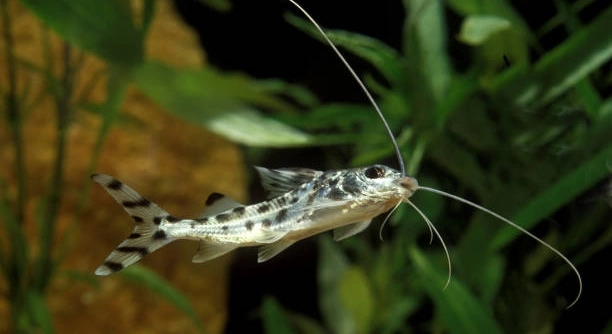
Many aquarium owners enjoy keeping Pictus Catfish for their unique appearance and active behavior. These fish require specific conditions to stay healthy and happy in home tanks. Understanding their needs helps ensure a better environment for them.
Pictus Catfish do not like overcrowded tanks because limited space increases stress and competition for resources. Overcrowding reduces water quality and oxygen levels, negatively affecting their health and natural behavior patterns. Proper tank size is essential for their well-being.
Learning how overcrowding impacts these catfish can improve your tank’s balance and keep your fish thriving. This article explains why giving them enough room is so important.
Why Space Matters for Pictus Catfish
Pictus Catfish are active swimmers who need plenty of space to move around comfortably. When tanks become overcrowded, these fish have limited room to explore and hide, which can cause stress. Stress weakens their immune system and makes them more prone to illness. In addition, crowded tanks often lead to increased waste buildup, which affects water quality and can cause harmful ammonia and nitrite levels to rise. Proper filtration can help, but it cannot fully compensate for the lack of space. Pictus Catfish also prefer having places to rest and hide, like plants or decorations, which become scarce in a crowded environment. When these needs aren’t met, their behavior changes—they may become more aggressive or hide excessively. Ensuring enough room in the tank helps keep them calm, healthy, and active. A spacious tank supports their natural behavior and reduces the risk of disease, contributing to a longer, happier life.
Maintaining the right tank size and stocking level is key for Pictus Catfish health.
A balanced environment with enough space promotes natural movement, reduces stress, and improves water quality. When planning a tank, consider their adult size and swimming habits. Overcrowding should be avoided to give these fish the best chance to thrive.
Effects of Overcrowding on Behavior and Health
Overcrowding in tanks changes how Pictus Catfish act and affects their well-being.
When too many fish share a small tank, competition for food increases, and some fish may not get enough to eat. Stress from crowding can cause fish to become restless, hide more often, or display aggressive behavior toward tank mates. This stress also lowers their resistance to infections and disease. Poor water conditions from overcrowding can lead to fin rot, skin infections, and respiratory problems. Regular water changes help but won’t fix the root issue of limited space. Over time, these health problems can become severe, sometimes leading to early death. It’s important to monitor fish behavior closely, as changes can signal overcrowding. Observing aggression, lethargy, or refusal to eat means the tank may be too full. Adjusting stocking levels or upgrading to a larger tank improves conditions and fish health significantly. Giving Pictus Catfish enough space allows them to show their natural behavior and live comfortably.
Keeping a moderate number of fish prevents most health and behavior problems caused by overcrowding.
Ideal Tank Size for Pictus Catfish
A tank size of at least 55 gallons is recommended for keeping Pictus Catfish comfortable. This size provides enough swimming space and helps maintain water quality. Smaller tanks can quickly become overcrowded if too many fish are added.
Pictus Catfish grow up to about 5 inches long and need room to swim freely. Crowded tanks restrict movement and increase stress levels. A larger tank also helps dilute waste, making it easier to maintain clean water. Overcrowding in small tanks often leads to poor oxygen levels and higher toxin buildup, which harms fish health. Providing ample space lets your catfish explore, rest, and behave naturally. Decorations and hiding spots can be added without sacrificing swimming room. Keeping fewer fish or upgrading tank size ensures a healthier environment. This simple step reduces stress and promotes longer, more active lives for your Pictus Catfish.
Regular monitoring and tank maintenance are essential to prevent overcrowding in any size tank.
Choosing Compatible Tank Mates
Pictus Catfish do best with peaceful, similarly sized fish that won’t compete aggressively for food or space. Avoid large, aggressive species that may bully or stress them.
Compatible tank mates include small tetras, rasboras, and peaceful bottom dwellers like Corydoras. These fish share similar water needs and temperaments. Mixing with overly active or territorial fish can cause stress and injury. It’s important to keep the tank balanced, with enough space for all inhabitants to move and hide. Overcrowding combined with incompatible species often leads to conflicts. Introducing fish gradually and observing interactions helps maintain harmony. Proper feeding ensures all fish get enough nutrition without competition. Choosing the right tank mates improves overall tank health and reduces stress for your Pictus Catfish, making the aquarium a peaceful space for everyone.
Signs Your Tank Is Overcrowded
Overcrowded tanks often show clear signs, such as fish gasping for air near the surface or visible aggression. These signs mean the environment isn’t healthy for your Pictus Catfish.
Other indicators include cloudy water, frequent algae growth, and sluggish fish behavior. Ignoring these signs can lead to serious health problems.
How to Reduce Overcrowding
Removing excess fish is the most direct way to reduce overcrowding. Another option is upgrading to a larger tank, which provides more space and better water conditions. Adjusting the number of fish helps improve their quality of life.
Importance of Regular Maintenance
Regular water changes and filter cleaning are critical to managing waste buildup in any tank. Proper maintenance keeps water parameters stable and reduces stress on your fish.
The Role of Proper Feeding
Overfeeding adds extra waste and worsens water quality in crowded tanks. Feeding only what fish can consume in a few minutes helps maintain a cleaner environment.
FAQ
How many Pictus Catfish can I keep in one tank?
The general rule is about one Pictus Catfish per 10 gallons of water. For example, a 55-gallon tank can comfortably house up to five Pictus Catfish. This gives them enough swimming space and helps keep water quality stable. Overcrowding can cause stress, disease, and poor behavior, so it’s better to keep numbers moderate.
What tank size is best for a group of Pictus Catfish?
A 55-gallon tank or larger is recommended for a small group. This size allows room for swimming and hiding, plus enough water volume to dilute waste. Smaller tanks can quickly become crowded and create unhealthy conditions, especially as the fish grow.
Can Pictus Catfish live with other species?
Yes, but it’s important to choose peaceful fish that won’t compete aggressively for food or territory. Suitable tank mates include small tetras, rasboras, and other calm bottom dwellers like Corydoras catfish. Avoid large or aggressive fish to prevent stress and injury.
What are the common signs of overcrowding in a tank?
Signs include fish gasping for air at the surface, increased aggression, sluggish swimming, and hiding behavior. Cloudy water and rapid algae growth also point to poor water quality caused by too many fish. These signs mean it’s time to adjust stocking levels or improve tank conditions.
How does overcrowding affect water quality?
More fish produce more waste, which breaks down into harmful substances like ammonia and nitrites. In overcrowded tanks, filtration and water changes may not keep up, leading to toxic water. Poor water quality stresses fish and makes them more prone to illness.
What steps can I take if my tank is overcrowded?
The easiest step is to reduce the number of fish by rehoming some. Another solution is upgrading to a larger tank that provides more space and better water quality. Regular maintenance like water changes and filter cleaning also helps improve conditions.
How often should I perform maintenance to keep my tank healthy?
Weekly partial water changes of 20-30% are ideal to remove waste and toxins. Cleaning filters monthly ensures they work efficiently. Maintaining stable water parameters supports fish health and reduces stress, especially in tanks with higher fish numbers.
Does feeding too much affect overcrowding problems?
Yes, overfeeding increases waste and worsens water quality. Feeding only what your fish can eat in a few minutes reduces leftover food, which otherwise decomposes and pollutes the water. Proper feeding supports a cleaner, healthier tank environment.
Can Pictus Catfish survive in smaller tanks?
While they may survive for a time, smaller tanks often cause stress, poor water quality, and limited swimming space. This can shorten their lifespan and lead to health problems. Providing an adequately sized tank is important for their long-term well-being.
Are hiding spots important in a crowded tank?
Hiding spots help reduce stress by giving fish safe places to retreat. In overcrowded tanks, these spaces become limited, which increases tension and aggression. Adding plants, caves, or decorations helps create a comfortable environment, even in moderately stocked tanks.
Providing a good home for Pictus Catfish means understanding their need for space and comfort. Overcrowded tanks cause stress, poor water quality, and health issues. These fish are active swimmers who thrive in roomy environments with enough clean water and hiding places. When tank space is limited or there are too many fish, their natural behavior changes, and they become less healthy. It is important to keep tank size in mind and avoid adding too many fish at once. This simple step helps prevent many common problems and keeps your catfish happier for longer.
Keeping the tank clean and maintaining proper water conditions is just as important as tank size. Overcrowding can cause waste buildup, which leads to harmful toxins in the water. Regular water changes and filter cleaning help keep water fresh and safe. Feeding the right amount of food without overfeeding also plays a role in reducing waste. Even if you have a large tank, too much food or poor maintenance can quickly lower water quality. Taking care of these details supports the health and wellbeing of your Pictus Catfish, making sure they stay active and lively.
Choosing compatible tank mates and providing enough hiding spots can further improve the tank environment. Pictus Catfish get along best with peaceful fish that don’t compete for space or food aggressively. Adding plants, caves, or decorations creates safe places for them to rest and reduces stress. Paying attention to these small but important details helps create a balanced aquarium where all fish can live comfortably. Overall, keeping the tank properly sized, clean, and peaceful gives your Pictus Catfish the best chance at a healthy, long life.

Hello,
If you enjoy the content that we create, please consider saying a "Thank You!" by leaving a tip.
Every little bit helps us continue crafting quality advice that supports the health, happiness, and well-being of pets around the world, for pets of all shapes, sizes, and species.
We really appreciate the kindness and support that you show us!