
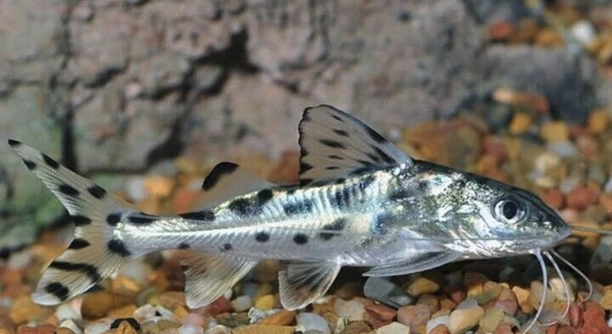
Skittish Pictus catfish can be stressful for aquarium owners who want their fish to feel safe and calm. These active fish are sensitive to sudden changes and noises in their environment. Learning how to help them relax improves their well-being.
To calm a skittish Pictus catfish, it is essential to maintain a stable environment with minimal disturbances, provide plenty of hiding spots, and avoid sudden movements around the tank. Consistent water conditions and gentle handling reduce stress effectively.
Knowing these simple steps will help you create a peaceful home for your catfish. Small changes can make a big difference in their comfort and behavior.
Understanding Why Pictus Catfish Get Skittish
Pictus catfish are naturally cautious animals. Their skittishness often comes from feeling unsafe or threatened in their environment. Sudden movements, loud noises, or bright lights can easily startle them. These fish also need places to hide because in the wild, they seek shelter from predators. When a tank lacks enough hiding spots, the catfish become more anxious and restless. Water quality plays a big role too. Poor water conditions stress fish and make them more nervous. Temperature swings or improper pH levels add to their discomfort. It’s important to mimic their natural habitat as much as possible. A calm, stable environment helps reduce stress. Watching their behavior can also tell you if something is bothering them. If they hide constantly or dart around nervously, it’s time to check their tank setup. Adjusting lighting, adding decorations, or controlling noise can improve their comfort and lower their stress.
Keeping your tank quiet and stable is essential to avoid upsetting your catfish.
Recognizing their natural instincts and needs is key to calming a skittish Pictus catfish. Meeting these basic requirements creates a more relaxed fish that behaves calmly in your aquarium.
Setting Up a Safe and Comfortable Tank
Start by providing plenty of hiding spots, such as caves, plants, and decorations. These give your catfish a sense of security. Use dim lighting or adjustable lights to avoid making the tank too bright. Keep the water clean with regular changes and proper filtration. Monitor temperature and pH closely to match their ideal range. Avoid tapping on the glass or sudden movements around the tank, as this frightens them. Consistency is important—try not to change the environment too often or drastically. When feeding, approach slowly and use calm motions to prevent scaring the fish. If you keep other fish in the tank, choose peaceful species that won’t chase or stress your catfish. All these steps combined help your Pictus catfish feel protected, lowering its skittish behavior and encouraging more natural movement.
Feeding Techniques to Reduce Stress
Feeding your Pictus catfish calmly can lower its stress. Use slow, gentle movements when adding food to the tank. Avoid sudden splashes or loud noises during feeding time.
Offering food slowly allows your catfish to feel safe and less threatened. Use sinking pellets or wafers that reach the bottom quickly, where Pictus catfish usually feed. Feeding at the same time every day helps create a routine, which builds trust and comfort. Avoid overfeeding, as leftover food can pollute the water and increase stress.
If your catfish seems nervous during feeding, try scattering food gently in different parts of the tank. This encourages exploration without making the fish feel trapped. Providing a calm environment around feeding time also supports their natural behavior, making them less skittish and more relaxed over time.
Handling and Interaction Tips
Limit direct handling of your Pictus catfish to reduce stress and avoid injury. Use a soft net if you need to move them.
When interacting with your catfish, keep movements slow and predictable. Avoid tapping on the glass or sudden gestures near the tank. Over time, your catfish will become more comfortable seeing you without reacting nervously. If you want to observe them closely, try sitting quietly nearby and allowing the fish to approach on their own terms. Building this calm environment encourages trust and reduces fear, making daily care easier and more enjoyable for both you and your fish.
Creating Hiding Places
Hiding places are essential for Pictus catfish to feel safe. Use decorations like caves, driftwood, and dense plants to provide shelter. These spots reduce stress by giving your fish a place to retreat when feeling nervous.
Make sure hiding spots are easy to access but offer enough cover. Avoid sharp edges to prevent injuries. Changing the tank layout too often can confuse your catfish, so keep the setup consistent once they get used to it.
Monitoring Water Conditions
Clean water with stable parameters is crucial for your catfish’s health. Regularly test for ammonia, nitrites, and nitrates. Keep the temperature steady between 74°F and 79°F (23°C–26°C). Proper water quality reduces stress and helps maintain calm behavior.
Minimizing Noise and Vibrations
Loud noises and vibrations can startle your catfish, making it skittish. Place the aquarium away from busy areas or heavy foot traffic. Using a sturdy stand helps reduce vibrations from nearby sources, creating a calmer environment for your fish.
FAQ
How can I tell if my Pictus catfish is stressed?
Signs of stress in Pictus catfish include hiding constantly, rapid breathing, erratic swimming, and loss of appetite. They may also become less active or show unusual aggression. Observing these behaviors early helps you adjust the environment to reduce their discomfort.
What types of hiding spots work best for Pictus catfish?
Natural decorations like caves, driftwood, and dense plants are ideal. Smooth rocks and PVC pipes can also serve as shelters. The hiding spots should be large enough for the catfish to enter easily but tight enough to provide a secure feeling. Avoid sharp or rough surfaces.
Is it okay to keep Pictus catfish with other fish?
Yes, but choose peaceful tank mates. Avoid aggressive or overly active fish that may chase or stress your catfish. Suitable companions include tetras, rasboras, or small peaceful cichlids. Always monitor interactions to ensure all fish remain calm.
How often should I clean the tank to keep my Pictus catfish calm?
Perform partial water changes of about 20-30% weekly. Cleaning the substrate and removing leftover food helps keep water quality high. Avoid full water changes that can shock the fish. Consistent maintenance supports a stress-free environment.
Can I use a filter with strong water flow?
Pictus catfish prefer moderate water flow. Strong currents can make them nervous and tire them out. Choose a filter with adjustable flow or create calmer areas using decorations to break the water movement. This balance helps them swim comfortably.
What temperature is best for a Pictus catfish tank?
Maintain water temperature between 74°F and 79°F (23°C to 26°C). Sudden changes in temperature stress the fish. Use a reliable heater and thermometer to keep conditions stable. Proper temperature supports their natural activity and health.
How do I reduce noise around the aquarium?
Place the tank in a quiet room away from loud appliances, speakers, or heavy foot traffic. Using a sturdy stand can minimize vibrations. Keeping the area peaceful helps your catfish feel secure and less likely to startle.
Should I feed my Pictus catfish live food or pellets?
Both options work well. Sinking pellets or wafers are convenient and provide balanced nutrition. Occasionally offering live or frozen foods like bloodworms or brine shrimp adds variety and enriches their diet. Avoid overfeeding to keep the water clean.
Can bright lights stress my Pictus catfish?
Yes, bright lighting can make them nervous. Use dimmable lights or provide shaded areas with plants or decorations. Turning off aquarium lights for part of the day mimics natural conditions and helps reduce stress.
What do I do if my Pictus catfish keeps hiding and never comes out?
Check the tank’s water quality, temperature, and setup first. Make sure there are enough hiding spots but also open swimming areas. Gradually reduce disturbances around the tank. If conditions are good, this behavior may be normal as some catfish are naturally shy.
Is it necessary to handle my Pictus catfish?
Handling should be minimal to avoid stress and injury. Use a soft net only when necessary, such as during tank cleaning or medical treatment. Frequent handling can increase nervousness and should be avoided.
How long does it take for a skittish Pictus catfish to calm down?
This varies, but with consistent care and a stable environment, most catfish start showing calmer behavior within a few days to weeks. Patience is important, as sudden changes can set back progress.
Can stress affect my catfish’s health?
Yes, prolonged stress weakens the immune system and makes fish prone to illness. Stress can cause fin damage, infections, or poor growth. Maintaining proper tank conditions and reducing stress factors helps keep your catfish healthy.
What should I do if my Pictus catfish shows signs of illness?
Isolate the fish if possible and check water quality immediately. Consult a vet or fish specialist for diagnosis and treatment options. Early intervention increases the chances of recovery.
Are there any natural ways to calm a skittish Pictus catfish?
Adding live plants and natural decorations can create a soothing environment. Maintaining steady lighting and temperature also helps. Creating a quiet space around the aquarium supports their natural behavior and reduces stress.
How important is tank size for Pictus catfish comfort?
A larger tank allows more space to swim and hide, which reduces stress. A minimum of 30 gallons is recommended for one catfish. Overcrowding leads to competition and anxiety, so space is key for calm behavior.
Final Thoughts
Taking care of a skittish Pictus catfish means paying close attention to its environment and needs. These fish are naturally cautious, so creating a calm and stable home is very important. Making sure the tank has clean water, steady temperature, and plenty of hiding spots will help your catfish feel safe. Avoiding loud noises and sudden movements around the aquarium also keeps stress low. When your fish feels secure, it will be more active and show its natural behavior. This makes watching and caring for it much more enjoyable.
Feeding your Pictus catfish in a gentle and consistent way also plays a big role in reducing nervousness. Using slow, calm movements and providing food that sinks to the bottom supports their natural feeding habits. Establishing a routine around feeding time helps the fish learn that the environment is safe. Overfeeding should be avoided because leftover food can pollute the water and cause more stress. Watching your fish’s reactions during feeding can guide you in adjusting how you feed and interact with it.
Remember that patience is important when calming a skittish Pictus catfish. Changes in behavior take time and need consistent care. It is normal for some fish to be shy for a while, especially if they are new to the tank. Keeping conditions stable and meeting their basic needs is the best way to help them feel comfortable. Over time, with proper care, your catfish will become less nervous and more confident. This creates a better experience for both you and your fish.

Hello,
If you enjoy the content that we create, please consider saying a "Thank You!" by leaving a tip.
Every little bit helps us continue crafting quality advice that supports the health, happiness, and well-being of pets around the world, for pets of all shapes, sizes, and species.
We really appreciate the kindness and support that you show us!