
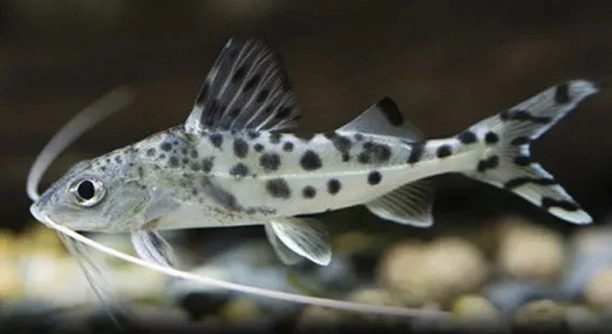
Pictus catfish are popular aquarium pets known for their peaceful nature and striking appearance. They thrive best when their environment includes safe places to hide. Many fish owners look for simple ways to create cozy shelters for these bottom dwellers.
Creating easy DIY hides for pictus catfish involves using accessible materials like PVC pipes, rocks, and driftwood arranged to mimic natural shelters. These hides offer security, reduce stress, and encourage natural behavior, improving the fish’s overall well-being in captivity.
These simple hide ideas can help you make your aquarium a more comfortable home for your catfish. Learning how to build these shelters can improve their happiness and health over time.
Simple PVC Pipe Hide
PVC pipes are easy to find and work well as hides for pictus catfish. You can cut a pipe into small sections and place them in the aquarium. The smooth surface won’t hurt the fish, and the hollow space offers a perfect retreat. Catfish like places where they feel safe and can rest during the day. Make sure the pipe pieces are large enough for your fish to enter without getting stuck. You can also stack or arrange them to create tunnels or caves, adding variety to the tank. It’s a low-cost option that doesn’t require much effort, yet it greatly benefits your fish by giving them a comfortable hiding spot.
Using PVC hides helps reduce stress and keeps your pictus catfish calm. These structures are simple but effective in creating a better habitat.
Many fish owners have found that using PVC pipes encourages natural behaviors. The catfish feel more secure and are less likely to hide out in awkward places. PVC pipe hides can be decorated with aquarium-safe plants or stones to blend in with the tank’s design. Regular cleaning is important to prevent buildup inside the pipes, keeping the environment healthy for your fish.
Driftwood Caves
Driftwood is a natural material that works well as a hide for pictus catfish. It creates shaded areas and cozy spots where the fish can rest safely.
Driftwood also helps balance the water’s pH, which benefits the overall tank environment.
When choosing driftwood, select pieces that are smooth and free of sharp edges to avoid injuring your fish. Soak the wood for several days before adding it to the tank to remove tannins that could discolor the water. Driftwood hides come in many shapes and sizes, allowing you to create a natural-looking habitat. Position the wood so it forms caves or overhangs where your catfish can retreat. This also adds interest to the aquarium and makes it feel more like their natural environment. Driftwood can be combined with other elements like rocks or plants to provide multiple hiding spots, which helps reduce aggression and stress among tank mates. Overall, driftwood caves are an excellent way to improve the comfort and health of your pictus catfish.
Rock Pile Hide
Rocks can be stacked to form caves or crevices for pictus catfish to hide in. Make sure to use aquarium-safe rocks that won’t change water chemistry or have sharp edges. Stability is important to prevent collapsing.
Arrange rocks carefully to create a stable structure with openings large enough for your catfish to swim through. Avoid stacking too high or loosely, as this can be dangerous if the rocks fall. Using flat rocks at the base helps with stability. Rock piles mimic natural riverbeds where pictus catfish often hide among stones and crevices. Adding some smooth gravel around the pile enhances the natural look and provides extra texture for the fish to explore. Regularly check the structure to ensure it remains safe and secure.
When cleaning, gently rinse the rocks to avoid disturbing beneficial bacteria living on them. A rock pile hide offers a sturdy and natural shelter that makes your pictus catfish feel secure. It also adds visual interest and variety to your aquarium’s layout, making it more engaging to watch.
Coconut Shell Hide
Coconut shells are a popular choice for DIY fish hides. They are naturally hollow and provide a cozy space for your pictus catfish to rest and hide. Coconut shells are inexpensive and easy to prepare.
Before placing in the tank, rinse the shell thoroughly and remove any loose fibers. Soaking it for a day can help prevent floating. Break or cut the shell in half to create a cave-like shape. Smooth any rough edges to protect your fish from injury. Coconut shells blend well with plants and natural decorations, creating a warm, tropical vibe in your aquarium. You can even stack a few shells or combine them with driftwood for a more complex hideout.
The hard surface of the coconut shell won’t degrade easily and can last a long time underwater. This makes it a low-maintenance hiding option. Pictus catfish often seek out these tight, dark spaces because they feel safe and hidden from other fish or bright tank lights. Using coconut shells is a simple, natural method to improve your fish’s environment and encourage natural behaviors like resting and exploring.
Clay Pot Hide
Clay pots make excellent hides for pictus catfish. They are easy to find and can be placed upside down to create caves. Make sure the pot is clean and free of chemicals before adding it to the tank.
A broken or cut clay pot can also create smaller openings. This allows your fish to explore different-sized spaces, giving them options for hiding or resting spots.
PVC Tunnel Hide
PVC tunnels provide secure, customizable hiding spots. Cut the pipes to the right size for your fish and arrange them horizontally or at angles. Smooth any sharp edges to keep your catfish safe. You can connect multiple tunnels for a fun maze-like hideout that encourages natural exploration and reduces stress.
Plant Cover Hide
Dense aquarium plants create natural hiding places. Pictus catfish feel safe among thick leaves and roots, which offer shade and shelter. Plants also improve water quality by absorbing nitrates, making your tank healthier overall.
FAQ
How do I make sure my DIY hides are safe for pictus catfish?
Always use smooth materials without sharp edges to prevent injury. Rinse all items thoroughly before placing them in the tank to remove dust or chemicals. Avoid materials that can leach harmful substances or change the water’s pH. Stability is important too—make sure hides are secure and won’t collapse or trap your fish.
Can pictus catfish use multiple hides at once?
Yes, pictus catfish enjoy having several hiding spots to choose from. Offering different types and sizes of shelters helps reduce stress and allows them to pick places based on their mood or tank activity. It also decreases competition with other fish by spreading out hiding areas.
How often should I clean the hides?
Clean hides every two to four weeks or when you notice algae buildup or debris. Use warm water and a soft brush; avoid soap or harsh chemicals. Cleaning keeps hides safe and prevents harmful bacteria growth while preserving beneficial bacteria.
Are natural hides better than synthetic ones?
Natural hides like driftwood and coconut shells often provide better water quality benefits and mimic the fish’s natural environment. Synthetic hides like PVC pipes can be easier to clean and arrange. Both types are good when chosen and maintained properly.
Can pictus catfish hide too much?
Pictus catfish are naturally shy and may spend a lot of time in hides, especially during daylight. Excessive hiding can signal stress, poor water conditions, or tank mates that disturb them. Check water quality and compatibility if hiding seems excessive.
What size should hides be for pictus catfish?
Hides should be big enough for your catfish to swim in comfortably without feeling squeezed. For adult pictus catfish, tunnels or caves should be at least 3-4 inches wide, depending on the fish’s size. Smaller openings can cause injury or stress.
Can I use aquarium-safe glue to secure hides?
Yes, aquarium-safe silicone glue is fine for holding rocks or decorations together. Make sure the glue is fully cured before introducing fish to avoid chemical exposure. Avoid any non-aquarium-safe adhesives as they can be toxic.
Do pictus catfish need hiding spots at night?
While pictus catfish are mostly nocturnal and active at night, they still use hides to rest during the day. Having secure spots helps them feel safe when they are less active, promoting better health and reducing stress.
How do hides affect tank maintenance?
Hides can make cleaning harder if debris collects inside. Choose designs that allow easy access or remove hides for cleaning. Proper maintenance helps prevent ammonia buildup and keeps the tank environment healthy for all fish.
Can other fish use pictus catfish hides?
Yes, many tank mates will share or use the same hiding spots. It’s helpful to provide multiple hides so all fish have access. Some fish may compete for hides, so observe interactions and adjust hides if needed to reduce aggression.
Final Thoughts
Creating easy DIY hides for pictus catfish is a simple way to improve their comfort and well-being in your aquarium. These fish naturally seek out places to hide, and providing them with safe shelters helps reduce stress and encourages natural behavior. Using materials like PVC pipes, driftwood, rocks, clay pots, and coconut shells makes building hides affordable and easy. Each type of hide offers different benefits, such as mimicking natural habitats or adding visual interest to the tank. When you set up these hiding spots thoughtfully, you create a better environment for your catfish to feel secure and relaxed.
It is important to remember that safety and cleanliness are key when using any DIY hides. Always check for sharp edges and make sure the materials are aquarium-safe. Regular cleaning of hides prevents buildup of algae or harmful bacteria, which can affect the health of your fish. Stability also matters, especially when stacking rocks or arranging multiple pieces. A well-secured hide will not only protect your fish but also make your aquarium easier to maintain. By paying attention to these details, you can enjoy a beautiful and healthy tank where your pictus catfish thrive.
Finally, offering a variety of hides is beneficial because pictus catfish appreciate having options. Different hiding places can reduce competition among tank mates and give your fish places to explore or retreat. Plants, tunnels, caves, and rock piles all add layers of shelter and shade, which contribute to a calm and natural setting. When your pictus catfish feel safe, they tend to be more active and show their true colors. Providing DIY hides is a rewarding way to support your fish’s needs while also making your aquarium more enjoyable to watch.

Hello,
If you enjoy the content that we create, please consider saying a "Thank You!" by leaving a tip.
Every little bit helps us continue crafting quality advice that supports the health, happiness, and well-being of pets around the world, for pets of all shapes, sizes, and species.
We really appreciate the kindness and support that you show us!