
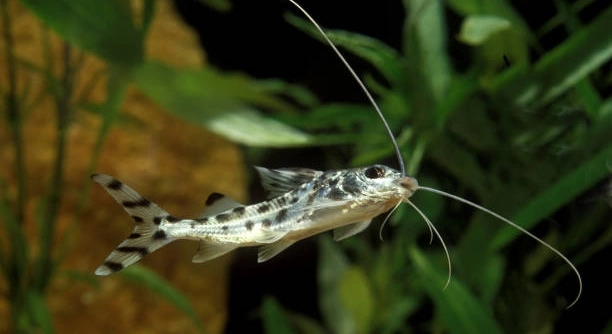
Is your Pictus catfish showing signs of stress or unusual behavior that seems hard to explain? A small tank might be the reason behind these changes, even if everything else seems fine in your setup.
A tank that is too small for a Pictus catfish can lead to stress, aggression, poor water quality, and health problems. These fish are active swimmers and need ample space to thrive and express their natural behaviors.
From erratic swimming to constant hiding, understanding the signs of a cramped environment can help you make better choices for your catfish’s well-being.
Constant Hiding and Restlessness
Pictus catfish are naturally curious and active swimmers. If they spend most of their time hiding or seem overly restless, it could be a sign the tank is too small. In cramped spaces, they don’t feel secure and lack the room they need to explore. This can lead to stress, which weakens their immune system and increases the chances of illness. While occasional hiding is normal, constant hiding paired with skittish behavior usually points to something being off. Restlessness—like darting quickly back and forth or bumping into decorations—is also common in tanks that are too tight. They might appear as if they’re searching for a way out. This behavior can escalate over time and even cause injuries. A larger tank with more open swimming space and properly placed hiding spots can significantly reduce these stress signals and help your Pictus catfish feel more at ease.
A small tank limits their space and creates tension, especially when other tank mates are around.
If your fish doesn’t seem to settle down, or only comes out when the lights are off, you may be dealing with an overcrowded environment. A tank upgrade with better layout and hiding spots can quickly improve their comfort.
Poor Water Quality and Aggression
Over time, waste builds up quickly in a tank that’s too small for a Pictus catfish, making it hard to keep the water clean and stable.
These catfish are messy eaters and produce a noticeable amount of waste, especially when kept in groups. In a small tank, there isn’t enough water volume to buffer sudden changes in ammonia, nitrite, or nitrate levels. This means water conditions can swing fast, often before you have time to react. Poor water quality affects their gills, causes stress, and opens the door for diseases. You might notice cloudy water, unusual smells, or rapid breathing in your fish. Along with health issues, limited space can trigger aggressive behavior—especially if there are other active or bottom-dwelling fish present. Pictus catfish might chase others more or become territorial in tight areas. Adding more space helps reduce this stress and makes it easier to maintain stable water conditions. A strong filter is still important, but it can’t replace the benefits of a properly sized tank.
Rapid Growth and Outgrowing the Tank
Pictus catfish grow faster than many people expect, especially in the first year. A tank that seemed fine at first can quickly become too small as they gain size and strength.
These fish can reach up to five inches or more and need plenty of swimming room. When kept in tight quarters, they may appear cramped, struggle to turn comfortably, or swim less than usual. A lack of space can stunt their growth and cause long-term health problems. Even if they don’t stop growing completely, they might develop a weaker immune system or appear dull in color. Giving them more room allows them to swim naturally and helps their bodies grow at a healthy pace. Tank upgrades aren’t just about comfort—they’re about supporting their physical development.
Keeping them in a tank smaller than 55 gallons may work temporarily, but it won’t support them for long. As they grow, their energy levels increase and they need more space to stay active and healthy. A cramped tank can lead to frustration, which affects how they interact with other fish. It also means water quality becomes harder to manage as their waste output rises. A tank that matches their full-grown size helps prevent these problems before they start.
Lack of Oxygen and Gasping at the Surface
Pictus catfish need clean, oxygen-rich water to stay healthy. A small tank often struggles to provide enough surface area and circulation, especially if it’s overcrowded.
When oxygen runs low, you might see your catfish swimming near the surface or gasping for air. This behavior means they’re not getting enough oxygen through their gills. It can also lead to sluggishness and poor appetite. In a small tank, it’s harder to maintain good circulation and proper gas exchange. Adding air stones or boosting filter output may help temporarily, but these are just short-term fixes. The real issue is lack of space. More water volume means more surface area and better oxygen levels overall. If gasping becomes a regular sight, upgrading the tank should be your next step.
An undersized tank with too many fish creates a cycle of poor water flow and low oxygen. Pictus catfish are active and need oxygen-rich water to match their energy. When there’s not enough, they become stressed and more vulnerable to illness. Even if you clean regularly, the space just isn’t enough to support them. Giving them a larger tank doesn’t just add comfort—it provides the steady oxygen levels they need every day.
Injury from Decorations or Glass
When space is limited, Pictus catfish are more likely to bump into decorations or tank walls while swimming. Their fast movements make injuries more common in cramped tanks with sharp or overcrowded decor.
Scratches on their bodies or damaged barbels are signs they’re navigating through tight, unsafe spaces too often.
Limited Swimming Space
Pictus catfish are natural swimmers that prefer long stretches of open water. A small tank restricts their movement, forcing them to circle in tight paths or stay in one corner. This kind of confinement affects their behavior and overall mood. You might notice them becoming less active, losing interest in food, or hiding more often. Their energy needs space, and when they can’t swim freely, it adds unnecessary stress. Decorations and tank mates also take up space, reducing the swimming room even further. A longer tank layout helps give them the movement they crave, which supports both their health and behavior.
Unusual Sleeping Patterns
In a cramped tank, these catfish often sleep less or in awkward positions. They may rest near the surface or stay motionless for longer than usual.
How do I know if my Pictus catfish needs a bigger tank?
If your Pictus catfish shows signs like constant hiding, restlessness, or injuries from bumping into tank decorations, it’s likely the tank is too small. Other signs include poor water quality, aggressive behavior, and gasping at the surface for air. You may also notice they stop growing properly or seem less active than usual. A tank smaller than 55 gallons often won’t meet their needs as they grow. Watching their behavior carefully can help you decide when it’s time to upgrade.
What is the minimum tank size recommended for Pictus catfish?
The minimum tank size for a single Pictus catfish is generally 55 gallons. This gives them enough swimming space and helps maintain stable water conditions. If you plan to keep a small group, you’ll need an even larger tank to accommodate their active nature and waste output. A tank that is too small can cause stress and health issues, so it’s better to choose a tank size with room to grow.
Can a small tank cause health problems for Pictus catfish?
Yes, small tanks can cause several health problems. Poor water quality from waste buildup affects their gills and immune system. Stress from lack of space can weaken their defenses, making them prone to infections and diseases. Injuries from bumping into decorations can also open the door for infections. Keeping them in an adequately sized tank helps reduce these risks and supports better overall health.
How often should I clean the tank to prevent problems in a smaller tank?
In smaller tanks, water quality deteriorates faster, so frequent water changes are essential. Weekly partial water changes of 20-30% help remove toxins and keep the environment safe. Regular filter maintenance is also important. However, cleaning alone can’t solve space issues. If your Pictus catfish shows stress signs despite good water maintenance, consider a larger tank.
What are common behaviors that show a Pictus catfish is unhappy with tank size?
Common behaviors include hiding constantly, darting nervously around the tank, gasping at the surface, and aggression toward tank mates. They may also swim awkwardly or bump into decorations often. Changes in appetite or resting in unusual spots can also signal discomfort. These behaviors often indicate the tank is too small and the fish needs more space to feel secure.
Can tank decorations affect the well-being of Pictus catfish in a small tank?
Yes, overcrowded decorations in a small tank limit swimming space and increase the risk of injury. Sharp or rough decorations can cause scratches and damage their sensitive barbels. It’s best to keep decorations minimal and smooth, allowing plenty of open water for swimming. Proper tank design can improve their comfort even if the tank size is limited temporarily.
Is it okay to keep multiple Pictus catfish in one tank?
Pictus catfish are social and usually do better in groups of at least three. However, this requires a much larger tank, ideally 75 gallons or more. Keeping several catfish in a small tank causes overcrowding, stress, and poor water quality. Always plan for enough space before adding multiple fish to prevent these problems.
What can I do if I cannot upgrade to a larger tank immediately?
If upgrading isn’t possible right away, focus on maximizing water quality with more frequent water changes and better filtration. Reduce tank decorations to create more swimming space. Limit the number of tank mates to reduce stress and waste. Providing hiding spots that don’t crowd the tank can help too. Keep an eye on your catfish’s behavior and be ready to upgrade as soon as you can.
How does tank size affect the oxygen levels for Pictus catfish?
Larger tanks provide more surface area for gas exchange, which helps keep oxygen levels steady. Small tanks have less surface area, so oxygen can become limited, especially if crowded. This causes gasping behavior and stress. Increasing tank size improves oxygen availability, supporting the catfish’s active lifestyle and overall health.
What signs show that Pictus catfish are stressed due to tank size?
Stress signs include erratic swimming, frequent hiding, loss of appetite, aggression, and unusual resting patterns. Physical signs like damaged barbels or dull coloration can also appear. These indicate the fish is struggling with its environment, often because the tank is too small to meet its needs. Addressing tank size early helps prevent long-term damage.
When keeping Pictus catfish, tank size is one of the most important factors to consider. These fish are active swimmers and need plenty of space to move around freely. A small tank can cause stress, health problems, and unusual behavior that might be hard to understand at first. Watching your catfish closely for signs like hiding too much, restlessness, or injuries can help you realize when it is time to think about upgrading their home. Choosing the right tank size from the beginning helps avoid many of these issues and supports the fish’s long-term well-being.
Water quality is closely linked to tank size. In a small tank, waste builds up quickly and makes it harder to keep the water clean and healthy. Pictus catfish produce a fair amount of waste, so a tank that is too small will see rapid changes in water chemistry. This can affect their breathing, make them more vulnerable to illness, and cause stress. While good filtration and regular cleaning are essential, they cannot fully make up for a tank that is too small. A larger tank with more water volume offers more stable conditions, better oxygen levels, and gives your fish a healthier environment to live in.
Finally, upgrading the tank when your Pictus catfish outgrows their current space is an important step to support their natural behavior and growth. A tank that is too small limits their ability to swim, explore, and interact with other fish. It can also lead to aggression and competition for space. Giving them enough room not only improves their mood and energy but also helps them grow properly and stay strong. Taking care of these needs is a key part of being a responsible fish keeper and helps your catfish live a longer, happier life.

Hello,
If you enjoy the content that we create, please consider saying a "Thank You!" by leaving a tip.
Every little bit helps us continue crafting quality advice that supports the health, happiness, and well-being of pets around the world, for pets of all shapes, sizes, and species.
We really appreciate the kindness and support that you show us!