
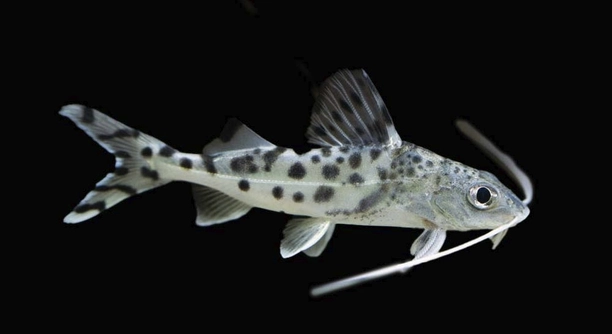
Is your pictus catfish lying still at the bottom of the tank or hiding for longer than usual? You’re not alone in noticing this kind of behavior and wondering what it might mean for your fish.
A pictus catfish may stop moving due to stress, poor water quality, illness, or changes in its environment. Checking tank conditions, water parameters, and observing for any signs of disease can help identify the cause quickly.
Understanding the reasons behind this behavior can help you take the right steps to support your fish’s health and comfort in the tank.
Common Reasons Your Pictus Catfish Is Not Moving
A pictus catfish might stop moving for several reasons, and it’s important to notice the signs early. Poor water quality is often the first thing to check. These fish are very sensitive to ammonia, nitrite, and nitrate levels. Even small changes in water parameters can affect their energy and movement. Illness or parasites can also cause them to stay still. If your fish looks pale, has torn fins, or shows unusual spots or swelling, it could be sick. Stress is another factor. Loud noises, sudden tank changes, or aggressive tank mates can make your pictus catfish hide or freeze. Lastly, changes in water temperature or oxygen levels may cause low activity. If the water gets too cold or too warm, your fish might not feel comfortable swimming. Always make sure your tank is properly maintained with regular checks and stable conditions to avoid these issues from starting.
Sometimes, they’re just resting. Pictus catfish are more active at night and may hide during the day.
If your tank lights are too bright or there’s not enough hiding space, they may stay still to feel safer. Adding dim lighting and more shelter can often help.
What to Check First in Your Aquarium
Begin by testing your water parameters using a reliable test kit. Ammonia and nitrite levels should always be at zero.
If your pictus catfish is inactive, focus on a few important areas right away. Check the water temperature—it should be around 75 to 81°F (24 to 27°C). Also, make sure the filter is running well and there’s enough water movement to keep oxygen levels steady. If there’s a strong chemical smell or the water looks cloudy, that’s a clear warning sign. Clean the tank and perform a partial water change. Next, look at the tank setup. Pictus catfish need space to swim, low lighting, and plenty of hiding spots. Sharp decorations or overcrowding can cause stress. Observe the other fish too—if any are bullying or chasing your pictus catfish, they may be the cause of its behavior. A calm, stable environment is key to keeping this species active and healthy. Making small, regular adjustments will help prevent problems in the future.
How to Tell If Your Pictus Catfish Is Sick
Watch for signs like cloudy eyes, pale coloring, clamped fins, or small white spots. If your fish is staying in one place for hours or avoiding food, these could also point to an underlying health issue.
A sick pictus catfish may start hiding more, swim less, or stay close to the bottom of the tank. You might notice it breathing faster or struggling to stay upright. If the gills look red or inflamed, or if there’s white fuzz or open sores on its body, it could be suffering from a bacterial or fungal infection. Quarantine the fish if you see any of these changes. This helps prevent the illness from spreading and gives you time to treat it properly. Use medications only after checking what the condition is. Adding aquarium salt can sometimes help with minor infections or stress-related issues.
Loss of appetite is another common symptom. If your pictus catfish skips feeding time for more than two days, it’s a sign something is wrong. Check if the food is sinking properly, as floating food often goes untouched. Try offering bloodworms or sinking pellets to see if it responds. If not, the fish may need treatment for internal parasites or other digestive issues.
Steps to Help Your Pictus Catfish Recover
Start with a partial water change, around 25%, using dechlorinated water at the same temperature. Clean the filter if needed, but avoid replacing all the media at once to keep the beneficial bacteria.
If your pictus catfish is stressed or sick, improving water quality is the first and most important step. Maintain steady water conditions and keep ammonia and nitrite levels at zero. Dim the tank lights to lower stress, and add more hiding places using driftwood or PVC pipes. If the fish is alone, try to create a peaceful space. If it’s with others, watch for signs of aggression. Offer high-quality, protein-rich foods like frozen bloodworms or sinking shrimp pellets to encourage eating. Avoid overfeeding and remove any leftovers. Monitor your fish daily. If things don’t improve within a few days, consider using aquarium salt or a targeted medication depending on the symptoms. Patience is key—fish often take time to bounce back once conditions improve.
When to Move Your Pictus Catfish to a Hospital Tank
If your pictus catfish shows signs of infection, parasites, or injury, move it to a separate hospital tank. This helps prevent the spread of illness and allows for closer observation and easier treatment with medication.
Use a small, bare-bottom tank with a heater, sponge filter, and clean, conditioned water. Match the temperature and pH to the main tank to avoid added stress.
Why Resting Doesn’t Always Mean Something Is Wrong
Pictus catfish are naturally more active at night and often rest during the day. If your fish is still but shows no signs of illness, it may simply be relaxing. This is especially common after eating or if the tank lighting is bright.
What Not to Do When Your Fish Stops Moving
Avoid making sudden changes like large water swaps or adding medications too quickly. This can stress your fish further and delay recovery.
FAQ
Why is my pictus catfish staying in one spot for hours?
This is common when your fish is stressed or tired. Pictus catfish often rest during the day, especially if they’ve been active at night. However, if it stays in one spot for too long and doesn’t respond to food or movement, something might be off. Check water quality first.
Can bright lights make my pictus catfish stop moving?
Yes, strong lighting can cause stress and make your pictus catfish hide or stay still. These fish prefer dim lighting or shaded areas. If your tank lights are too harsh, try adding floating plants or adjusting the brightness to help your fish feel more secure.
Should I be worried if my pictus catfish skips a meal?
Not always. Skipping one meal isn’t a problem. But if it continues for more than two or three days, start checking for other symptoms like bloating, weight loss, or odd swimming behavior. Sometimes they’re just full, but appetite loss can also signal health issues.
Can poor water flow cause my fish to stop moving?
Yes, low oxygen from poor water flow can lead to reduced movement. Pictus catfish need well-oxygenated water. If the filter is weak or clogged, or if the tank feels too still, it’s a good idea to increase flow with an airstone or better filter setup.
What temperature is best for pictus catfish?
Keep the tank between 75°F and 81°F (24°C to 27°C). Anything lower may slow them down, while higher temperatures can stress them out or lower oxygen levels. Use a reliable heater and thermometer to keep things stable. Sudden changes can affect their energy.
How do I know if my pictus catfish is just hiding?
If it swims quickly when startled or comes out at feeding time, it’s likely just hiding. They’re shy fish that enjoy cover and shadowy spots. If you can’t find it, check behind decorations or inside caves—it’s probably resting or avoiding bright light.
What should I feed my pictus catfish to keep it active?
They enjoy a mix of protein-rich foods like bloodworms, brine shrimp, and sinking pellets. Feed at night or during low light, since they’re most active then. A healthy diet supports their energy levels, immune system, and overall behavior. Rotate foods for better nutrition.
Can tank mates cause a pictus catfish to stop moving?
Yes. Aggressive or overly active tank mates can make them feel threatened. If your fish is being chased or nipped at, it may hide or freeze to avoid interaction. Choose peaceful tank mates that give them space and keep similar tank conditions.
Is it okay to use salt in the tank when my fish is sick?
Aquarium salt can help with mild stress or infections, but it’s not always necessary. Use it carefully and only in a separate tank if other species in the main tank are sensitive. Always follow the dosage instructions and observe how your fish reacts.
How long does it take for a pictus catfish to recover after getting sick?
Recovery time depends on the problem and how early it’s treated. Some fish start feeling better within a few days after water changes and proper care. Others may need a week or more. Keep the tank stable and be patient. Watch for signs of progress.
Is it safe to treat the entire tank if only one fish is sick?
It’s better to move the sick fish to a hospital tank unless more fish start showing symptoms. This prevents unnecessary stress or harm to healthy tank mates. Treating the main tank should be a last resort if the illness seems to be spreading.
Why does my pictus catfish hide all day and only come out at night?
That’s normal for this species. They’re nocturnal and prefer to explore when the lights are off or dim. During the day, they often stay hidden in caves or under decorations. It’s just their natural behavior, not something to worry about.
Final Thoughts
Keeping a pictus catfish healthy and active takes attention to detail. These fish are sensitive to their environment and often react quickly when something isn’t right. If your pictus catfish stops moving, it doesn’t always mean there’s a serious problem. Sometimes they’re just resting or adjusting to their surroundings. But if the behavior continues or is paired with other symptoms, it’s important to act. Start by checking water temperature, ammonia, nitrite, and nitrate levels. Even a small shift in water quality can affect their behavior. Staying consistent with tank maintenance helps prevent many issues before they begin.
It also helps to understand their normal habits. Pictus catfish are more active at night and often hide during the day. This is natural and doesn’t mean they’re unwell. Still, knowing what’s normal makes it easier to notice when something is off. If your fish seems weaker, avoids food, or starts showing signs of stress or sickness, don’t ignore it. A hospital tank can give your fish a quiet space to recover without outside pressure from other tank mates. Adding hiding spots, keeping lights low, and offering the right food can also support recovery and reduce stress. Small steps like these can make a big difference.
Observing your pictus catfish regularly helps you catch changes early. Fish don’t have many ways to show discomfort, so stillness is often the first sign of a problem. Taking time to monitor your tank daily—even just for a few minutes—can help you stay ahead of any issues. Over time, you’ll become familiar with your fish’s usual behavior and routine. That makes it easier to care for them and build a tank that supports their needs. Every tank is different, and each fish has its own personality, but with patience and attention, your pictus catfish can stay happy, healthy, and active for a long time.

Hello,
If you enjoy the content that we create, please consider saying a "Thank You!" by leaving a tip.
Every little bit helps us continue crafting quality advice that supports the health, happiness, and well-being of pets around the world, for pets of all shapes, sizes, and species.
We really appreciate the kindness and support that you show us!