
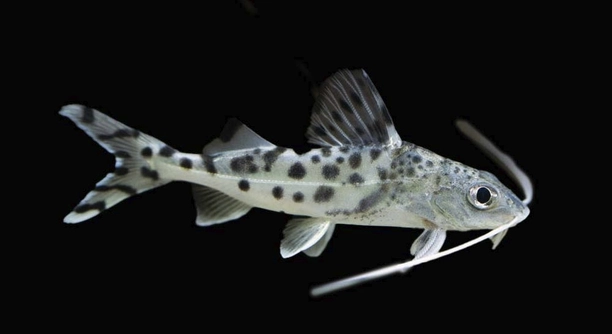
Many fish owners enjoy keeping pictus catfish because of their peaceful nature and unique appearance. These small, active fish need a calm environment to feel comfortable. Providing the right conditions helps them thrive in home aquariums.
Ensuring pictus catfish feel safe involves creating a quiet tank with hiding spots, stable water parameters, gentle lighting, and minimal disturbance. These factors reduce stress and support natural behaviors, promoting health and well-being in the aquarium.
Learning how to create a secure space for your pictus catfish will improve their quality of life and your enjoyment as a fishkeeper.
Provide Plenty of Hiding Spots
Pictus catfish feel safer when they have places to hide. In their natural habitat, they use rocks, plants, and wood to stay protected from predators. You can recreate this in your aquarium by adding caves, driftwood, or dense plant clusters. These hiding spots give your catfish a sense of security and a place to rest. It also helps reduce stress, which can improve their health and behavior. Avoid overcrowding the tank with decorations, though, as they still need enough swimming space. Use smooth materials without sharp edges to prevent injuries. Changing the layout occasionally can keep their environment interesting but try to keep some familiar spots consistent to maintain their comfort. Remember, shy fish like pictus catfish often appreciate quiet areas where they can retreat when feeling threatened or during nighttime.
Hiding places help pictus catfish feel safe and less stressed. This leads to better health and natural behavior.
Adding caves and plants to your tank not only offers shelter but encourages natural habits like exploring and resting in quiet corners. Creating a balanced environment with hiding spots and open areas supports their well-being and makes your aquarium more enjoyable to watch.
Keep Water Conditions Stable
Maintaining stable water conditions is crucial for pictus catfish health. Sudden changes in temperature, pH, or ammonia levels can stress them out and make them vulnerable to illness. These fish prefer temperatures between 72°F and 78°F, a pH of 6.5 to 7.5, and clean, well-filtered water. Regular testing helps you catch any shifts before they cause problems. Performing partial water changes every week keeps toxins low and oxygen levels high. Avoid overfeeding to reduce waste buildup. When introducing new tankmates or plants, quarantine them first to prevent disease. Consistency in water quality allows pictus catfish to thrive, showing more natural behavior and vibrant coloring. Keeping an eye on these details takes a little effort but is essential for a healthy aquarium.
Stable water conditions reduce stress and keep pictus catfish healthy and active.
Regular water tests and maintenance create a safe environment that helps your fish feel comfortable and confident in their home.
Use Gentle Lighting
Pictus catfish prefer dimmer lighting as bright lights can make them nervous. Soft, indirect light mimics their natural environment and helps them feel secure.
Providing low to moderate lighting encourages natural activity and reduces stress. You can use floating plants or adjustable aquarium lights to control brightness. Avoid placing the tank where direct sunlight hits it, as this can cause sudden glare and increase algae growth. Gentle lighting also supports plant health without overwhelming your fish.
Using timers for lights creates a consistent day-night cycle, which is important for pictus catfish. Sudden changes in light can startle them, so gradual transitions are better. This balance helps your catfish maintain a calm, natural routine.
Minimize Noise and Vibrations
Loud noises and vibrations outside the aquarium can startle pictus catfish, causing stress or hiding behavior. Keeping the tank in a quiet area helps them feel safe and relaxed.
Avoid placing the aquarium near heavy foot traffic, loud appliances, or speakers. Sudden bangs or vibrations can disrupt their environment and lead to health issues over time. Using a sturdy stand also reduces shaking from accidental bumps. Regularly checking for sources of vibration near the tank ensures a stable setting for your fish.
Reducing noise and vibrations creates a peaceful space that supports natural behaviors. This calm environment lets your pictus catfish explore confidently without constant fear or disturbance, improving their overall well-being.
Maintain Proper Tank Size
A spacious tank reduces stress for pictus catfish. They need room to swim freely and explore without feeling crowded.
A minimum of 30 gallons is recommended for a small group. Larger tanks provide better water stability and comfort, allowing natural behavior to flourish.
Feed a Balanced Diet
Pictus catfish are omnivores that need varied food to stay healthy. Offer sinking pellets, live or frozen foods like bloodworms, and occasional vegetable matter. Feeding small amounts twice daily helps prevent overfeeding and maintains water quality.
Avoid Aggressive Tankmates
Pictus catfish do best with peaceful fish. Aggressive species may bully or stress them, affecting their health. Choose calm, compatible fish to create a balanced community tank.
Keeping a peaceful environment supports your catfish’s safety and well-being.
FAQ
How often should I clean the tank to keep pictus catfish safe?
Regular tank cleaning is important for pictus catfish safety. Perform a partial water change of about 20-30% every week to remove waste and toxins. Clean the substrate gently to avoid disturbing beneficial bacteria. Also, check and maintain your filter regularly to keep water clear and healthy. Avoid deep cleaning all at once, as sudden changes can stress your fish.
What type of substrate is best for pictus catfish?
Soft, smooth substrates like sand or fine gravel work best. These materials prevent injury to their delicate barbels and allow natural foraging behavior. Rough or sharp substrates can harm their sensitive whiskers, leading to infections. A gentle substrate also makes it easier for them to dig and search for food safely.
Can pictus catfish live with other fish species?
Yes, pictus catfish can live peacefully with many calm, non-aggressive fish. Ideal tankmates include small tetras, rasboras, and peaceful gouramis. Avoid large or aggressive species that might bully or outcompete them for food. A balanced community tank provides stimulation without causing stress or injury.
What signs show that my pictus catfish feels stressed or unsafe?
Common signs include hiding excessively, loss of appetite, clamped fins, or erratic swimming. Pale or faded coloration and scratching against objects may also indicate stress. If you notice these behaviors, check water quality and tank conditions to identify possible causes and make adjustments promptly.
How much space do pictus catfish need in a tank?
A minimum of 30 gallons is recommended for a small group of pictus catfish. These fish are active swimmers and prefer space to explore. Larger tanks help maintain stable water parameters and reduce territorial disputes. More space generally leads to healthier, less stressed fish.
What are the best foods to feed pictus catfish?
They thrive on a varied diet including sinking pellets, live or frozen bloodworms, brine shrimp, and occasional vegetables like blanched zucchini. Avoid overfeeding to maintain water quality. Feeding small amounts twice a day is sufficient to keep them healthy and active.
Is it necessary to have plants in a pictus catfish tank?
While not required, live plants provide additional hiding places and help maintain water quality. Plants create a more natural and secure environment, which reduces stress. Floating plants can also help soften lighting, which pictus catfish prefer.
How can I reduce stress caused by lighting?
Use dim or indirect lighting to mimic their natural habitat. Adding floating plants or adjusting the light intensity helps. Avoid placing the tank in direct sunlight or under very bright artificial lights. Consistent lighting schedules with gradual on/off transitions support their daily rhythms.
What temperature range is best for pictus catfish?
They prefer water temperatures between 72°F and 78°F. Keeping the temperature stable within this range reduces stress and supports their immune system. Use an aquarium heater with a reliable thermostat to avoid sudden temperature swings.
How can I safely introduce new fish to a tank with pictus catfish?
Quarantine new fish for at least two weeks before adding them to the main tank. This helps prevent disease transmission. Introduce new fish slowly and monitor interactions closely to ensure the pictus catfish do not get stressed or bullied. Adding new tankmates during feeding times may help ease the transition.
Providing a safe and comfortable environment for pictus catfish is key to their health and happiness. These fish rely on a calm tank with hiding places, stable water conditions, and gentle lighting to feel secure. When their needs are met, they show more natural behaviors like exploring and resting peacefully. It takes some effort to maintain these conditions, but the benefits are clear. A well-cared-for pictus catfish is more active, less stressed, and better able to resist disease. Creating a balanced aquarium that meets these needs makes keeping pictus catfish rewarding.
Maintaining proper water quality is especially important. Regular water changes, monitoring parameters like temperature and pH, and avoiding overcrowding all help keep the tank environment stable. Stress caused by poor water quality can weaken a fish’s immune system and cause health problems. By keeping the tank clean and stable, you provide your pictus catfish with a safe space where they can thrive. Other factors like reducing noise, minimizing vibrations, and choosing peaceful tankmates also play a role in creating a stress-free home. Paying attention to these details is essential for their long-term well-being.
Feeding a balanced diet and offering enough space are additional ways to support pictus catfish safety. These fish enjoy varied foods that include both protein and plant matter. Overfeeding should be avoided to prevent water quality issues. A tank of at least 30 gallons gives them room to swim comfortably without feeling crowded. When all these conditions come together, your pictus catfish can live a healthy and happy life. Taking the time to understand and meet their needs not only benefits the fish but also makes the experience of keeping them more enjoyable.

Hello,
If you enjoy the content that we create, please consider saying a "Thank You!" by leaving a tip.
Every little bit helps us continue crafting quality advice that supports the health, happiness, and well-being of pets around the world, for pets of all shapes, sizes, and species.
We really appreciate the kindness and support that you show us!