
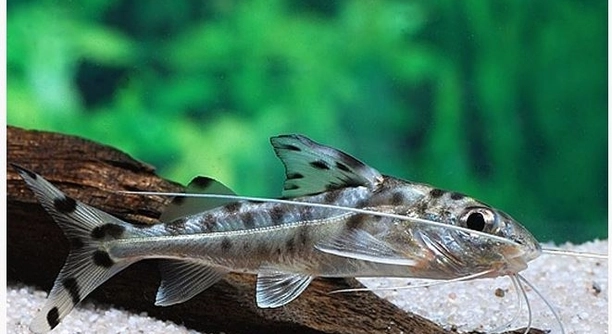
Have you ever stood in front of an aquarium display, amazed by the sleek, fast-moving Pictus Catfish, and thought about taking one home? Their playful nature and silver glow can easily catch anyone’s eye.
Buying a Pictus Catfish requires thoughtful planning, as their specific needs and behaviors may not suit every aquarium setup or fishkeeper’s experience level. Considering a few key questions first can help prevent common issues and disappointments.
From tank size and water quality to behavior and compatibility, these factors will help guide your decision and support a healthy environment.
Is your tank big enough for a Pictus Catfish?
Pictus Catfish are active swimmers and need space to move around freely. A small tank will stress them out and limit their natural behavior. For one fish, a minimum tank size of 55 gallons is recommended. They are fast, often darting across the tank, so length and horizontal space matter more than height. These fish also do better in groups, which means even larger tanks are needed if you want more than one. Tight spaces can cause aggression or health issues over time. It’s important to think about their long-term needs before setting up a tank.
A small tank may seem fine at first, but Pictus Catfish grow quickly and need room to thrive.
If your current setup can’t accommodate their size and activity level, it’s better to wait until you can upgrade. A properly sized tank makes it easier to maintain water quality and reduces stress for the fish. It also gives you more room to add hiding spots and decorations, which Pictus enjoy. You don’t want to limit them or risk injury from hitting tank walls. A bigger tank doesn’t just mean happier fish—it also means fewer problems down the line. Make sure your tank meets their space and movement needs before bringing one home.
Are they peaceful with other fish?
Pictus Catfish are not aggressive, but they are active and can accidentally bother smaller or slower tankmates. They also hunt small fish at night.
Choosing tankmates for a Pictus Catfish should be done carefully. While they aren’t mean or territorial, they are fast-moving and have a strong hunting instinct, especially in the dark. That means small fish like neon tetras or guppies may disappear overnight. Instead, it’s better to keep them with similar-sized or larger fish that can tolerate their energy. Peaceful cichlids, larger tetras, or other medium-sized bottom dwellers often work well. Avoid slow fish with long fins—they can be mistaken for food or irritated by the Pictus’s speed. It’s also important to give all fish enough hiding spaces to reduce stress. With the right mix, your tank can stay peaceful and balanced, but choosing poorly can lead to injured or missing fish. Think about size, behavior, and activity level when deciding on tankmates.
Do they need to live in groups?
Pictus Catfish are social fish and tend to feel more secure when kept in small groups. Keeping just one can lead to stress or anxious behavior over time.
When kept alone, a Pictus Catfish might hide more often or act nervously, especially in a busy tank. They’re naturally more confident and active when they have a few others of their kind nearby. A group of three to six is ideal, but that also means you’ll need a much larger tank—at least 100 gallons—to avoid overcrowding. They still need plenty of swimming space and hiding areas, even in groups. If you don’t have the space, it’s better to avoid getting more than one and instead choose calm tankmates to help them feel safe. Keeping them in groups when possible is a simple way to support their mental health and encourage more natural behavior.
Watching a small group of Pictus swim together is both peaceful and entertaining. They’re more likely to explore the tank, eat properly, and interact in a balanced way. It also reduces the chances of aggression toward other fish, as they’ll stay focused on their group. If you’re limited to one, make sure your tank is quiet and well-decorated to keep them comfortable. But if you can, giving them company is one of the best ways to help them thrive in captivity.
Are they easy to care for?
Pictus Catfish aren’t difficult to care for, but they do have specific needs. Clean water, stable temperature, and the right tank setup are all key to keeping them healthy.
Their care is simple once the basics are in place. They need a tank with steady water conditions—temperature between 74–80°F, a pH around 7.0, and soft to moderate water hardness. A good filter is essential since they are sensitive to waste buildup. They’re also nocturnal, so low lighting and plenty of hiding spots help them feel secure. Feeding them is easy—they’ll accept most sinking pellets, frozen foods, and even the occasional vegetable. Still, you’ll want to avoid overfeeding, as leftover food can quickly spoil the water. Regular water changes and tank cleanings are necessary. While they don’t need much attention day to day, their environment must stay stable for them to stay healthy and active over time.
What do they eat?
Pictus Catfish are not picky eaters. They enjoy a mix of sinking pellets, frozen foods like bloodworms, and occasional live treats. Feeding them at night matches their natural behavior and helps them eat comfortably without competition.
Avoid feeding only one type of food. A varied diet keeps them healthy and active. Overfeeding can lead to poor water quality, so only give what they can finish in a few minutes. Always remove any leftovers after feeding to keep the tank clean and stable.
Are they safe for planted tanks?
Pictus Catfish generally won’t harm plants directly, but their constant movement can uproot delicate ones. Hardy plants like Java fern or Anubias are better choices, especially when attached to rocks or driftwood. These plants can handle the activity without being easily disturbed or pulled from the substrate.
Can kids help take care of them?
Pictus Catfish care involves regular water checks and cleaning, which may be too advanced for younger kids. However, older children can help with feeding and observing their behavior if guided properly.
FAQ
Can Pictus Catfish live with shrimp or snails?
No, Pictus Catfish are not a good match for shrimp or small snails. They are natural hunters and will likely see shrimp as food, especially during nighttime when they are most active. Even larger snails may be bothered or stressed by the catfish’s constant movement. If you want to keep invertebrates, it’s better to house them in a separate tank.
How long do Pictus Catfish live?
With proper care, Pictus Catfish can live up to 8 to 10 years. Their lifespan depends on stable water quality, a balanced diet, enough swimming space, and low stress levels. Poor conditions, overcrowding, or incompatible tankmates can shorten their life significantly. Regular maintenance and attention to their behavior go a long way in keeping them healthy for many years.
Do Pictus Catfish have sharp whiskers?
No, their whiskers—or barbels—aren’t sharp. They are soft and flexible, used to sense food and explore the environment. However, their pectoral fins do have sharp spines that can get caught in nets or cause injury if handled roughly. It’s best to avoid using standard fish nets and to use containers when moving them.
Can they jump out of the tank?
Yes, Pictus Catfish are strong swimmers and capable of jumping, especially if startled or stressed. It’s important to use a secure lid on the tank to prevent accidents. Gaps or loose covers can lead to escape attempts, often during the night. Keeping the tank calm and covered helps keep them safe.
Do they get diseases easily?
They’re not more prone to disease than other fish, but poor water conditions or stress can make them vulnerable. Ich and fin rot are the most common issues. Keeping a regular cleaning schedule, avoiding sudden water changes, and not overcrowding the tank will help prevent most health problems. Quarantining new fish is also a good idea.
Can they recognize their owner?
While they don’t form bonds like some fish, Pictus Catfish can learn to associate you with feeding time. They may come out more when they see you near the tank, especially once they feel secure in their environment. Just remember they’re shy by nature and may still hide during the day.
How big do Pictus Catfish get?
Most Pictus Catfish grow to about 5 inches, though some can reach 6 inches in a well-maintained tank. While that may not sound large, their need for space comes from their speed and activity level. They zip around the tank quickly and need room to swim comfortably without running into obstacles.
Do they need a heater?
Yes, Pictus Catfish need warm water, so a heater is essential. Their preferred temperature range is 74–80°F. Keeping the water within this range supports their immune system and digestion. A thermometer helps track any fluctuations, and a reliable heater ensures the water stays consistent, especially in colder climates or during winter.
Can they live in a community tank?
Yes, but with limits. Pictus Catfish do best with medium to large, peaceful fish that won’t nip or stress them out. Avoid very small fish, as they may be eaten, and also avoid slow fish with long fins. A well-planned community tank can work if everyone has enough room and hiding spaces.
Final Thoughts
Pictus Catfish can be a fun and active addition to the right aquarium. They are fast swimmers, enjoy being in groups, and bring a lot of movement to the tank. However, they also have specific needs that should not be overlooked. These include a large tank, a strong filter, and proper tankmates. While they are peaceful by nature, their quick behavior and night-time hunting instincts make them a poor match for small or slow fish. They also like to hide during the day, so it’s important to give them enough hiding spots where they feel safe.
Keeping Pictus Catfish healthy means paying attention to their environment. Clean water, the right temperature, and a varied diet are all part of basic care. Though they are not hard to feed, overfeeding can cause water issues. Routine maintenance like water changes and checking filter performance helps keep the tank stable. Also, they do better in groups, but that means more space is needed. If you can’t meet those needs yet, it may be better to wait before bringing one home. It’s not about doing everything perfectly—it’s about creating a setup that allows the fish to behave naturally and live without stress.
Before you get a Pictus Catfish, ask yourself if your tank is ready. Think about the space, the other fish you have, and how much time you can commit to regular tank care. They’re not the best fish for small tanks or for first-time fishkeepers with limited space or equipment. But if you’re prepared and understand what they need, they can be a rewarding species to care for. Watching them move quickly through the water, especially in a group, can be both relaxing and enjoyable. A well-cared-for Pictus Catfish is a healthy, active fish that adds energy to any aquarium setup. With the right planning and attention, they can thrive in a home tank for many years.

Hello,
If you enjoy the content that we create, please consider saying a "Thank You!" by leaving a tip.
Every little bit helps us continue crafting quality advice that supports the health, happiness, and well-being of pets around the world, for pets of all shapes, sizes, and species.
We really appreciate the kindness and support that you show us!