
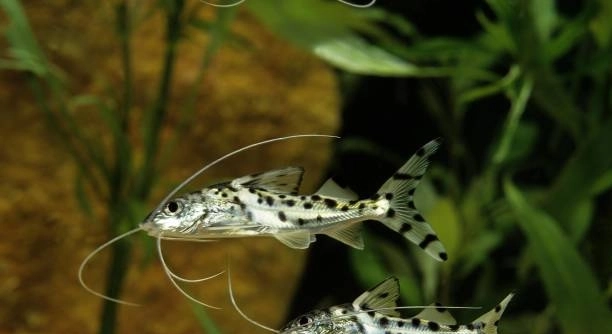
Keeping a pictus catfish as a pet can be rewarding for aquarium lovers. These fish are known for their active nature and attractive spotted patterns. Many people enjoy watching their lively behavior in a well-maintained tank.
Pictus catfish are social animals that prefer living in groups rather than alone. Keeping a single pictus catfish can lead to stress and abnormal behavior, as they rely on companions for comfort and natural interaction in captivity.
Learning about their social needs helps ensure a healthy and happy environment for your fish. This article will explain why group living is important for pictus catfish and how to care for them properly.
Why Pictus Catfish Prefer Company
Pictus catfish are naturally social creatures. In the wild, they swim in groups to feel safe and communicate with each other. When kept alone in a tank, they may become stressed or shy, hiding for long periods. This can affect their health and activity levels. Watching a group of pictus catfish interact is much more enjoyable because they show natural behaviors like chasing, foraging, and swimming together. Providing at least three to five pictus catfish in one tank allows them to feel secure and reduces loneliness. A tank that mimics their natural environment with hiding spots and open swimming areas will also help them thrive. Keeping a single pictus catfish might seem easier, but it often leads to a less healthy and less active fish.
The social nature of pictus catfish is key to their well-being and happiness in captivity.
Having multiple pictus catfish helps keep the fish active and engaged, which benefits their overall health and longevity in the aquarium.
Tank Setup and Care for Multiple Pictus Catfish
For a group of pictus catfish, a larger tank is necessary, ideally 30 gallons or more. This size gives them enough space to swim freely and reduces aggression. The tank should have a soft substrate like sand to protect their delicate barbels. They prefer dim lighting and places to hide, such as plants, caves, or driftwood. Water conditions are also important—keep the temperature between 75 and 80°F and maintain a pH around 6.5 to 7.5. Good filtration and regular water changes help keep the environment clean, preventing illness. Feeding should include sinking pellets, live or frozen foods like bloodworms, and occasional vegetable matter to provide a balanced diet. With proper care and the right tank setup, pictus catfish can live happily and display their natural behaviors in a group.
Why Pictus Catfish Prefer Company
Pictus catfish are naturally social creatures. In the wild, they swim in groups to feel safe and communicate with each other. When kept alone in a tank, they may become stressed or shy, hiding for long periods. This can affect their health and activity levels. Watching a group of pictus catfish interact is much more enjoyable because they show natural behaviors like chasing, foraging, and swimming together. Providing at least three to five pictus catfish in one tank allows them to feel secure and reduces loneliness. A tank that mimics their natural environment with hiding spots and open swimming areas will also help them thrive. Keeping a single pictus catfish might seem easier, but it often leads to a less healthy and less active fish.
The social nature of pictus catfish is key to their well-being and happiness in captivity.
Having multiple pictus catfish helps keep the fish active and engaged, which benefits their overall health and longevity in the aquarium.
Tank Setup and Care for Multiple Pictus Catfish
For a group of pictus catfish, a larger tank is necessary, ideally 30 gallons or more. This size gives them enough space to swim freely and reduces aggression. The tank should have a soft substrate like sand to protect their delicate barbels. They prefer dim lighting and places to hide, such as plants, caves, or driftwood. Water conditions are also important—keep the temperature between 75 and 80°F and maintain a pH around 6.5 to 7.5. Good filtration and regular water changes help keep the environment clean, preventing illness. Feeding should include sinking pellets, live or frozen foods like bloodworms, and occasional vegetable matter to provide a balanced diet. With proper care and the right tank setup, pictus catfish can live happily and display their natural behaviors in a group.
Challenges of Keeping a Single Pictus Catfish
A single pictus catfish can become overly shy or inactive. It may spend most of its time hiding, especially during the day. Without companions, it won’t feel secure enough to explore or show its usual energy, which affects how enjoyable it is to watch and care for.
Keeping one pictus catfish can also make tank maintenance harder. Uneaten food might go unnoticed, leading to water quality issues. In groups, they compete for food and stay more active, which helps avoid waste buildup. A lone fish tends to eat less and may even skip meals due to stress.
Behavioral Signs of Stress in a Lone Fish
When a pictus catfish is stressed from being alone, it might stop eating or swim erratically. Hiding constantly, being overly sensitive to movement, or becoming aggressive toward tank mates of other species are also signs. These behaviors usually improve when the fish is placed with others of its kind.
Final Thoughts on Group Care
Adding more pictus catfish encourages natural activity and lowers stress. It helps keep the tank environment cleaner and more balanced. Watching a group swim and interact is more rewarding and reflects how they live in the wild.
FAQ
Can pictus catfish live alone?
They can live alone, but it’s not ideal. Pictus catfish are social and do better in groups. A single fish often becomes shy, hides more, and may seem less active. Over time, this can lead to stress and poor health. When kept with others of the same species, they show natural behaviors like schooling, exploring, and foraging. This makes them healthier and easier to care for. If you’re planning to keep one alone, you’ll need to provide plenty of hiding spots and a very calm tank, but even then, the fish may not thrive as well as it would in a group.
How many pictus catfish should be kept together?
A group of three to five is a good number. This helps them feel secure and allows for natural group behavior. Pictus catfish are not aggressive toward their own kind, so keeping several together won’t lead to fights. Instead, it encourages active swimming and social interaction. Make sure the tank is large enough to handle the extra fish. A 55-gallon tank or more is best for a small group. Crowding them in a smaller tank can cause stress and lead to water quality problems.
Do pictus catfish get along with other fish?
Yes, but only with the right tank mates. Pictus catfish are peaceful, but they are fast and can stress out slow or timid fish. They might also try to eat very small fish like neon tetras if given the chance. It’s best to keep them with fish that are similar in size and speed. Good tank mates include larger tetras, peaceful barbs, gouramis, and other medium-sized community fish. Avoid long-finned or aggressive fish, as these can create tension in the tank. Always observe new fish closely to ensure everyone is getting along.
Are pictus catfish aggressive?
No, they are not considered aggressive. They are active and may chase each other or other fish during feeding time, but this is usually harmless. If aggression does happen, it’s often due to overcrowding or poor tank setup. Giving them enough space and hiding spots helps reduce stress and competition. Also, feeding them properly reduces any nipping or chasing. As long as the tank is well-maintained, pictus catfish usually stay peaceful.
What size tank do pictus catfish need?
For a single pictus catfish, a 30-gallon tank is the absolute minimum, but bigger is always better. If you’re keeping three or more, start with at least a 55-gallon tank. These fish are fast swimmers and need room to move around. They also produce a lot of waste, so a larger tank helps maintain better water quality. A strong filter and regular water changes are also important. Make sure the tank has soft substrate, hiding spots, and some open areas for swimming.
What should I feed my pictus catfish?
Pictus catfish are not picky eaters. They enjoy a variety of sinking pellets, bloodworms, brine shrimp, and other protein-rich foods. You can also give them blanched vegetables like zucchini from time to time. They are bottom feeders, so make sure food reaches the bottom of the tank. Feed them once or twice a day in small amounts. Avoid overfeeding, as this can pollute the water and harm the fish. A balanced diet keeps them healthy and energetic.
How long do pictus catfish live?
With proper care, pictus catfish can live for 8 to 10 years. Their lifespan depends on good tank conditions, a proper diet, and low stress. Keeping them in groups also helps extend their life, as social interaction reduces anxiety. Poor water quality or being kept alone can shorten their lifespan. Regular maintenance, such as weekly water changes and checking filter function, plays a big role in their long-term health. Watching their behavior can help you spot problems early.
Do they need hiding spots?
Yes, they do. Pictus catfish are naturally shy during the day and become more active at night. Caves, driftwood, and plants give them places to rest and feel safe. This reduces stress and keeps them healthy. Even in groups, hiding spots are important. Without them, the fish may feel exposed and hide all the time, even when they’re supposed to be active. Use smooth decorations that won’t harm their skin or barbels, and avoid overcrowding the tank with too many items. Balance is key.
Final Thoughts
Keeping pictus catfish can be a rewarding experience when done right. These fish are active, beautiful, and full of personality, especially when kept in groups. Many people are drawn to their unique appearance and fast swimming style. However, their social needs are often overlooked. While it’s possible to keep just one pictus catfish, it’s not the best choice for the fish or the owner. A single fish may seem fine at first, but over time, it can become stressed or inactive. This change in behavior often goes unnoticed until the fish shows signs of poor health. Keeping them in a group allows for more natural behavior, better health, and a more enjoyable aquarium to watch and maintain.
Setting up the right environment for pictus catfish takes some planning, but it makes a big difference. A spacious tank, smooth substrate, hiding places, and good water quality are all important. These fish like to swim and explore, so an open layout helps them stay active. They also enjoy darker areas during the day and need places to rest. Providing proper food and regular care is just as important. A variety of sinking foods and a clean tank help them stay healthy and avoid illness. If space and budget allow, keeping a group of three to five fish will make everything easier. They become more confident, eat better, and show off their natural energy when they’re not alone. This also makes the tank more interesting and balanced.
For anyone thinking about getting a pictus catfish, it’s worth taking the time to learn about their needs. These fish are not difficult to care for, but they do require more than just a basic setup. Group care is strongly recommended to support their social habits. Watching them swim together is more fun and gives a better look at their true behavior. When pictus catfish are healthy and active, they add a lot of life to the aquarium. They don’t just survive in groups—they thrive. If you’re ready to meet their space and care needs, a group of pictus catfish can be a great addition to your home aquarium. By giving them the right setup and companions, you’ll create a better environment for the fish and a more rewarding experience for yourself.

Hello,
If you enjoy the content that we create, please consider saying a "Thank You!" by leaving a tip.
Every little bit helps us continue crafting quality advice that supports the health, happiness, and well-being of pets around the world, for pets of all shapes, sizes, and species.
We really appreciate the kindness and support that you show us!