
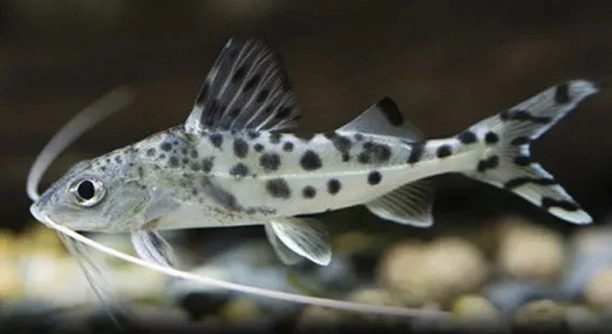
Creating a comfortable environment for Pictus Catfish involves providing adequate hiding spots. These fish feel more secure when they have places to retreat and rest away from open areas. Proper hiding spots improve their well-being in home aquariums.
To create effective hiding spots for Pictus Catfish, use natural materials like smooth rocks, driftwood, and dense aquatic plants. These elements mimic their natural habitat, offering shelter and security. The placement should allow easy access while maintaining enough open swimming space.
Understanding how to arrange these hiding spots can enhance your catfish’s comfort and reduce stress. This article will guide you through simple, practical steps for setting up a safe, natural aquarium environment.
Choosing the Right Materials for Hiding Spots
When setting up hiding spots for Pictus Catfish, selecting appropriate materials is crucial. Smooth rocks are ideal because they have no sharp edges that might injure the fish. Driftwood adds a natural look and provides shaded areas that catfish enjoy. Dense aquatic plants, like Java fern or Anubias, offer soft cover and places to explore. Avoid using artificial decorations that might leach harmful chemicals into the water. It is also important to clean any natural material thoroughly before adding it to the tank. Using these materials helps recreate the catfish’s natural environment, making them feel more at ease. Positioning these elements thoughtfully ensures there is enough space for swimming while offering shelter. Balancing open areas with covered spaces is key to maintaining a healthy and stress-free aquarium.
Using natural materials helps support the health and behavior of Pictus Catfish in captivity.
Organizing these materials to mimic natural hiding places allows the catfish to express their natural instincts. Grouping plants and wood creates safe zones, while rocks can form caves or crevices. It’s important to avoid overcrowding the tank, which can limit swimming space and increase stress. Each hiding spot should be stable to prevent collapsing. Observing the fish’s behavior after setup helps identify which areas they prefer. Regular maintenance keeps hiding spots clean and safe. Adjustments can be made if some areas seem unused or inaccessible. This setup encourages the catfish to explore, rest, and feel secure, promoting better health and activity levels.
Placement of Hiding Spots in the Aquarium
Hiding spots should be placed in low-light and quiet corners of the tank where catfish feel secure.
Pictus Catfish prefer locations that offer shelter from bright light and sudden movements. Placing hiding spots near the bottom of the aquarium replicates their natural habitat. Spaces under driftwood or dense plant clusters are ideal. Avoid placing hides in the middle of open areas, which can make the fish feel exposed. It’s best to distribute hiding spots evenly to reduce competition among fish. Providing multiple shelters allows each catfish to find its own space. Ensuring easy access and enough swimming room improves comfort. This placement strategy helps reduce stress and encourages natural behaviors, making the aquarium a more peaceful environment.
Maintaining Hiding Spots
Regular cleaning of hiding spots is essential to keep the tank healthy. Remove debris, algae, and uneaten food to prevent water quality issues. This helps protect your Pictus Catfish from illness.
Cleaning hiding spots carefully prevents damage. Use gentle brushes or rinsing with tank water to avoid killing beneficial bacteria. Avoid harsh chemicals that could harm fish or plants. Clean driftwood by scrubbing off buildup, and trim plants to remove dead leaves. Rocks can be wiped with a soft cloth. Keeping these areas clean supports a stable environment, promoting your catfish’s health.
Maintenance also includes checking the stability of hides. Over time, driftwood or rocks may shift, risking injury. Secure any loose materials to prevent accidents. Observing how your catfish interact with their hiding spots can guide when changes or cleaning are needed. Regular upkeep keeps the aquarium safe and comfortable for the fish.
Encouraging Natural Behavior
Creating hiding spots encourages natural behaviors like resting, exploring, and hiding from perceived threats. These behaviors reduce stress and promote well-being.
Pictus Catfish are nocturnal and shy by nature, often retreating to secure areas during the day. Providing varied hiding places allows them to feel safe and lowers anxiety. This also stimulates their curiosity and activity during feeding times or tank exploration. Without proper shelter, catfish may become stressed or hide excessively, affecting their health. A well-structured environment supports normal behavior, leading to more lively and visible fish. Offering a mix of caves, plants, and shaded areas can meet these needs effectively.
Lighting Considerations for Hiding Spots
Low to moderate lighting is best around hiding spots for Pictus Catfish. Bright lights can stress them and reduce their use of these areas.
Using dim lighting mimics their natural, shaded environment. Positioning hiding spots away from direct light encourages catfish to rest comfortably without feeling exposed.
Avoiding Overcrowding
Overcrowding hides can cause stress and territorial disputes among Pictus Catfish. Provide enough space and multiple shelters for each fish to reduce conflicts.
Adequate hiding spots spaced throughout the tank help maintain peace. Avoid clustering decorations too tightly, ensuring smooth movement and accessibility for all fish.
Monitoring Behavior Changes
Watch your catfish regularly to notice any changes in how they use their hiding spots. This helps identify stress or health issues early.
Adjust hiding spots as needed to better suit your fish’s preferences and improve their comfort.
Tank Size Impact
The size of your aquarium affects how many hiding spots you need. Larger tanks require more shelters to accommodate multiple catfish comfortably.
FAQ
How many hiding spots does a Pictus Catfish need?
Each Pictus Catfish benefits from having at least two to three hiding spots in the aquarium. This helps reduce stress by providing choices and enough space for retreat, especially if you keep multiple fish. The exact number depends on tank size and the number of catfish.
Can I use artificial decorations for hiding spots?
While artificial decorations can be used, they are generally less preferred than natural materials. Natural elements like driftwood and plants offer better shelter and create a more familiar environment for the catfish. If artificial items are used, make sure they are safe, non-toxic, and free of sharp edges.
How often should I clean the hiding spots?
Cleaning hiding spots should be part of regular tank maintenance, roughly every two to four weeks. More frequent cleaning may be needed if debris or algae build up quickly. Use tank water for rinsing and avoid chemicals to preserve beneficial bacteria and keep the environment safe for your catfish.
What plants are best for hiding spots?
Java fern, Anubias, and Amazon sword plants are excellent choices. They grow well underwater, have broad leaves for cover, and don’t require high light or CO2. These plants provide soft shelter, helping Pictus Catfish feel secure without overcrowding the tank.
Can Pictus Catfish hide in open areas without decorations?
Generally, no. Pictus Catfish prefer shaded, covered spaces to rest and hide. Open areas expose them to light and possible threats, increasing stress. Providing proper hiding spots improves their comfort and encourages natural behavior.
Is it necessary to rearrange hiding spots often?
Frequent rearrangement is not required but can be helpful if your catfish avoid certain areas. Changing the setup occasionally can stimulate exploration and reduce boredom. Always monitor your fish’s reaction and avoid drastic changes that cause stress.
Do hiding spots affect water flow in the tank?
Yes, large or dense hiding spots can alter water flow. It’s important to arrange them so water circulates freely, preventing stagnant areas that may harm water quality. Positioning hides near filtration outputs can help maintain good oxygen levels and cleanliness.
Will Pictus Catfish share hiding spots?
They may share, but competition can occur, especially if hiding spaces are limited. Providing multiple hiding spots evenly spread out reduces territorial disputes and allows each catfish to find its own space without stress.
What size should hiding spots be?
Hiding spots should be large enough for the catfish to enter comfortably but not so big that they feel exposed. Generally, a spot slightly larger than the fish’s body size is ideal, offering secure shelter without excess open space inside.
Can I use caves or tunnels for hiding spots?
Yes, caves or tunnels made from rocks or driftwood are excellent hiding places. They simulate natural crevices found in rivers and lakes, giving the catfish a safe refuge. Make sure these structures are stable and free of sharp edges to avoid injury.
How does lighting impact hiding spot use?
Bright lighting discourages catfish from using hiding spots. Dim or indirect light near these areas mimics their natural environment and makes them more appealing. Adjusting light levels can encourage your fish to spend more time resting in their shelters.
Are there signs that hiding spots need adjustment?
If your catfish avoid certain hiding spots or show signs of stress, such as erratic swimming or hiding excessively, it may be time to rearrange or add new shelters. Observing behavior helps ensure the tank environment meets their needs.
Can hiding spots improve breeding conditions?
Yes, proper hiding spots provide secure areas for breeding and egg laying. They reduce stress and mimic natural conditions, increasing the chances of successful spawning. Including caves or dense plants can support breeding behavior in Pictus Catfish.
Is tank size more important than hiding spots?
Both are important, but adequate hiding spots become critical in smaller tanks to reduce stress and territorial conflicts. Larger tanks offer more space, which may reduce the pressure on hiding spot availability but should still include proper shelters for comfort.
Do hiding spots affect water parameters?
Natural materials like driftwood can slightly lower pH and soften water, which often benefits Pictus Catfish. However, overuse or improper cleaning of materials can impact water quality negatively. Regular monitoring and maintenance keep the environment balanced.
Creating proper hiding spots for Pictus Catfish is an important part of maintaining a healthy aquarium. These fish naturally seek out places where they feel safe and protected. Providing them with enough shelters made from natural materials like driftwood, smooth rocks, and dense plants helps replicate their natural environment. When catfish have secure hiding spots, they experience less stress and show more natural behaviors. This contributes to their overall health and makes them more enjoyable to watch in the tank.
Maintaining hiding spots also requires regular care. Cleaning these areas without disturbing the beneficial bacteria or harming the fish is necessary to keep the tank environment stable. It’s important to avoid harsh chemicals and to rinse decorations gently with tank water during maintenance. Observing the fish closely helps identify if the current hiding spots are meeting their needs or if adjustments are required. Making small changes, like rearranging decorations or adding new shelters, can improve how comfortable your catfish feel and encourage them to be more active.
In addition to choosing the right materials and placing hiding spots thoughtfully, lighting and tank size should be considered. Pictus Catfish prefer dimmer lighting around their shelters, which mimics their natural habitat and reduces stress. Overcrowding the tank or clustering hiding spots too tightly can cause territorial disputes or limit swimming space. Balancing hiding areas with open swimming room is important for the well-being of all fish in the aquarium. Overall, creating and maintaining suitable hiding spots enhances the aquarium environment and supports the natural behavior and health of Pictus Catfish.

Hello,
If you enjoy the content that we create, please consider saying a "Thank You!" by leaving a tip.
Every little bit helps us continue crafting quality advice that supports the health, happiness, and well-being of pets around the world, for pets of all shapes, sizes, and species.
We really appreciate the kindness and support that you show us!