
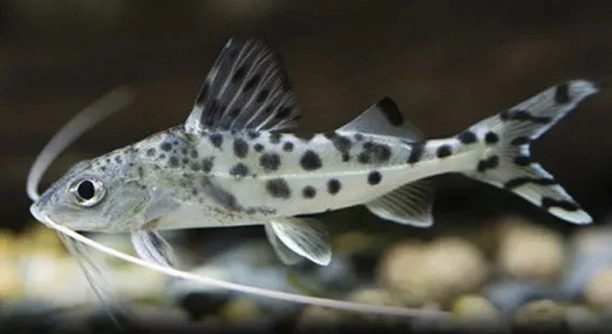
Pictus catfish are popular freshwater fish known for their active swimming and peaceful nature. Many aquarium owners enjoy watching them glide gracefully among plants and decorations in their tanks. Their unique appearance adds charm to any home aquarium setup.
Pictus catfish are capable of jumping out of tanks, especially when startled or during poor water conditions. Their strong muscles and agility enable them to leap over tank edges, making it important to have a secure lid on the aquarium to prevent escapes.
Understanding why pictus catfish jump and how to create a safe environment can help keep these fish healthy and secure in their aquatic home. Proper tank care and observation play key roles in preventing unwanted jumps.
Why Do Pictus Catfish Jump?
Pictus catfish often jump due to stress or discomfort in their environment. Changes in water quality, such as high ammonia or nitrite levels, can cause them to seek escape. They may also jump when frightened by sudden noises or movements near the tank. In some cases, lack of space or poor tank setup can make them restless. These fish are naturally active swimmers, and their jumping behavior can be an instinctive reaction to threats or unsuitable conditions. Ensuring stable water parameters and a calm environment reduces the chance of these jumps.
Jumping may also happen during feeding time when the fish get excited or overactive. Sometimes, they jump simply because their natural habitat includes escaping predators by leaping out of water.
Creating a stable, well-maintained environment is key to minimizing these leaps. This means regular water testing and careful tank arrangement to keep your pictus catfish comfortable.
How to Prevent Pictus Catfish from Jumping
A secure lid on the tank is the simplest way to prevent pictus catfish from escaping. Without a proper cover, these agile fish can easily jump out. Tank lids designed for aquariums should fit tightly but allow enough air circulation to maintain good oxygen levels inside. Using a mesh or glass cover works well to keep the fish safely inside while still providing proper ventilation.
In addition to a secure lid, maintaining high water quality is critical. Regular water changes and monitoring of ammonia, nitrite, and nitrate levels keep the fish healthy and calm. Avoid overcrowding the tank to reduce stress. Providing hiding spots and a comfortable environment helps the fish feel secure. Observing their behavior daily will help catch any issues early before they lead to jumping or other stress-related problems. Keeping these factors in balance creates a safe and stable home for your pictus catfish.
Tank Setup Tips for Pictus Catfish
Ensure the tank has plenty of swimming space and hiding places. Avoid overcrowding to reduce stress and keep water quality stable. A minimum tank size of 30 gallons is recommended for pictus catfish to swim comfortably.
Using smooth decorations and avoiding sharp objects prevents injuries when the fish jump. Plants, caves, and driftwood offer shelter, helping the catfish feel secure. Proper filtration and aeration support clean water and oxygen levels. Maintaining consistent water temperature between 72°F and 78°F is important to keep the fish healthy and calm.
Regular tank maintenance, including water changes and gravel cleaning, helps prevent buildup of harmful substances. This environment reduces stress and jumping behavior, promoting overall wellbeing. Paying attention to the setup makes a big difference in keeping pictus catfish safe and comfortable.
Signs That Your Pictus Catfish Might Jump
Restlessness and frequent swimming near the tank surface often indicate discomfort. If the fish start darting suddenly or rubbing against objects, stress may be increasing. These behaviors suggest the need to check water quality and tank conditions.
Other signs include loss of appetite and changes in coloration. Pale or faded colors can show poor health or stress. Observing these early warnings helps address problems before the fish attempt to jump out. Timely action can prevent injury and improve the fish’s comfort and safety.
Feeding Habits of Pictus Catfish
Pictus catfish are mostly nocturnal feeders, searching for food along the tank bottom. They enjoy sinking pellets, live or frozen foods like bloodworms, and occasional vegetables. Feeding in the evening aligns with their natural behavior.
Overfeeding can cause water quality issues, so it’s best to offer small amounts twice a day. Uneaten food should be removed to prevent tank pollution.
Ideal Water Conditions for Pictus Catfish
Maintaining stable water conditions is crucial. The ideal temperature range is 72°F to 78°F, with a pH between 6.5 and 7.5. Soft to moderately hard water supports their health. Regular testing helps keep these parameters consistent.
Common Mistakes That Lead to Jumping
Poor water quality and sudden changes are main triggers. Overcrowding and lack of hiding spots increase stress, causing more jumping. Proper tank management reduces these issues.
FAQ
Can pictus catfish jump out of the tank?
Yes, pictus catfish can jump out of the tank. They are known for their agility and strong swimming ability. If the tank is not covered properly or if the fish feel stressed or threatened, they might leap over the tank edges. This makes a secure lid essential to prevent escapes.
Why do pictus catfish jump?
Jumping is often a response to stress, poor water quality, or sudden disturbances. Changes in water chemistry, overcrowding, or aggressive tankmates can cause them to try to escape. Sometimes, they jump during feeding time or if the tank environment lacks hiding spots and comfort.
What kind of lid is best for pictus catfish tanks?
A tightly fitting glass or mesh lid works well. The lid should cover the entire tank to prevent jumping out but still allow air circulation. Some lids come with feeding slots or openings for equipment without leaving gaps that fish can escape through.
How can I tell if my pictus catfish is stressed?
Signs of stress include erratic swimming, loss of appetite, hiding more than usual, or rubbing against objects. Pale or dull coloration can also indicate stress. If you notice these signs, check the water quality and tank conditions immediately.
What is the ideal tank size for pictus catfish?
A minimum of 30 gallons is recommended because pictus catfish are active swimmers. Larger tanks give them more space to move and reduce stress. A roomy tank also helps maintain better water quality, which keeps the fish healthier.
What water parameters do pictus catfish prefer?
They prefer water temperatures between 72°F and 78°F, with a pH of 6.5 to 7.5. Soft to moderately hard water suits them best. Regular water testing is important to maintain these parameters and avoid sudden changes that can stress the fish.
Can pictus catfish live with other fish?
Yes, they can live peacefully with other non-aggressive species. Avoid keeping them with overly aggressive or very slow-moving fish. Pictus catfish are active and prefer tankmates that swim at similar speeds to reduce stress and competition.
How often should I feed pictus catfish?
Feed them once or twice daily with sinking pellets, frozen or live foods like bloodworms, and occasional vegetables. Avoid overfeeding, as uneaten food can pollute the tank. Remove leftover food after feeding to keep water clean.
Do pictus catfish need hiding spots?
Yes, hiding spots are important for reducing stress. Use caves, driftwood, or dense plants to create secure areas. This helps the fish feel safe and less likely to jump out due to fear or discomfort.
What should I do if my pictus catfish jumps out?
If you find a fish outside the tank, gently return it to the water immediately. Check the tank for possible stress factors like poor water quality or sudden noises. Make sure the tank lid is secure to prevent future escapes.
Is jumping common in all catfish species?
Not all catfish jump, but some, like pictus catfish, are known for this behavior. It is usually linked to their natural instincts and environment. Understanding each species’ needs helps reduce the risk of jumping.
Can changes in water cause jumping?
Yes, sudden changes in temperature, pH, or chemical levels can stress pictus catfish and cause them to jump. Regular water testing and gradual adjustments help maintain stable conditions and prevent these issues.
Are there any signs of illness that might make pictus catfish jump?
Sick fish may become restless and try to escape the tank. Symptoms like rapid breathing, spots, or swelling often accompany illness. Prompt treatment and water quality checks are necessary to protect the fish’s health.
How can I create a safe environment to reduce jumping?
Keep water quality high with regular maintenance, provide adequate tank space, add hiding spots, and use a secure lid. Monitoring behavior and tank conditions daily helps catch problems early.
Can loud noises or vibrations cause jumping?
Yes, loud noises or vibrations near the tank can startle pictus catfish, causing sudden jumps. Placing the tank in a quiet, stable location helps minimize these disturbances and keeps the fish calm.
Is it normal for pictus catfish to jump during feeding?
Occasionally, yes. Feeding time excitement can cause sudden movements and small jumps. However, if jumping is frequent, it may indicate other stressors or water quality issues needing attention.
What type of food is best for pictus catfish?
Sinking pellets formulated for bottom feeders are ideal. Supplement with live or frozen foods such as bloodworms, brine shrimp, and occasional blanched vegetables. This diet supports their health and mimics natural feeding.
How often should I test the water for pictus catfish?
Testing water parameters weekly is a good practice. More frequent testing may be needed during tank setup, after water changes, or if problems arise. Consistent monitoring keeps the environment stable and safe.
Are pictus catfish good for beginner fishkeepers?
They can be, with proper care and tank setup. Their active nature and jumping tendency require attention to tank security and water quality. Beginners willing to maintain these conditions can successfully keep pictus catfish.
What happens if a pictus catfish injures itself while jumping?
Injuries can occur if the fish lands on hard surfaces. Watch for signs like torn fins or cuts. Isolate injured fish if possible and keep the tank clean to prevent infection. Prevention by securing the tank is always best.
Do pictus catfish jump more during certain times of the year?
No clear seasonal pattern exists, but changes in room temperature or lighting might influence activity. Keeping conditions stable year-round helps minimize jumping behavior.
Can tank mates cause pictus catfish to jump?
Aggressive or overly active tank mates may stress pictus catfish, leading to jumping. Choose peaceful, compatible species to maintain harmony and reduce stress-induced jumps.
Is it safe to keep pictus catfish in a planted tank?
Yes, planted tanks provide hiding spots and natural cover. Just ensure the plants don’t overcrowd the tank or block swimming space. Plants can improve water quality and reduce stress.
How can I tell if my pictus catfish is happy?
A healthy pictus catfish swims actively, feeds well, and shows bright coloration. It uses hiding spots but also explores the tank confidently. Calm behavior and regular activity are good signs of wellbeing.
What lighting conditions suit pictus catfish?
Moderate lighting is best. Too bright lighting may stress the fish, while dim lighting helps mimic their natural environment. Plants can provide shaded areas, balancing light in the tank.
Pictus catfish are lively and interesting fish that can bring life to a freshwater aquarium. Their ability to jump out of tanks is a natural behavior linked to their instincts and environment. While this may be surprising or worrying to some, it is manageable with proper tank care. Understanding the reasons behind their jumping helps create a safer and more comfortable home for these fish. Paying attention to water quality, tank setup, and their overall well-being reduces the risk of escapes and injuries.
Creating a secure environment involves using a well-fitting lid to prevent the fish from jumping out. Along with this, maintaining stable water conditions is essential. Pictus catfish thrive in clean water with consistent temperature and pH levels. Stress from sudden changes or poor conditions can cause unwanted jumping. Providing enough space, hiding spots, and peaceful tankmates supports their natural behavior and reduces stress. Regular tank maintenance and monitoring are important parts of responsible fish care that help prevent common issues.
Taking care of pictus catfish requires some effort but is rewarding. Observing their behavior and responding to signs of stress or discomfort can improve their quality of life. Feeding them properly, keeping the water clean, and securing the tank are key steps. When these factors are balanced, pictus catfish can live happily without jumping out. This simple approach creates a safer aquarium environment that benefits both the fish and the owner. With attention and care, pictus catfish become healthy, active, and enjoyable additions to any freshwater setup.

Hello,
If you enjoy the content that we create, please consider saying a "Thank You!" by leaving a tip.
Every little bit helps us continue crafting quality advice that supports the health, happiness, and well-being of pets around the world, for pets of all shapes, sizes, and species.
We really appreciate the kindness and support that you show us!