
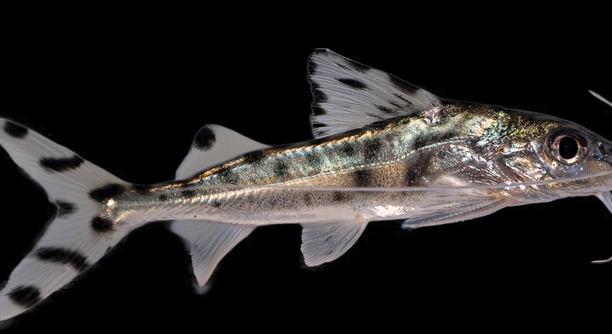
Are your Pictus catfish acting strangely or showing signs of stress despite regular tank cleanings and feeding routines? Water quality may be the hidden issue affecting their health and behavior in your aquarium.
Maintaining clean, balanced water is crucial for Pictus catfish. Regular testing for ammonia, nitrites, nitrates, pH, and temperature helps prevent health issues, supports strong immune function, and creates a safe environment for these active, sensitive freshwater fish.
Learning the right testing habits can improve your catfish’s well-being and help you feel more confident managing their aquatic home.
Test Your Water Weekly
Testing your aquarium water once a week helps you catch imbalances before they affect your Pictus catfish. These fish are sensitive to poor water conditions, so regular testing ensures a stable, safe habitat. Use liquid test kits for more accurate readings over strips, especially when checking ammonia, nitrites, nitrates, and pH. Ammonia and nitrites should always read zero, while nitrates should be kept low, ideally under 20 ppm. pH should remain consistent, not fluctuating more than 0.2 in either direction. Recording your results can help you notice patterns and address small issues before they grow. Stick to the same day each week for testing to keep it consistent and easy to remember. If you’re dealing with frequent spikes or drops, you may need to adjust your cleaning routine, feeding schedule, or filtration system. Water quality is one of the most important factors for keeping your catfish active, healthy, and stress-free.
A consistent testing schedule builds confidence and helps you act quickly if something feels off with your fish.
When water quality changes slowly over time, it’s easy to miss the signs until your fish show distress. Weekly testing prevents this by giving you a clear picture of what’s going on before your fish suffer the consequences.
Use the Right Test Kits
Choose reliable liquid test kits instead of test strips for better accuracy and long-term value.
Liquid kits allow you to measure specific parameters with precision, which is important when caring for sensitive species like Pictus catfish. While strips may seem quicker, they often give vague or inconsistent results. Liquid kits provide clear readings for ammonia, nitrites, nitrates, and pH. When testing, use clean glass vials, follow instructions carefully, and always check expiration dates on your kits. Many brands recommend replacing test solutions annually for reliable performance. A good liquid kit often includes a color chart that helps you compare your sample for accurate results. If you’re just starting out, consider kits that include all the basic parameters needed for freshwater fish. Some also allow for expanded testing of GH and KH, which influence overall water stability. Using dependable tools from the beginning gives you better control and helps avoid unnecessary stress on your fish caused by hidden issues in your tank water.
Keep an Eye on Ammonia
Ammonia is highly toxic to Pictus catfish, even at low levels. It can build up quickly from uneaten food, waste, or poor filtration. Testing for ammonia regularly helps you catch issues early and protect your fish from stress and illness.
When ammonia levels rise, your catfish may become lethargic, breathe heavily, or hide more than usual. You might also notice red or inflamed gills. These signs can appear quickly, so it’s important to test right away if you suspect something is wrong. Use a reliable liquid test kit and take action if ammonia is above 0 ppm. Perform partial water changes, remove debris, and check that your filter is working correctly. Avoid overfeeding, as leftover food quickly breaks down and releases ammonia. Keeping your tank clean and well-maintained plays a big role in preventing spikes and keeping ammonia at zero consistently.
Even a small rise in ammonia can affect your catfish’s immune system. Once exposed, they may become more prone to infections or fin damage. Frequent spikes can also disrupt their growth and behavior over time. Make ammonia testing a key part of your routine. It’s one of the fastest ways to identify a serious problem before it causes lasting harm to your fish.
Monitor Nitrate Levels
Nitrates are less toxic than ammonia or nitrites, but high levels over time still harm Pictus catfish. Long-term exposure can stress your fish and weaken their immune system. It also encourages algae growth, which can make tank maintenance harder.
To manage nitrates effectively, aim to keep levels below 20 ppm. This can be done by doing regular partial water changes—around 25% weekly works well for most setups. Live plants also help by absorbing nitrates naturally, especially fast-growing types like hornwort or water wisteria. Test nitrate levels weekly, just like you would with ammonia. If your tank has many fish or you feed often, nitrate can rise quickly. In these cases, more frequent water changes or a reduction in feeding may be necessary. A dirty filter can also trap waste that contributes to nitrate buildup, so rinse it regularly with tank water to keep things flowing properly.
Watch for Nitrite Spikes
Nitrite levels should always be at zero. Even small amounts can cause problems for Pictus catfish by interfering with their ability to carry oxygen. Test weekly, especially after adding new fish or adjusting your filtration system.
If nitrite is present, act quickly with partial water changes and add a water conditioner that detoxifies nitrite. Avoid feeding until levels return to zero.
Check and Maintain pH Stability
Pictus catfish do best in a stable pH between 6.5 and 7.5. Sudden changes can cause stress, making them more vulnerable to illness or erratic behavior. Use a liquid test kit to check the pH once a week. If your pH fluctuates often, test your tap water as well—it may be naturally high or low. Driftwood, crushed coral, and other tank materials can influence pH too. Always make changes slowly, never more than 0.2 per day. Rapid adjustments can shock your fish. When needed, use gentle pH stabilizers rather than harsh chemicals. Keeping your tank consistent is more important than hitting an exact number.
Understand Water Temperature
Pictus catfish need a steady water temperature between 74°F and 78°F. Sudden drops or spikes can stress them out and affect their appetite or behavior. Use a reliable heater and a separate thermometer to check accuracy.
FAQ
How often should I test water for Pictus catfish?
Testing once a week is best. This routine helps catch problems early and keeps your tank stable. If you’re adding new fish, adjusting the filter, or noticing changes in behavior, test more often. Weekly testing gives you a clearer picture of ammonia, nitrite, nitrate, and pH levels.
Can poor water quality harm my Pictus catfish?
Yes, poor water quality can lead to stress, illness, or even death. High ammonia and nitrite levels are especially harmful. Even if the water looks clean, harmful substances can still be present. Regular testing and maintenance help prevent long-term health issues for your fish.
What is the ideal pH for a Pictus catfish tank?
Aim for a pH between 6.5 and 7.5. More important than the exact number is keeping it steady. Pictus catfish don’t do well with sudden pH changes, even if the level stays within the correct range. Always adjust pH slowly if needed.
How can I lower high nitrate levels in my tank?
Start with a partial water change—around 25–30%. Use a gravel vacuum to remove waste trapped in the substrate. Adding live plants helps too, especially fast growers like hornwort. Reducing feeding and cleaning your filter regularly also keeps nitrate levels from building up too fast.
Are test strips okay to use instead of liquid kits?
Test strips are easy to use but less accurate. Liquid test kits provide clearer, more reliable results for ammonia, nitrite, nitrate, and pH. If you want a better understanding of your tank’s water quality, especially for sensitive fish like Pictus catfish, liquid kits are the better choice.
What signs show my Pictus catfish is stressed by bad water?
Look for changes in behavior like hiding more, swimming erratically, or breathing quickly. Physical signs include pale color, clamped fins, or inflamed gills. These signs often appear when ammonia, nitrite, or pH levels are off. Immediate water testing helps confirm the problem.
Should I adjust water temperature often?
No, keep the temperature steady between 74°F and 78°F. Fluctuations can weaken your fish’s immune system and increase the risk of disease. Use a heater with a built-in thermostat, and check the temperature with a separate thermometer to make sure it’s accurate.
Can tap water be used in my Pictus catfish tank?
Yes, but always treat it with a dechlorinator first. Chlorine and chloramine in tap water are harmful to fish. Also, test the pH and hardness of your tap water. These values can vary depending on your location and may need adjusting to suit your catfish.
How long should I wait to test after a water change?
Wait about an hour after a water change before testing. This gives the water time to mix and stabilize. Testing too soon may give false readings. Always test when the tank is calm and hasn’t just been stirred up.
Is cloudy water a sign of poor water quality?
Not always, but it can be. Cloudy water might come from a bacterial bloom, leftover food, or a dirty filter. It’s a good idea to test the water when you see cloudiness. If ammonia or nitrite levels are off, take action right away.
FAQ
How often should I test water for Pictus catfish?
Testing once a week is best. This routine helps catch problems early and keeps your tank stable. If you’re adding new fish, adjusting the filter, or noticing changes in behavior, test more often. Weekly testing gives you a clearer picture of ammonia, nitrite, nitrate, and pH levels.
Can poor water quality harm my Pictus catfish?
Yes, poor water quality can lead to stress, illness, or even death. High ammonia and nitrite levels are especially harmful. Even if the water looks clean, harmful substances can still be present. Regular testing and maintenance help prevent long-term health issues for your fish.
What is the ideal pH for a Pictus catfish tank?
Aim for a pH between 6.5 and 7.5. More important than the exact number is keeping it steady. Pictus catfish don’t do well with sudden pH changes, even if the level stays within the correct range. Always adjust pH slowly if needed.
How can I lower high nitrate levels in my tank?
Start with a partial water change—around 25–30%. Use a gravel vacuum to remove waste trapped in the substrate. Adding live plants helps too, especially fast growers like hornwort. Reducing feeding and cleaning your filter regularly also keeps nitrate levels from building up too fast.
Are test strips okay to use instead of liquid kits?
Test strips are easy to use but less accurate. Liquid test kits provide clearer, more reliable results for ammonia, nitrite, nitrate, and pH. If you want a better understanding of your tank’s water quality, especially for sensitive fish like Pictus catfish, liquid kits are the better choice.
What signs show my Pictus catfish is stressed by bad water?
Look for changes in behavior like hiding more, swimming erratically, or breathing quickly. Physical signs include pale color, clamped fins, or inflamed gills. These signs often appear when ammonia, nitrite, or pH levels are off. Immediate water testing helps confirm the problem.
Should I adjust water temperature often?
No, keep the temperature steady between 74°F and 78°F. Fluctuations can weaken your fish’s immune system and increase the risk of disease. Use a heater with a built-in thermostat, and check the temperature with a separate thermometer to make sure it’s accurate.
Can tap water be used in my Pictus catfish tank?
Yes, but always treat it with a dechlorinator first. Chlorine and chloramine in tap water are harmful to fish. Also, test the pH and hardness of your tap water. These values can vary depending on your location and may need adjusting to suit your catfish.
How long should I wait to test after a water change?
Wait about an hour after a water change before testing. This gives the water time to mix and stabilize. Testing too soon may give false readings. Always test when the tank is calm and hasn’t just been stirred up.
Is cloudy water a sign of poor water quality?
Not always, but it can be. Cloudy water might come from a bacterial bloom, leftover food, or a dirty filter. It’s a good idea to test the water when you see cloudiness. If ammonia or nitrite levels are off, take action right away.

Hello,
If you enjoy the content that we create, please consider saying a "Thank You!" by leaving a tip.
Every little bit helps us continue crafting quality advice that supports the health, happiness, and well-being of pets around the world, for pets of all shapes, sizes, and species.
We really appreciate the kindness and support that you show us!