
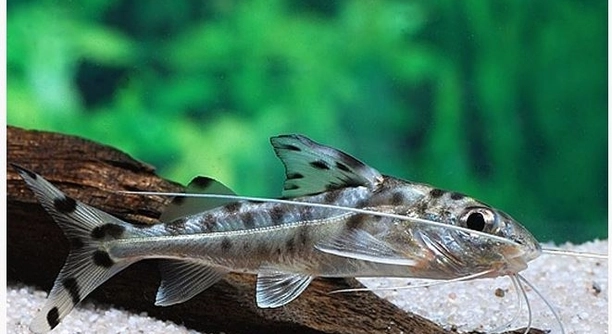
Are your pictus catfish always on the move, gliding through the tank like they’re chasing something only they can see?
Pictus catfish prefer a moderate to strong current in their aquarium. This mimics their natural river habitats, supports their active swimming behavior, and helps with oxygenation. Providing proper flow is essential for their health and comfort.
From choosing the right filter to adjusting flow direction, understanding their needs will help create a more natural and stress-free environment.
Why Flow Matters for Pictus Catfish
In the wild, pictus catfish come from fast-moving rivers in South America. Their bodies are built for swimming against strong currents. In a home aquarium, replicating that natural flow helps keep them active and healthy. A moderate to strong current supports their energy levels and gives them the stimulation they need. When there’s little or no movement in the tank, pictus catfish may become sluggish, stressed, or even sick. Current also improves water circulation, which keeps oxygen levels up and waste moving toward your filtration system. This reduces the risk of toxins building up in the tank. It’s not just about keeping the fish entertained—it’s about supporting their biology.
Without proper flow, their behavior can change. They may stop exploring or hide more than usual.
A steady current also helps maintain water quality. This keeps ammonia and other waste from collecting in still areas where it can harm your fish.
Setting the Right Flow Rate
Too much current can make them struggle to swim, while too little can make the tank feel lifeless to them.
Aim for a filter that turns over the tank volume at least six to eight times per hour. This gives you a strong flow without making it overwhelming. You can also adjust flow direction using a spray bar or flow diverter to prevent your fish from getting pushed around. Observe your catfish: if they swim smoothly and explore the tank, the flow is working. If they’re constantly being blown around or always hiding behind objects, it may be too strong. Make sure to create areas with slightly lower flow where they can rest if needed. Using rocks, driftwood, or plants can help break the current naturally. Keep the tank clean and monitor water parameters. A good balance in flow helps create a healthy, active space your pictus catfish will thrive in.
Signs the Flow Rate Is Right
When the flow rate is ideal, pictus catfish will swim actively across the tank and explore different areas. They should move smoothly without struggling. You might also see them swimming against the current, which is normal for their behavior.
If the current is too strong, they may hide behind decorations or stay low near the substrate to avoid the flow. They could appear restless or tired. On the other hand, if the flow is too weak, they may lose energy and become less active. Watch how they interact with the water movement. Healthy pictus catfish will have clear eyes, smooth movement, and balanced energy levels. Check how food moves in the tank—gentle drifting is fine, but violent swirling means the current may be too high. A steady middle ground helps them thrive and stay relaxed.
It’s also helpful to look for waste build-up. If waste is collecting in dead zones, flow may be too weak.
Best Equipment for Flow Control
Power filters, internal filters, or canister filters can all help create the right flow for pictus catfish. The key is to match the filter to your tank’s size and shape.
Canister filters are a strong option for larger tanks because they move more water without creating intense pressure. Hang-on-back (HOB) filters are better for medium tanks and offer adjustable flow rates. Internal filters are compact and work well for smaller tanks or as a secondary flow source. Add a spray bar to spread the current more evenly, especially in tanks with lots of plants or decorations. For even more control, consider a small circulation pump aimed at one side of the tank. Use smooth-edged décor to break up strong flow areas. Avoid sharp objects, as pictus catfish have sensitive barbels. The right equipment helps balance movement, reduce waste pockets, and keep your tank healthier overall.
Mistakes to Avoid with Flow
Using an oversized filter without adjusting the output can create stress and make swimming difficult for pictus catfish. Strong, direct flow can also push them around the tank, which leads to fatigue and hiding behavior over time.
Neglecting to clean filters or check for blockages lowers flow and water quality. A clogged filter reduces oxygen and allows waste to build up, creating poor tank conditions.
Adjusting Flow in a Community Tank
When keeping pictus catfish with other species, it’s important to find a flow balance that suits everyone. Some fish prefer calmer waters, so you’ll need to create varied flow zones. Use plants, driftwood, or rocks to block direct current in certain areas while keeping stronger movement in others. Choose equipment with adjustable output or use multiple smaller units rather than one strong filter. Watch how each species behaves—if some fish stay low or avoid current-heavy spots, you may need to redirect the flow. A balanced tank will allow all fish to swim comfortably and stay active without stress.
Final Tips on Tank Layout
Leave open swimming space along the length of the tank so pictus catfish can swim freely. Place decorations in a way that breaks current naturally and provides resting spots.
FAQ
Do pictus catfish need a strong current all the time?
No, they don’t need a strong current all the time, but they do need some level of water movement. A steady, moderate current keeps them healthy and active. Their natural rivers have changing currents, and mimicking that helps them stay comfortable in a tank. You can keep the filter running at a consistent speed, or use flow adjusters to create stronger and weaker zones. As long as they can swim comfortably without struggling and have places to rest, the current doesn’t need to be strong at all times. Always monitor their behavior to see if they’re reacting well.
Can pictus catfish live in a low-flow tank?
Pictus catfish can survive in a low-flow tank, but it’s not ideal. They’re active swimmers and need some current to stay stimulated and healthy. A weak current may lead to inactivity, stress, or even health issues over time. Water movement also helps improve oxygen levels and reduce waste buildup, both of which are important for pictus catfish. If your tank setup only allows low flow, try using an additional pump or a spray bar to gently increase circulation without disturbing tankmates. Look for signs like sluggish swimming or excessive hiding as possible indicators the flow isn’t enough.
How can I tell if the flow is too strong for my pictus catfish?
If the flow is too strong, you’ll likely notice your pictus catfish constantly hiding behind decorations or staying in one area to avoid the current. They might also swim in place or appear to be fighting the current rather than moving freely. This can wear them out and cause stress over time. Sometimes they’ll only swim at night if the flow quiets down, or they might skip feeding because the water movement is too aggressive. Watching how they behave throughout the day is the best way to spot an issue.
What flow rate is best for a pictus catfish tank?
A flow rate that turns over the full tank volume about six to eight times per hour works well for pictus catfish. This level mimics river-like movement without making the tank chaotic. For example, in a 30-gallon tank, your filter should push around 180–240 gallons per hour (GPH). Some tanks may need more, especially if they have lots of plants or decorations that block water movement. Always test how the flow feels across the tank. Look for smooth water movement, not splashing or whirlpools. Balance matters more than just numbers.
What equipment helps manage flow without stressing fish?
Canister filters and internal filters with adjustable outputs are great tools. You can also use spray bars, flow diverters, or small circulation pumps to guide the current gently. Placing driftwood or smooth rocks helps break up direct flow, giving the fish safe areas to rest. Avoid strong, one-directional currents that leave no calm zones. Choose filters with adjustable speed or output options to fine-tune the flow. Look for designs that let you control the water direction, not just the strength. A good layout and the right tools make the tank more balanced and peaceful.
Can flow help reduce tank maintenance?
Yes, proper flow helps keep waste suspended long enough for the filter to catch it. This reduces buildup in corners and prevents toxins from collecting. Good circulation also improves oxygen levels and keeps your biological filtration working well. You’ll likely need to do fewer deep cleanings if your flow is strong enough to move debris but not so strong it stresses the fish. Pair the right flow with regular filter maintenance, and your tank will stay cleaner overall.
Do tank decorations affect flow rate?
Yes, decorations play a big role in shaping the flow. Rocks, driftwood, and plants can block or redirect current, which changes how water moves through the tank. This can be helpful or harmful depending on placement. For pictus catfish, it’s useful to place decorations in a way that creates a mix of open swimming space and calm resting areas. Avoid overloading the tank with objects that trap waste or create dead zones with no movement. Monitor water flow and adjust the layout when needed. The right setup supports healthy movement and cleaner water.
Final Thoughts
Pictus catfish are energetic and fast-moving fish that enjoy swimming through flowing water. Creating the right flow in their tank helps support their natural behavior and improves their overall health. These fish are used to river environments, so providing some water movement gives them a more natural home. When flow is steady and balanced, pictus catfish will swim confidently and stay active throughout the day. It’s important to avoid extremes. A current that is too strong may push them around and cause stress, while a flow that is too weak can make the tank feel dull and lifeless to them. Watching their behavior is one of the easiest ways to know if the flow is right. Healthy, comfortable catfish will move smoothly, explore different areas, and show interest in their surroundings.
A good filter is the first step toward setting the right flow. Canister filters or adjustable internal filters are useful because they let you manage how fast and where the water flows. You can also use spray bars, flow diverters, or gentle pumps to spread the current evenly. Decorations like driftwood or rocks can help soften direct flow and create calm resting zones. These adjustments don’t just help the catfish—they also improve the water quality by keeping waste from building up in corners. This reduces the need for frequent deep cleanings. Always check how the water moves through the tank. It should create a steady current that flows across the tank without overwhelming the fish. Keep in mind that tank layout and equipment type also affect water movement. Small changes can make a big difference.
When caring for pictus catfish, flow is just one part of creating a healthy aquarium. Clean water, proper filtration, good food, and the right tankmates are also key. Still, flow should not be overlooked. It supports their need for movement, boosts oxygen levels, and helps prevent health issues tied to poor water quality. A steady, well-directed current keeps the environment fresh and active, giving your pictus catfish a space where they can thrive. Taking the time to find the right balance is worth it. It helps your fish live a more comfortable and natural life. With a little attention to flow rate and layout, your tank can become a better, more stable home for them in the long run.

Hello,
If you enjoy the content that we create, please consider saying a "Thank You!" by leaving a tip.
Every little bit helps us continue crafting quality advice that supports the health, happiness, and well-being of pets around the world, for pets of all shapes, sizes, and species.
We really appreciate the kindness and support that you show us!