
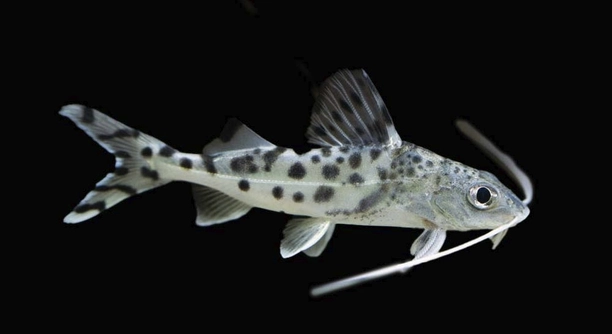
Is your pictus catfish spending most of its time hiding or swimming in circles, leaving you unsure if it’s truly engaged?
There are several low-cost ways to improve your pictus catfish’s quality of life, including adding hiding spots, rearranging tank décor, introducing floating plants, offering live food occasionally, adjusting lighting, and increasing environmental stimulation with simple tools.
These small changes can make a noticeable difference in your catfish’s behavior, helping it stay active, curious, and comfortable in its home.
Add More Hiding Spots
Pictus catfish are shy by nature and appreciate having places to retreat throughout the day. You don’t need to spend much to create cozy spaces in their tank. Simple materials like PVC pipes, terracotta pots, or even clean, smooth stones can be arranged to form secure hiding areas. These additions not only reduce stress but also encourage more natural behavior. Hiding places help them feel protected and can make them more active at night. Keep the layout varied, leaving enough space for swimming. Rearranging items occasionally keeps things fresh and engaging for your catfish without overwhelming them.
You can easily rotate decorations every few weeks to keep the environment stimulating.
Try to avoid sharp edges or unstable structures when placing decorations. Choose materials that are safe for freshwater tanks and won’t affect water chemistry. The goal is to create a secure, natural setting that promotes both comfort and curiosity.
Use Floating Plants
Floating plants give your pictus catfish shade and comfort, making the tank feel more natural and secure. They’re a simple way to reduce light exposure and add visual interest.
Duckweed, water lettuce, and frogbit are all affordable floating plants that offer excellent coverage. They’re easy to maintain and grow quickly under the right conditions. These plants diffuse overhead light, creating dimmer spots your catfish will naturally gravitate toward. This helps reduce anxiety and supports their nocturnal habits. In addition to their calming effect, floating plants improve water quality by absorbing excess nutrients and offering hiding areas for smaller tank mates. When adding plants, start with just a few to monitor how they affect filtration and light. Keep an eye on plant growth to avoid blocking too much surface area, especially around filters and air pumps. A small investment in the right plants can create a much more relaxing and natural space for your catfish.
Rearrange the Tank Occasionally
Changing the tank layout from time to time can keep your pictus catfish alert and engaged. Even small shifts in décor or plant placement can offer new paths to explore and stimulate natural behaviors.
You don’t need to make big changes. Just moving a few rocks, hiding spots, or floating plants can refresh the environment. When the space changes, your catfish will investigate and adapt, which helps prevent boredom. Always make sure any rearrangement doesn’t disrupt filtration or stress other fish in the tank. Avoid sudden, full overhauls—instead, rotate decorations every few weeks. This simple activity adds variety and gives your catfish a sense of something new without overwhelming them or disrupting water quality. A small layout change goes a long way.
Rearranging also allows you to clean areas that are hard to reach during routine maintenance. It gives you a chance to spot uneaten food, algae buildup, or waste that might be hiding behind structures. Keeping things clean while also creating new places to explore benefits both the health and happiness of your fish. A fresh layout invites curiosity and can help reduce repetitive behaviors that often come from tank monotony. Consistency in water conditions is important, so always monitor parameters after changes.
Offer Occasional Live Food
Live food gives your pictus catfish a chance to use its natural instincts. It makes feeding time more exciting and closely mimics how they would eat in the wild. This keeps them mentally and physically active.
Feed live food only as a treat, not a regular meal. Options like bloodworms, blackworms, or live brine shrimp are affordable and easy to find at most pet stores. Offering this once or twice a week is enough to provide stimulation without disrupting their regular diet. Use small amounts to avoid polluting the tank. Observe how your catfish reacts—they often become more energetic and alert during live feedings. This activity supports both their health and their need for interactive feeding. Overfeeding live food can lead to imbalances, so be mindful of portions. Combined with their regular meals, this simple change can bring out more of their natural behaviors in a safe, controlled way.
Adjust the Lighting
Soft, dim lighting helps pictus catfish feel more relaxed and secure. Bright lights can cause stress and make them hide more often. Use adjustable LED lights or add floating plants to soften the overall light in the tank.
Setting a consistent light schedule also supports their natural rhythm. Aim for about 10 to 12 hours of light each day. Too much light can disturb their behavior, while too little may affect other tank life. A timer makes it easier to stay consistent.
Use Simple Toys and Tank Accessories
Adding simple toys like ping pong balls or smooth marbles can offer mental stimulation for your pictus catfish. While they won’t play like other pets, the new textures and objects can make them more curious. Small accessories placed near their hiding spots or swimming routes encourage light interaction. Avoid clutter and keep all items fish-safe.
Keep the Tank Peaceful
Avoid adding aggressive or overly active fish to the tank. Calm surroundings help your pictus catfish feel safe and behave naturally. Constant chasing or fast movement from tank mates can increase stress and reduce their activity.
FAQ
How often should I change my pictus catfish’s tank setup?
You don’t need to change the setup too often. A small change every few weeks is enough to keep things interesting. Try rotating a few decorations or rearranging plants instead of doing a full tank makeover. Too many changes at once can stress your fish.
Can I use household items as toys or décor?
Only use items that are aquarium-safe. Clean PVC pipes, terracotta pots, and smooth glass marbles are generally safe if rinsed well. Avoid anything with sharp edges, paint, or coatings that can break down in water. Never use metal or anything with glue or adhesive.
Is live food safe for my pictus catfish?
Yes, as long as it’s from a reliable source. Live foods like bloodworms and brine shrimp are safe if handled properly. Rinse them before adding to the tank and don’t overfeed. Spoiled or unclean live food can introduce parasites or affect water quality.
What are signs that my pictus catfish is bored?
If your catfish swims in the same pattern for long periods, hides more than usual, or seems less active at night, it may be bored. Adding small changes like new hiding places or floating plants can help stimulate more natural behaviors.
Do pictus catfish need companions?
They are social and prefer being in small groups. Keeping two or three together is often better than housing just one. However, you’ll need a larger tank, at least 55 gallons, to give them enough space to swim and explore comfortably.
How much light is too much for pictus catfish?
Avoid direct, bright lighting. Use dimmable LED lights or shade the tank with floating plants. If your catfish hides constantly during the day and doesn’t come out even at night, the lighting may be too intense. Keep it soft and steady, about 10 to 12 hours per day.
Can they get along with other fish?
Yes, if the tank mates are peaceful and roughly the same size. Avoid pairing them with small fish that may be mistaken for food or overly aggressive species. Tetras, gouramis, and peaceful bottom dwellers usually work well in a community setup.
Do I need to provide a current in the tank?
Pictus catfish enjoy a light to moderate current. You can use a filter with adjustable flow or add a small powerhead. A gentle current encourages natural swimming behavior, but make sure it doesn’t push them around or stir up too much debris.
What temperature is best for them?
Keep the tank between 72°F and 78°F. Stability is more important than hitting a specific number. Sudden temperature shifts can stress the fish and affect their immune system. Use a reliable heater and thermometer to keep the range consistent.
Are floating plants hard to manage?
Not at all. Most floating plants like frogbit or duckweed grow quickly and need only basic care. Trim them when they start covering too much surface area. Make sure they don’t block filter outputs or reduce gas exchange too much across the water’s surface.
What’s the best way to introduce something new to the tank?
Do it gradually. If adding a decoration or changing the layout, try to move things slowly and avoid loud splashes or stirring up the substrate. Monitor your fish afterward for stress signs like erratic swimming or hiding more than usual.
Can music or noise stress them out?
Vibrations from loud music or tapping on the glass can stress your pictus catfish. They’re sensitive to sound carried through water. Keep the tank in a quiet area and avoid sudden noise or movement near the glass.
Do pictus catfish jump out of tanks?
Yes, they can. Always keep a secure lid on the aquarium. If startled or excited, they may leap from the tank. A tight-fitting cover helps keep them safe, especially during feeding or cleaning.
Is it okay to use colored gravel or decorations?
Yes, if the materials are aquarium-safe and don’t affect water chemistry. Rinse all gravel and décor thoroughly before placing them in the tank. Avoid items coated with paint or dyes that may chip or flake in water over time.
How do I know if my catfish is healthy?
Look for steady swimming, a clean body with no spots or tears, and active nighttime behavior. A healthy catfish will eat regularly, explore its space, and respond to movement. Any sudden change in behavior, appetite, or appearance could signal a problem.
Final Thoughts
Keeping a pictus catfish happy doesn’t need to be expensive or complicated. Small changes like adding hiding spots, adjusting the lighting, and introducing floating plants can make a big difference in their comfort and activity levels. These fish are sensitive to their surroundings, so creating a peaceful, interesting space helps them feel secure. Most of the ideas in this guide use affordable items or natural materials that are easy to find and simple to add. By focusing on the fish’s natural behaviors, you can build an environment that feels more familiar and encourages movement, curiosity, and calm behavior.
The most important part of enrichment is consistency. It’s not about constant changes, but about offering enough variety to prevent boredom and stress. Even rearranging the tank slightly or rotating toys every few weeks helps keep the environment engaging. Pictus catfish are more likely to stay active and healthy in a tank that feels safe and dynamic. Including live food occasionally, maintaining the right water temperature, and watching for signs of stress all add up to a better quality of life. Whether you’ve had your catfish for years or just added one to your tank, these small steps can build a space they enjoy.
It’s also helpful to observe your fish closely. You’ll start to notice what they respond to and what they ignore. Every pictus catfish has its own comfort zone, and some may be more active or social than others. Over time, you’ll learn how to keep your tank running smoothly without making things too complex. If the fish appears calm, swims often, and explores its space, those are all good signs. With a bit of care and creativity, you can create a setup that works well for both your catfish and the rest of your aquarium. Small changes, done with attention, lead to a healthier and more engaging life for your fish.

Hello,
If you enjoy the content that we create, please consider saying a "Thank You!" by leaving a tip.
Every little bit helps us continue crafting quality advice that supports the health, happiness, and well-being of pets around the world, for pets of all shapes, sizes, and species.
We really appreciate the kindness and support that you show us!