
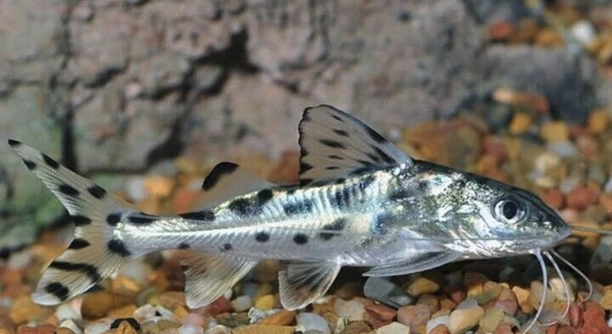
Do you ever find yourself unsure about how often to feed your pictus catfish, especially with their active nature and appetite?
Pictus catfish should be fed once or twice daily, offering only what they can consume in two to three minutes. Maintaining this routine helps prevent overfeeding, supports their health, and ensures optimal water quality in their tank.
Understanding their feeding needs can help you build a routine that supports their health and keeps your aquarium environment balanced and clean.
How Often Should You Feed Pictus Catfish
Pictus catfish are active bottom-dwellers that benefit from a regular feeding schedule. Feeding them once or twice a day is ideal. Offer small portions of food that they can finish within two to three minutes. This helps avoid uneaten food that can pollute the water. Since they are nocturnal by nature, feeding them in the evening works best. They enjoy a variety of foods including sinking pellets, frozen bloodworms, and brine shrimp. A balanced diet keeps them healthy and energetic. Consistency with feeding also helps them feel secure in their environment and keeps their natural behavior steady. Avoid overfeeding, as it can cause bloating and stress. When food remains after feeding, reduce the amount next time. Observing their eating patterns will help you adjust your routine. While they are good scavengers, they should not be relied on to clean the tank. Scheduled meals are important for their long-term well-being.
Feeding at the same time every day helps your fish develop a reliable routine and supports healthy digestion.
Overfeeding can lead to water quality problems, stress, and even disease. Keeping portions small and meals regular ensures your pictus catfish stay in good condition without harming their tank environment.
What to Feed Pictus Catfish
Pictus catfish need a mix of high-protein foods and variety in their diet to stay healthy and active.
Sinking pellets designed for carnivorous fish are a staple in a pictus catfish’s diet. Supplementing these with frozen or live foods such as bloodworms, brine shrimp, or blackworms keeps their diet balanced and satisfying. Occasional servings of vegetables like blanched zucchini or shelled peas can also support digestion, though they should not be the main component. Feeding variety helps meet their nutritional needs and keeps them from becoming picky. Avoid flake foods, as they often float and may not reach your pictus catfish at the bottom of the tank. Uneaten food should be removed quickly to prevent ammonia buildup, which can stress your fish. Stick to foods that sink and are easy to consume in short bursts. Observing how your fish respond to different food types can also guide you in refining their diet. Proper nutrition goes a long way in keeping them healthy and active.
Feeding Tips and Timing
Feeding pictus catfish in the evening aligns with their natural habits. They are more active at night, so feeding them during this time ensures better food intake and encourages natural foraging behavior. Stick to a consistent schedule to help reduce stress.
Use sinking pellets or wafers as the main part of their diet since pictus catfish are bottom feeders. When adding frozen or live food, spread it out across the tank to mimic scavenging. Watch their feeding closely for signs of overeating or food being left behind. If they lose interest quickly, reduce the quantity. Avoid feeding during tank maintenance or water changes, as stress can reduce their appetite. Keep a feeding log if needed. It helps to track patterns, especially in community tanks. If food reaches other fish first, consider using feeding tools to deliver food to the bottom more directly.
Offer food once or twice daily, but never more than they can finish in two to three minutes. Overfeeding leads to bloating and cloudy water, especially in smaller tanks. Remove leftover food after ten minutes. Weekly fasting for one day is also helpful for digestion. This approach keeps them healthy and your tank cleaner in the long run.
Signs of Overfeeding
If you notice uneaten food sinking and staying on the substrate, it’s a sign you’re feeding too much. This can make the water murky and may lead to bacterial growth, affecting your fish’s overall health.
Other signs of overfeeding include bloated bellies, sluggish swimming, or sudden changes in behavior. Fish may stop eating if they’re already full or uncomfortable. You might also see an increase in algae or cloudy water, which points to waste buildup. Maintaining good filtration helps, but overfeeding adds stress to the system. Ammonia spikes can follow, which are dangerous for all tank mates. Stick to small portions and monitor their response closely. A healthy pictus catfish will stay active, explore often, and show interest in food. If you notice they’re avoiding meals or appear lethargic, it may be a sign their diet or feeding frequency needs adjustment.
Adjusting Feeding for Tank Conditions
If your tank is heavily stocked or has a lot of activity, feed smaller amounts more frequently. This prevents competition and ensures your pictus catfish still get their share without stressing over food.
In slower tanks with fewer fish, one feeding per day is usually enough. Monitor behavior and adjust if needed.
Feeding During Illness or Stress
When pictus catfish are stressed or unwell, they often stop eating. Reduce the amount offered and focus on water quality. Avoid introducing new foods during this time. Stick with familiar items like pellets or bloodworms until they recover. Watch for signs of improvement before returning to their regular feeding schedule.
Feeding Young Pictus Catfish
Young pictus catfish need to eat more often—about two to three small meals daily. Use crushed pellets and soft, protein-rich food that’s easy to digest.
FAQ
How can I tell if my pictus catfish is eating enough?
A healthy pictus catfish will be active and alert, especially during feeding times. If it quickly searches the bottom for food and shows interest in eating, that’s a good sign. You should also observe a consistent body shape—neither too thin nor bloated. If you notice leftover food, adjust portion sizes. A loss of appetite or hiding during feeding may indicate stress or illness. Watch your fish regularly to understand their normal habits. Subtle changes in behavior often point to feeding or water quality issues.
Can pictus catfish go a day without food?
Yes, healthy adult pictus catfish can easily go one day without food. In fact, scheduling one fasting day per week can support their digestion and help prevent overfeeding. It mimics natural feeding patterns in the wild, where food isn’t always available daily. Just make sure the fasting day isn’t during other stressors like tank cleaning or relocation. Young catfish, however, may require more consistent feeding and should not be fasted until they are more developed. For adult fish in stable conditions, one missed day will not harm them and may even benefit their system.
Is it okay to feed pictus catfish during the day?
It’s okay to feed them during the day, but they are naturally more active in the evening and at night. Feeding in the evening aligns better with their instincts and encourages more enthusiastic eating. If your schedule only allows daytime feeding, try to keep it consistent and observe how your fish respond. Some pictus catfish adapt to daytime feeding, especially if it’s quiet and there’s low activity around the tank. The key is regularity and offering the right amount. No matter the time, avoid feeding when lights are suddenly turned on or off, as this can startle them.
What happens if I feed my pictus catfish too much protein?
Too much protein in their diet can cause waste buildup in the tank and place strain on their digestive system. While pictus catfish are carnivorous and need high-protein foods, balance is still important. Overfeeding rich foods like bloodworms and live insects may lead to bloating, poor water quality, and even fatty liver disease over time. Use high-protein items as part of a varied diet, not the only component. Pellets formulated for bottom-dwelling carnivores usually have the right balance of nutrients. Watch for signs like excessive waste or sluggishness, and scale back if needed.
Do pictus catfish help clean the tank by eating leftovers?
Pictus catfish will eat food that sinks to the bottom, but they shouldn’t be expected to “clean” the tank. They still require proper feeding, and leftovers alone aren’t enough to meet their nutritional needs. Relying on uneaten scraps can lead to poor diet and health problems. Uneaten food also decays quickly, damaging water quality. Use gravel vacuums and regular maintenance to keep the substrate clean, and give your catfish proper meals. They’re scavengers, but not cleanup crews. Feeding them the right way makes a bigger difference than hoping they’ll eat what’s left behind.
How do I safely introduce new food into their diet?
When introducing a new food, do it gradually. Start by mixing small amounts with their usual diet to see how they react. Watch closely for any signs of digestive issues, such as bloating or a lack of appetite. Some fish are slow to accept change, but consistency helps. If they ignore the new food, try again after a few days or offer it at a different time. Always choose high-quality, safe products designed for tropical fish. Avoid human food, and rinse frozen food before feeding. Keep their environment calm during the change to reduce any added stress.
Can I feed my pictus catfish vegetables?
Yes, but only in small amounts. Blanched vegetables like zucchini, cucumber, or shelled peas can be offered occasionally. These help with digestion and add variety to their diet. Vegetables should be soft and cut into small pieces so they can eat them easily. Remove any uneaten parts after a few hours to keep the tank clean. While they’re not herbivores, small vegetable servings won’t hurt and may offer added benefits. Just avoid feeding veggies too often. Protein should still be the main part of their diet.
Why is my pictus catfish not eating?
There are several reasons a pictus catfish might stop eating. Stress from tank changes, poor water quality, or illness can reduce appetite. Check your water parameters first—ammonia, nitrite, and nitrate levels all affect behavior. Make sure they have enough hiding spots and that lighting is not too harsh. If you’ve just added them to the tank, they may need time to adjust. Stick to familiar foods and keep the environment quiet. If the fish hasn’t eaten for more than a few days and shows other symptoms like lethargy or bloating, consult an aquatic vet or specialist.
How do I feed pictus catfish in a community tank?
Use sinking pellets or tablets that reach the bottom quickly. Add food in different areas to reduce competition and ensure your pictus catfish get their share. Feed tank mates separately at the surface first to distract them. This gives bottom-dwellers time to find food undisturbed. If your pictus catfish are still missing meals, consider feeding after the tank lights are dimmed. Monitor to make sure everyone is eating. Avoid overfeeding the whole tank just to get food to the bottom. The goal is equal access without crowding or stress.
Final Thoughts
Feeding your pictus catfish the right way helps them stay healthy and active. These fish need a balanced diet, regular feeding times, and a clean tank to thrive. Offering small portions once or twice a day is usually enough for adults. Young pictus catfish, on the other hand, need smaller, more frequent meals to support growth. Watching their behavior during feeding gives you a good idea of what they need. If they are energetic and searching the bottom for food, they are likely doing well. Consistency, variety, and clean water are the main things to focus on.
It’s also important to remember that pictus catfish are bottom feeders, so their food should reach the tank floor. Sinking pellets, frozen bloodworms, and occasional vegetables can make up a healthy and varied diet. Avoid feeding too much protein or letting food sit in the tank, as this can affect water quality. When conditions change, such as stress or illness, you may need to adjust how and what you feed them. In those cases, feed less and avoid adding new foods. Sticking to familiar items during difficult times helps reduce discomfort. Slow changes are better when adjusting their diet.
Feeding should never be rushed. Watch how they eat, check for any uneaten food, and make small adjustments if needed. A weekly fasting day is also helpful and gives their digestive system a short break. In community tanks, spread out food and give bottom-feeders a chance to eat before it gets taken by others. Every tank is a little different, so observation plays a big role in success. Over time, you’ll learn what works best for your fish and how to spot early signs of feeding issues. With patience and care, your pictus catfish will remain an active and enjoyable part of your aquarium.

Hello,
If you enjoy the content that we create, please consider saying a "Thank You!" by leaving a tip.
Every little bit helps us continue crafting quality advice that supports the health, happiness, and well-being of pets around the world, for pets of all shapes, sizes, and species.
We really appreciate the kindness and support that you show us!