
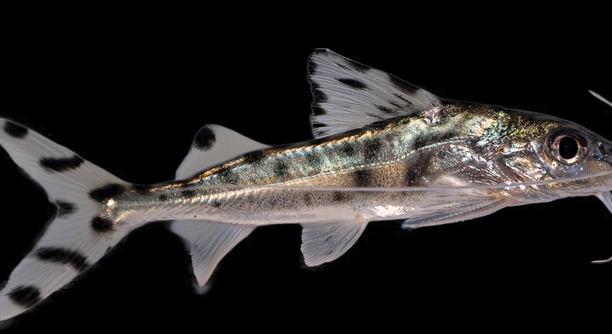
Many people enjoy keeping pictus catfish as part of their aquarium collection. These active fish require a well-maintained environment to thrive. Knowing what items to avoid placing in a pictus tank helps maintain their health and comfort.
Certain objects can harm pictus catfish by polluting water, causing injury, or disrupting their natural behavior. Avoid sharp decorations, harmful chemicals, improper substrates, and incompatible tank mates to ensure a safe habitat. Careful selection supports their well-being.
Understanding these key points will help you create a balanced tank that keeps your pictus catfish healthy and happy for years to come.
Sharp Decorations and Rough Surfaces
Sharp decorations and rough surfaces in a pictus tank can cause serious injuries to your fish. Pictus catfish have delicate fins and barbels that are easily damaged by jagged or abrasive materials. Avoid using sharp rocks, broken glass, or rough plastic ornaments. Instead, opt for smooth stones and polished decorations that won’t harm their sensitive skin. Injuries from sharp objects can lead to infections, which may be difficult to treat and could threaten the fish’s health. Always check decorations carefully before adding them to the tank. Keeping the environment safe reduces stress for the fish and helps maintain water quality, as injured fish can introduce contaminants. Maintaining a gentle habitat is essential to keep pictus catfish active and healthy.
Keeping your tank free of sharp objects protects your fish from wounds and supports a calm, stable environment.
Selecting smooth, natural decorations not only prevents injury but also mimics the catfish’s natural habitat. Driftwood and smooth river stones create hiding places and resting spots without risk. Avoid cheap plastic pieces with rough edges or points. Regularly inspect decorations for damage or sharp areas developing over time. If you find any hazards, remove or replace them immediately. Providing a safe tank layout encourages normal swimming and feeding behaviors. This careful attention to tank setup promotes longer, healthier lives for pictus catfish.
Harmful Chemicals and Contaminants
Avoid introducing harmful chemicals into the pictus tank, including cleaners and untreated tap water.
Chemicals such as chlorine, ammonia, and pesticides can quickly poison pictus catfish. Even residues from household cleaning products on tank equipment can be dangerous. Always rinse decorations and tools thoroughly before use. Use water conditioners to remove chlorine and chloramine from tap water during water changes. Pictus catfish are sensitive to water quality, and exposure to toxins stresses their immune systems. This weakens their resistance to disease. Avoid overfeeding, as uneaten food decomposes and releases ammonia, further degrading water quality. Regular testing of water parameters ensures a safe environment. By maintaining chemical-free water, you support the fish’s health and reduce the risk of illness. Clean, well-maintained water promotes active and vibrant pictus catfish.
If you care for your fish, prioritizing chemical safety and water quality is essential for their long-term well-being.
Incompatible Tank Mates
Some fish species do not get along with pictus catfish. Aggressive or territorial fish can stress pictus, leading to injury or illness. Avoid housing them with large, aggressive species that may bully or chase them.
Pictus catfish prefer peaceful tank mates that share similar water requirements. Small schooling fish like tetras or rasboras work well. Avoid fin-nippers such as some barbs and aggressive cichlids. Compatibility promotes a calm environment where pictus catfish can swim freely and feed without stress. Proper tank mate selection reduces conflicts and supports their natural behavior.
Introducing incompatible species can disrupt the tank’s balance. Aggression causes pictus to hide excessively or lose appetite. Stress weakens their immune system and may lead to disease. Monitor interactions closely when adding new fish and be ready to separate incompatible ones. Maintaining harmony in the tank is key to the pictus catfish’s health and longevity.
Improper Substrate
Using the wrong substrate can harm pictus catfish. Sharp gravel or rough stones can injure their barbels, which are vital for sensing their environment.
Fine sand is the best choice for pictus tanks. It allows them to forage naturally without risking cuts or damage. Sand also prevents debris from getting trapped, making cleaning easier. Avoid substrates that are too coarse or rough, as these increase injury risk and cause stress. The substrate should be gentle to support the catfish’s bottom-dwelling lifestyle.
A soft substrate mimics their natural habitat and encourages healthy behavior. Pictus catfish sift through sand to find food, so a comfortable substrate helps reduce stress and promotes feeding. Regular substrate cleaning is important to avoid buildup of waste and toxins. Choosing the right substrate contributes significantly to the overall well-being and happiness of your pictus catfish.
Overfeeding and Uneaten Food
Overfeeding pictus catfish leads to water quality problems. Excess food decomposes and raises toxin levels.
Feeding small amounts once or twice daily is enough. Remove leftover food to keep the tank clean and safe for your fish.
Toxic Plants
Some aquatic plants release toxins harmful to pictus catfish. Avoid species like Amazon sword or certain Anubias variants that may decay quickly or leach chemicals. Research plants before adding them to the tank.
Inadequate Filtration
Strong filtration is necessary for pictus tanks. These fish produce moderate waste, so a filter that maintains clear, well-oxygenated water is important to prevent stress and illness.
Sudden Temperature Changes
Pictus catfish are sensitive to rapid shifts in water temperature. Avoid sudden drops or rises that can shock them and cause health issues. Keep water temperature stable within their preferred range.
FAQ
What should I avoid putting in a pictus tank?
Avoid sharp decorations, rough substrates, harmful chemicals, toxic plants, and aggressive tank mates. These items can injure or stress your pictus catfish, reducing their lifespan. Overfeeding and poor filtration also harm water quality, affecting fish health. Always use smooth, natural decorations and safe plants, and monitor water conditions regularly.
Can pictus catfish live with other fish?
Yes, but compatibility is key. Choose peaceful, small fish that won’t nip fins or chase pictus catfish. Avoid large, aggressive, or territorial species. Ideal tank mates include small tetras, rasboras, and other calm community fish. Watch behavior closely and separate fish if any aggression occurs.
Why is substrate important for pictus catfish?
Pictus catfish use their barbels to forage, which are sensitive. Rough or sharp substrates can injure them. Fine sand is the best substrate because it’s gentle and allows natural foraging. Avoid gravel or coarse stones that risk cuts or damage to barbels.
How often should I feed pictus catfish?
Feed small amounts once or twice daily. Overfeeding leads to leftover food, which decomposes and harms water quality. Remove any uneaten food within 10–15 minutes to keep the tank clean. Balanced feeding supports healthy growth without polluting the water.
Are all aquatic plants safe for pictus tanks?
No, some plants release toxins or decay quickly, affecting water quality. Research plants before adding them. Avoid plants like Amazon sword or certain Anubias varieties that may be harmful. Opt for hardy, non-toxic plants that won’t negatively affect your fish.
How important is filtration for pictus catfish tanks?
Filtration is very important. Pictus catfish produce waste that can quickly pollute the water. A strong filter maintains clean, well-oxygenated water, reducing stress and risk of disease. Regular filter maintenance is essential to keep the tank environment stable and healthy.
What water temperature is best for pictus catfish?
Pictus catfish prefer stable temperatures between 74°F and 79°F (23°C to 26°C). Sudden temperature changes can shock them and cause illness. Use a reliable heater and thermometer to keep water temperature consistent within this range.
Can overfeeding cause health problems in pictus catfish?
Yes, overfeeding can pollute the water and lead to obesity in fish. Excess food decays and raises ammonia and nitrate levels, stressing fish and encouraging disease. Feeding controlled portions and removing leftovers helps maintain water quality and fish health.
Why should I avoid sharp decorations in the tank?
Sharp objects can injure pictus catfish’s fins and barbels. Injuries create entry points for infections and cause stress. Using smooth stones, driftwood, or polished ornaments prevents harm and encourages natural behaviors without risk.
How can I tell if my pictus catfish is stressed?
Signs include hiding excessively, loss of appetite, rapid breathing, or damaged fins. Stress can result from poor water quality, aggressive tank mates, or unsafe tank conditions. Addressing these factors promptly improves their health and behavior.
Is it safe to use tap water for the tank?
Tap water must be treated before use. It often contains chlorine and chloramine, which are toxic to fish. Use a water conditioner to neutralize harmful chemicals. Regular water testing ensures safe conditions for your pictus catfish.
How often should I clean the tank?
Perform partial water changes weekly or biweekly, replacing 20–30% of the water. Clean substrate and remove debris regularly to prevent toxin buildup. Avoid cleaning everything at once to preserve beneficial bacteria essential for a healthy tank ecosystem.
Can pictus catfish live alone?
While pictus catfish can survive alone, they thrive better in groups of at least three or more. Group living reduces stress and encourages natural social behaviors, improving their overall well-being.
What signs indicate poor water quality?
Cloudy water, strong odors, fish gasping at the surface, or unusual behavior suggest poor water quality. Regularly test ammonia, nitrite, and nitrate levels. Promptly correct imbalances through water changes and filter maintenance.
Are there any specific plants that benefit pictus catfish tanks?
Plants like Java fern, Anubias (non-toxic types), and hornwort are hardy and safe. They provide shelter and improve water quality by absorbing nitrates. Avoid plants that decompose quickly or release toxins. Healthy plants contribute to a balanced, natural environment.
Taking care of pictus catfish requires attention to their environment and needs. Avoiding certain items in their tank is important to keep them healthy and stress-free. Sharp decorations, harmful chemicals, aggressive fish, and rough substrates can all cause problems for pictus catfish. These fish have delicate fins and sensitive barbels, which can easily get injured or infected. Choosing smooth decorations and fine sand helps protect them from harm. Keeping the tank clean and well-filtered supports good water quality, which is essential for their well-being.
Feeding pictus catfish properly is also crucial. Overfeeding can quickly pollute the tank water, leading to poor living conditions. It is best to feed small amounts once or twice a day and remove any uneaten food promptly. This practice helps prevent excess waste buildup and keeps the water clear and safe. Along with good feeding habits, maintaining stable water temperature and avoiding sudden changes protects pictus catfish from unnecessary stress. These fish thrive in calm environments with steady conditions, which promote healthy growth and natural behavior.
Overall, understanding what to avoid putting in a pictus tank plays a big role in their health and happiness. By carefully selecting tank mates, decorations, plants, and substrate, you create a safe habitat where pictus catfish can flourish. Paying close attention to water quality and feeding habits supports their long-term survival. Taking these simple but important steps makes caring for pictus catfish more rewarding. The effort invested in creating the right environment will help ensure your fish stay active, healthy, and vibrant for years.

Hello,
If you enjoy the content that we create, please consider saying a "Thank You!" by leaving a tip.
Every little bit helps us continue crafting quality advice that supports the health, happiness, and well-being of pets around the world, for pets of all shapes, sizes, and species.
We really appreciate the kindness and support that you show us!