
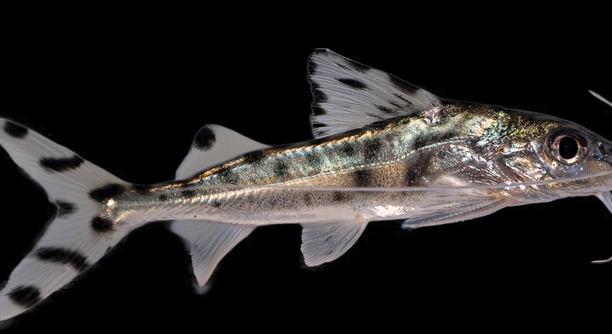
Handling an aggressive Pictus catfish can be challenging for many aquarium enthusiasts. These fish are known for their energetic nature and occasional territorial behavior. Understanding how to manage their aggression is important for a peaceful tank environment.
The key to handling an aggressive Pictus catfish involves providing adequate space, hiding spots, and a balanced diet. Ensuring compatible tank mates and monitoring their behavior can reduce stress and aggression significantly.
Learning how to care for these fish properly can improve their temperament and your overall aquarium experience. Proper steps will help maintain harmony in your aquatic community.
Understanding Pictus Catfish Aggression
Pictus catfish are naturally active and can become territorial, especially in smaller tanks. Their aggression often arises from feeling crowded or stressed. Providing plenty of space and hiding places helps reduce this behavior. These fish prefer a tank size of at least 55 gallons to swim freely and establish their territory without conflict. Overstocking a tank increases stress and triggers aggression. Additionally, sudden changes in water conditions or poor water quality can make Pictus catfish more irritable. Consistent water parameters and a clean environment are essential for their calmness. These catfish also respond well to a varied diet, including live and frozen foods, which keeps them healthy and less prone to aggression. Avoiding aggressive tank mates can prevent fights and injuries. Observing the fish daily allows early detection of stress or bullying, making it easier to take corrective action. A well-maintained, spacious, and stable environment minimizes aggression and promotes peaceful behavior in Pictus catfish.
Aggression in Pictus catfish is mostly triggered by stress, poor tank conditions, and overcrowding.
Maintaining a proper tank setup is key to managing aggression. Larger tanks with stable conditions create a comfortable space. Providing caves and plants gives Pictus catfish places to hide and feel safe. Balanced feeding prevents competition for food, which can lead to fights. Selecting compatible tank mates that are non-aggressive and similar in size reduces conflicts. Regular monitoring of fish behavior allows for timely intervention if aggression increases. Sometimes, rearranging decorations helps break territorial boundaries, reducing tension. If aggression persists, separating aggressive individuals temporarily or permanently can protect other fish. Taking these steps ensures a more harmonious aquarium where Pictus catfish can thrive peacefully.
Managing Aggressive Behavior Effectively
Aggressive behavior needs consistent attention and careful management to prevent damage.
Controlling aggression requires patience and a proactive approach. Adjusting the tank environment by increasing space and providing more hiding spots helps calm the fish. Feeding schedules should be regular and sufficient to avoid food-related competition. Avoid sudden changes in water temperature or chemistry, as these stress the catfish. Keeping tank mates peaceful and avoiding overcrowding reduces triggers for aggressive behavior. Regular observation is necessary to detect early signs of conflict and intervene. In some cases, introducing distractions like floating plants or rearranging decorations can divert aggressive tendencies. If necessary, isolate the aggressive fish to protect others until it calms down. These strategies work best when applied consistently and with attention to the fish’s needs. Maintaining a stable and enriching environment supports the well-being of Pictus catfish and limits aggressive outbreaks.
Tank Setup for Pictus Catfish
A proper tank setup is essential to reduce aggression in Pictus catfish. Provide ample space, at least 55 gallons, with plenty of hiding spots like caves and plants. This helps them feel secure and less likely to act aggressively toward tank mates.
Adequate hiding places allow Pictus catfish to establish territories without constant confrontation. Use driftwood, rocks, and dense vegetation to create multiple shelters. Avoid overcrowding by limiting the number of fish, which decreases stress and territorial disputes. A sandy or fine gravel substrate is preferred since it is gentle on their barbels. Proper filtration and regular water changes keep water quality high, preventing irritability caused by poor conditions. Maintaining stable temperature and pH levels also supports a peaceful environment.
Lighting should be moderate, avoiding harsh brightness that can stress Pictus catfish. Soft lighting combined with shaded areas helps them feel safe. Consistent tank maintenance, including cleaning and monitoring water parameters, ensures a healthy habitat. Thoughtful decoration placement disrupts sightlines, which helps break up aggression caused by territorial behavior. A well-planned tank encourages calm interactions and reduces aggressive episodes.
Feeding Practices to Reduce Aggression
Feeding habits influence the behavior of Pictus catfish and can help manage aggression effectively.
Offer a varied diet including high-quality sinking pellets, frozen bloodworms, and brine shrimp to satisfy their nutritional needs. Feeding smaller portions multiple times a day prevents competition and stress. Avoid overfeeding, as leftover food can foul the tank, impacting water quality and fish health. Feeding should be consistent in timing and amount to build a routine, which reduces anxiety and aggressive competition. Observe feeding to ensure all fish get access to food, especially slower eaters. Removing uneaten food after 10 minutes helps maintain cleanliness and reduces territorial guarding of food spots. Balanced feeding supports health and lessens fights over resources.
Choosing Compatible Tank Mates
Selecting peaceful tank mates is crucial to prevent aggression. Avoid small, slow-moving fish that might be seen as prey. Larger, non-aggressive species work best to keep harmony in the tank.
Active, mid-sized fish that share similar water needs make good companions. Avoid aggressive or territorial species that may provoke fights with Pictus catfish.
Signs of Excessive Aggression
Excessive aggression includes constant chasing, fin nipping, and hiding. Fish may show stress by losing color or refusing food. Early detection helps prevent injuries and tank disturbances.
Monitoring behavior regularly allows quick adjustments to the environment or fish grouping to control aggression before it escalates.
Separating Aggressive Fish
If aggression persists, separating the aggressive Pictus catfish temporarily can protect other fish. Use a quarantine or partitioned tank to isolate the fish safely.
Separation reduces stress on the tank community and gives the aggressive fish time to calm down before reintroduction.
FAQ
Why is my Pictus catfish aggressive all of a sudden?
Sudden aggression in Pictus catfish is often linked to changes in their environment. This could be due to overcrowding, poor water quality, or recent additions of new fish that disrupt their established territory. Stress from fluctuating water temperature or pH can also cause irritability. It is important to check water parameters regularly and ensure the tank is clean. Sometimes rearranging decorations can help break territorial boundaries and reduce aggressive behavior.
How can I safely handle an aggressive Pictus catfish?
When dealing with an aggressive Pictus catfish, avoid sudden movements around the tank, which can increase their stress and aggression. If you need to move the fish, use a soft net and be gentle to minimize injury. Providing plenty of hiding spots helps the fish feel secure and less likely to lash out. In cases of persistent aggression, temporarily isolating the fish in a separate tank can be beneficial for everyone’s safety.
Can tank size affect Pictus catfish aggression?
Yes, tank size plays a significant role in Pictus catfish behavior. Smaller tanks limit swimming space and increase territorial disputes. A minimum of 55 gallons is recommended to give these fish room to swim freely and establish their own space. More space reduces stress and allows for better coexistence with tank mates, which decreases aggressive incidents.
What types of tank mates work best with Pictus catfish?
Compatible tank mates for Pictus catfish are generally peaceful, medium-sized fish that occupy different areas of the tank. Avoid small, slow-moving fish that can be seen as prey, and aggressive species that might challenge them. Good companions include certain tetras, danios, and larger peaceful cichlids. Always observe how fish interact after adding new tank mates to address any aggression quickly.
How often should I feed my Pictus catfish to reduce aggression?
Feeding your Pictus catfish smaller portions multiple times a day helps reduce competition and aggressive behavior during mealtime. Providing a varied diet with sinking pellets, frozen foods, and occasional live foods keeps them healthy and satisfied. Remove uneaten food after about 10 minutes to prevent water quality issues, which can increase stress and aggression.
What are the signs that aggression is harming my fish?
Physical signs include torn or frayed fins, visible wounds, and discoloration. Behavioral signs include constant hiding, reduced appetite, or lethargy. If these symptoms appear, it’s important to act quickly to adjust the tank environment or separate the aggressive fish to prevent serious injuries.
Can rearranging the tank help with aggression?
Yes, rearranging decorations and plants can disrupt established territories, which helps reduce fighting. By breaking visual boundaries, fish are less likely to feel the need to defend specific areas aggressively. Regular changes in tank layout can keep territorial behaviors in check.
Is it normal for Pictus catfish to be aggressive at night?
Pictus catfish are nocturnal and more active during the evening and night. Increased activity can sometimes appear aggressive, but it is often natural behavior. Providing sufficient hiding spots and a calm environment during these hours helps prevent this activity from turning into real aggression.
What should I do if aggression continues despite changes?
If aggression persists after improving tank conditions, feeding, and tank mate selection, consider isolating the aggressive fish. Using a quarantine tank or divider allows the fish to calm down. Long-term separation may be necessary in some cases to protect other fish and maintain a peaceful aquarium.
Does water quality directly affect aggression?
Poor water quality is a major stress factor for Pictus catfish. Elevated ammonia, nitrites, or nitrates can cause irritation and aggressive behavior. Regular water testing and changes keep water safe and stable, which supports calmer behavior. Clean, well-maintained tanks reduce the risk of aggression caused by stress.
Can adding plants reduce aggression?
Live or artificial plants provide hiding places and break up the tank visually. This creates natural barriers that help fish avoid direct confrontations. Plants also improve water quality by oxygenating the water and reducing stress, contributing to a calmer tank environment.
Are there any signs that aggression is about to start?
Before aggression begins, fish may flare their fins, chase others briefly, or swim quickly around the tank. Early signs often include chasing or posturing without actual physical contact. Recognizing these behaviors early allows for intervention before fights escalate.
How important is tank maintenance in controlling aggression?
Tank maintenance is vital. Dirty tanks with poor water quality cause stress, which increases aggression. Regular water changes, filter cleaning, and substrate vacuuming maintain a healthy environment. Consistency in maintenance routines supports stable conditions and less aggressive behavior.
Can stress cause aggression in Pictus catfish?
Stress from overcrowding, sudden changes, poor water quality, or aggressive tank mates is a common trigger for Pictus catfish aggression. Reducing stress by addressing these factors promotes calmer behavior and a healthier tank community.
What role does lighting play in aggression?
Harsh lighting can stress Pictus catfish, increasing their aggressive behavior. Providing moderate lighting with shaded areas mimics their natural environment and helps reduce stress-related aggression. Adjust lighting to ensure the fish have places to retreat from bright light.
Is it necessary to remove aggressive fish permanently?
Permanent removal is a last resort but sometimes necessary to protect other fish. If an individual remains aggressive despite all interventions, rehoming or separating the fish ensures a safer and more peaceful aquarium for everyone else.
Final Thoughts
Managing an aggressive Pictus catfish requires patience and consistent care. These fish are naturally active and sometimes territorial, but their aggression can often be controlled by providing the right environment. A spacious tank with enough hiding spots is essential to reduce stress and allow the fish to establish their territory without constant conflict. Maintaining stable water conditions and regular tank cleaning also plays a large role in keeping aggression at bay. When these factors are in place, Pictus catfish tend to be calmer and more comfortable in their surroundings.
Feeding practices have a direct impact on the behavior of Pictus catfish. Offering a balanced diet with appropriate portions throughout the day helps prevent competition for food, which is a common trigger for aggression. Removing uneaten food promptly keeps the tank clean and supports water quality, further lowering stress levels for all fish. It is also important to choose tank mates carefully. Peaceful, similarly sized fish that live in different parts of the tank reduce the chance of conflicts. Monitoring how fish interact after adding new companions helps identify problems early, allowing quick adjustments.
Sometimes aggression persists despite all efforts. In these cases, separating the aggressive fish temporarily or permanently may be necessary to protect others in the tank. Rearranging decorations or adding more hiding places can also help disrupt territorial behavior. The key is to observe the fish closely and respond to changes in behavior before issues worsen. With proper care and attention, it is possible to maintain a peaceful aquarium where Pictus catfish and their tank mates can coexist happily. These steps support both the health of the fish and the enjoyment of the aquarium owner.

Hello,
If you enjoy the content that we create, please consider saying a "Thank You!" by leaving a tip.
Every little bit helps us continue crafting quality advice that supports the health, happiness, and well-being of pets around the world, for pets of all shapes, sizes, and species.
We really appreciate the kindness and support that you show us!