
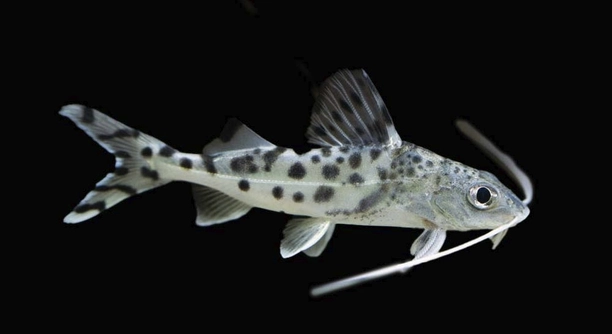
Food Pictus Catfish are popular in home aquariums because of their active nature and peaceful temperament. Feeding them properly is important for their health and well-being. Knowing what types of food they enjoy helps maintain a balanced diet for these fish.
Pictus Catfish prefer a variety of foods, including live, frozen, and prepared options. Common favorites include bloodworms, brine shrimp, sinking pellets, and small insects. Their diet benefits from diversity to support their nutritional needs and natural behavior.
Understanding the different types of food Pictus Catfish love can improve their care and keep them thriving in your aquarium environment. This guide will cover the main food choices that suit their dietary requirements.
Live Foods for Pictus Catfish
Live foods are a natural choice for Pictus Catfish because they closely mimic their diet in the wild. These catfish enjoy hunting small creatures like bloodworms, mosquito larvae, and brine shrimp. Feeding live foods helps stimulate their natural hunting instincts, encouraging activity and mental engagement. Live foods are rich in protein, which supports growth and overall health. However, it is important to source these foods from reliable suppliers to avoid introducing diseases into the aquarium. Live foods can be offered a few times a week to provide variety. Offering too much live food can lead to water quality issues, so moderation is key. Balancing live foods with other types ensures a complete diet and keeps the fish healthy. Using live foods alongside frozen or pellet options creates a balanced feeding routine that meets nutritional needs without overfeeding.
Live foods provide essential nutrients and encourage natural behaviors in Pictus Catfish, enhancing their health and activity in the tank.
Offering live foods occasionally keeps Pictus Catfish stimulated while supporting their nutritional needs and natural hunting habits.
Frozen and Freeze-Dried Foods
Frozen and freeze-dried foods are convenient and nutritious alternatives to live foods. These options include bloodworms, brine shrimp, and daphnia, which retain most of their nutritional value after processing. Frozen foods should be thawed before feeding, while freeze-dried foods can be softened with water to prevent digestive problems. These foods are less risky than live foods in terms of disease transmission. They are easy to store and have a longer shelf life, making them a practical choice for regular feeding. Feeding a mix of frozen and freeze-dried foods helps ensure variety and nutrition in the diet. Many Pictus Catfish respond well to these foods, readily accepting them. When combined with pellets and flakes, frozen and freeze-dried options contribute to a balanced and healthy diet. Monitoring portion sizes is important to prevent leftover food from polluting the tank.
Frozen and freeze-dried foods provide a safe, nutritious way to supplement Pictus Catfish diets regularly. They are a practical and flexible feeding option.
These foods help maintain diet variety, support health, and reduce the risks associated with live food feeding while being convenient for aquarists.
Sinking Pellets and Tablets
Sinking pellets and tablets are designed to reach the bottom of the tank, where Pictus Catfish typically feed. These foods provide balanced nutrition tailored for bottom feeders. Pellets are easy to store and convenient to use.
These pellets usually contain a mix of proteins, vitamins, and minerals to support the catfish’s health. Because Pictus Catfish are bottom dwellers, floating food often goes uneaten. Sinking pellets ensure the fish can find and consume their food without competition from surface feeders. They come in various sizes, so choosing the right size for your fish is important to avoid choking or waste. Feeding pellets daily or every other day helps maintain a consistent diet. Avoid overfeeding to keep the tank clean and prevent obesity.
Some tablets dissolve slowly, releasing nutrients over time, which can help feed the fish steadily. These are especially useful for longer feeding intervals or when keeping multiple bottom feeders together.
Small Insects and Worms
Small insects and worms are a natural protein source that Pictus Catfish enjoy. These foods include tubifex worms, black soldier fly larvae, and small earthworms. They support muscle development and overall vitality.
Worms and insects are rich in protein and fat, which provide the energy needed for active swimming and growth. Tubifex worms, often sold frozen or live, are a common choice but must be sourced carefully to avoid contamination. Black soldier fly larvae are a good alternative because they are easy to raise and less likely to carry diseases. Including small insects and worms in the diet gives variety and mimics the catfish’s natural feeding habits. Feeding these foods a couple of times a week ensures balanced nutrition. Handling these foods properly and feeding in moderation prevents water quality issues from uneaten leftovers. This natural diet supplement can boost the immune system and keep the fish active.
Vegetables and Plant Matter
Pictus Catfish occasionally eat soft vegetables, such as zucchini or cucumber slices. These provide fiber and help with digestion.
Vegetables should be blanched or softened before feeding. Small amounts can be offered once or twice a week to add variety to their diet.
Prepared Flake and Pellet Foods
Prepared flake and pellet foods designed for carnivorous or omnivorous fish can be part of the Pictus Catfish diet. These foods are formulated to provide essential nutrients, vitamins, and minerals necessary for health and growth. While pellets are preferred because they sink, flakes can also be accepted if they settle to the bottom. Including these prepared foods ensures a consistent source of balanced nutrition when live or frozen foods are not available. Feeding a combination of prepared and natural foods can help maintain a healthy and varied diet. It is important to choose high-quality brands to avoid fillers and additives that may harm water quality.
Avoid Overfeeding
Overfeeding can harm Pictus Catfish and degrade tank conditions. Feeding small portions that they consume within minutes is best.
FAQ
What is the best food to feed Pictus Catfish daily?
A varied diet is best for Pictus Catfish. Sinking pellets can be fed daily as a staple because they provide balanced nutrition and reach the bottom where these fish feed. Supplement pellets with live or frozen foods like bloodworms or brine shrimp several times a week to ensure proper protein intake. Including occasional vegetable treats can support digestion. Avoid feeding only one type of food to keep their diet balanced.
Can Pictus Catfish eat flakes meant for other fish?
Yes, Pictus Catfish may eat flake foods, but flakes are not ideal because they tend to float and can be eaten by surface feeders before the catfish get to them. If flakes are used, make sure they sink to the bottom or feed smaller amounts that will quickly reach the catfish. Sinking pellets and tablets are a better option to ensure Pictus Catfish get enough nutrition.
How often should I feed my Pictus Catfish?
Feeding once or twice a day is sufficient. Small portions that the fish can eat within 2-3 minutes are ideal to prevent leftover food from polluting the tank. Overfeeding can lead to poor water quality and health problems. Monitor how much your fish consume and adjust feeding accordingly. Juvenile fish may require more frequent feedings compared to adults.
Are live foods necessary for Pictus Catfish?
Live foods are not strictly necessary but they offer benefits. They stimulate natural hunting behavior and are rich in protein. If you cannot provide live foods regularly, frozen or freeze-dried options are good alternatives. Many Pictus Catfish thrive on a combination of prepared sinking pellets and frozen foods without live options.
What vegetables can I feed to Pictus Catfish?
Soft vegetables like blanched zucchini, cucumber, and peas are safe options. These vegetables provide fiber and help with digestion. Always blanch or soften the vegetables to make them easier to eat. Offer vegetables sparingly, about once or twice a week, as part of a balanced diet.
Is it safe to feed Pictus Catfish worms?
Yes, worms such as tubifex or black soldier fly larvae can be fed to Pictus Catfish. These foods are rich in protein and promote muscle growth and activity. Source worms from trusted suppliers to avoid contamination. Feed worms occasionally, not as the sole diet, to maintain nutritional balance.
Can overfeeding harm my Pictus Catfish?
Overfeeding can cause obesity, poor water quality, and stress on your fish. Uneaten food decomposes and leads to ammonia spikes, harming the tank environment. Feed only what the fish can consume in a few minutes. Regular tank maintenance and water testing help keep your fish healthy.
Should I use tablets that dissolve slowly?
Slow-dissolving tablets can be useful for steady feeding, especially if you keep multiple bottom feeders or cannot feed frequently. These tablets release nutrients over time but should not replace regular feedings. Use them as a supplement rather than the main diet.
Can Pictus Catfish survive on pellets alone?
While pellets can sustain Pictus Catfish, relying solely on them may lead to nutritional gaps and boredom. Including frozen, live, or vegetable foods improves diet quality and stimulates natural behaviors. Variety in food types supports better health and longevity.
What signs indicate my Pictus Catfish is not eating properly?
Loss of appetite, weight loss, and lethargy may indicate feeding problems or health issues. Watch for signs of illness such as unusual spots or slow movement. If fish stop eating or behave abnormally, check water quality and consider changing diet or consulting a vet.
Final Thoughts
Feeding Pictus Catfish the right foods is essential for their health and happiness. These fish thrive on a varied diet that includes sinking pellets, live or frozen foods, and occasional vegetable treats. Providing a balanced mix of these food types helps support their growth, activity, and immune system. It also encourages their natural behaviors, such as hunting and foraging, which keep them engaged in the aquarium. Regularly changing the types of food offered ensures they receive a wide range of nutrients needed to stay healthy over time.
It is important to avoid overfeeding Pictus Catfish. Feeding small portions that the fish can finish within a few minutes helps maintain good water quality and prevents leftover food from decaying in the tank. Overfeeding can lead to obesity and poor water conditions, both of which put stress on the fish and can cause illness. A consistent feeding schedule with careful portion control is the best way to keep your catfish in good shape. Monitoring their eating habits and adjusting the amount of food given helps you provide the right care.
Lastly, sourcing quality foods is a key part of successful feeding. Live foods should be bought from reputable suppliers to reduce the risk of introducing diseases into your aquarium. Frozen and freeze-dried foods are safer alternatives and still provide good nutrition. Prepared pellets and tablets made specifically for bottom feeders offer convenience and balanced diets. Taking care to select fresh, high-quality food helps protect your Pictus Catfish and creates a healthier tank environment overall. Providing proper nutrition, feeding responsibly, and keeping the tank clean will ensure your Pictus Catfish remain lively and healthy.

Hello,
If you enjoy the content that we create, please consider saying a "Thank You!" by leaving a tip.
Every little bit helps us continue crafting quality advice that supports the health, happiness, and well-being of pets around the world, for pets of all shapes, sizes, and species.
We really appreciate the kindness and support that you show us!