
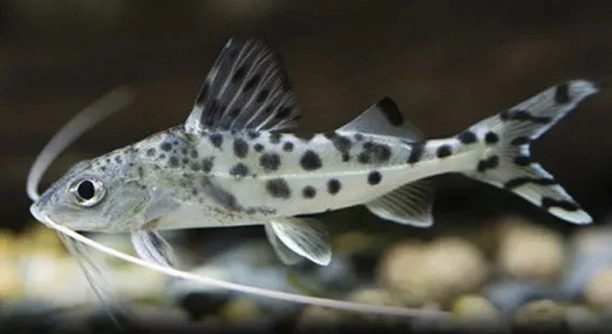
Do you ever find yourself wondering if it’s possible to breed pictus catfish successfully in a home aquarium? These energetic, spotted fish are popular in freshwater tanks but often leave owners unsure about their breeding needs.
Pictus catfish are extremely difficult to breed in home tanks due to their need for large spaces, specific water conditions, and the lack of clear breeding behaviors in captivity. Most successful breeding occurs in commercial or wild settings.
Despite the challenges, understanding their habits and tank preferences can help improve care and open up new possibilities for dedicated aquarists.
Understanding Pictus Catfish Behavior
Pictus catfish are fast swimmers, often seen darting around the tank. They are nocturnal and prefer hiding during the day, especially under rocks or driftwood. These fish thrive in groups, which helps reduce stress and makes them feel secure. Because of their active nature, they need a long tank with plenty of room to move. A tank size of at least 55 gallons is recommended for a small group. Water temperature should be kept between 75–80°F, with soft to moderately hard water and a slightly acidic to neutral pH. A strong current, clean water, and good oxygen levels are essential. They are not aggressive but should not be housed with very small fish, as they may see them as food. Understanding their natural behavior helps in keeping them healthy and stable in a home aquarium. This foundation is important if you are thinking about trying to breed them.
They do not form obvious pairs like some other species, which can make breeding more difficult to track and control.
Pictus catfish in home tanks often show signs of health and vitality, but their breeding instincts rarely follow. Their behaviors are more focused on feeding and swimming than spawning.
Why Breeding Is So Difficult
Most home aquariums cannot meet the unique conditions that pictus catfish need to breed. These fish are believed to spawn in the wild during certain seasons, possibly triggered by environmental changes that are hard to replicate.
In captivity, there are no well-documented cases of spontaneous breeding without hormone injections, which are used in commercial settings. Unlike many tropical fish, pictus catfish show no clear signs of courtship. Males and females also look very similar, making it hard to identify pairs. Even in large tanks, they seem uninterested in breeding, instead focusing on scavenging and swimming. They do not build nests or protect eggs, and it’s unclear how they behave during spawning. Water quality, temperature shifts, diet, and space may all play roles, but none guarantee results. These factors combined make it nearly impossible for casual aquarium owners to achieve successful breeding at home. Those who attempt it should be prepared for a process that offers more observation than actual results. Understanding this early on can help manage expectations and shift focus toward maintaining a healthy, active group.
Creating the Right Environment
Pictus catfish need plenty of space, steady water conditions, and a peaceful tank setup. Dim lighting, soft substrate, and hiding spots help reduce stress. A well-maintained tank can support their health, even if breeding does not occur.
Keep the water temperature between 75–80°F, with a pH around 6.5–7.5. Use a strong filter to keep the water clean, as they are sensitive to ammonia and nitrites. Provide plenty of cover using driftwood, plants, and smooth rocks. A tight-fitting lid is also important, since they are known jumpers. Use a long tank to support their active swimming behavior. Tankmates should be peaceful and not too small. Maintain a regular cleaning routine and check parameters weekly. Stability in water conditions is more helpful than constant changes. Though these steps may not trigger breeding, they are key to keeping the fish healthy and stress-free.
Try feeding them a protein-rich diet including bloodworms, brine shrimp, and sinking pellets. This supports their overall condition.
Feeding should be done in the evening, when they are most active. Avoid overfeeding to prevent water issues. Consistent, high-quality nutrition helps improve energy levels and supports natural behavior. Over time, this also reduces the risk of illness and stress in the tank.
Monitoring and Identifying Pairs
It is difficult to tell males from females just by looking. Some believe females may be slightly rounder, especially when full of eggs, but this is not a reliable method. Their size and color patterns are almost identical.
If you still want to try pairing them, keep a group of at least five or six fish together. This gives them a better chance to display any natural pairing behaviors, though these are rare in home tanks. Observe their activity over time. Look for signs such as two fish spending more time together or chasing each other in a way that doesn’t seem aggressive. Keep detailed notes, including changes in behavior, feeding habits, and water conditions. While no behaviors guarantee breeding, long-term tracking might help you notice small patterns. Be patient and avoid making major changes too quickly, as this can unsettle the fish.
Common Mistakes to Avoid
Changing water conditions too often can stress the fish. Sudden shifts in temperature, pH, or hardness may weaken their immune system and cause health problems instead of helping with breeding.
Keeping pictus catfish in a tank that is too small limits their activity and increases aggression. Lack of space also affects water quality.
Considering Professional Help
Some breeders use hormone injections under controlled conditions, but this is not recommended for casual aquarists. These procedures require training, proper tools, and knowledge of fish anatomy. Without experience, the risk of harming the fish is high. Most hobbyists are better off focusing on general care instead of forced breeding attempts.
Final Thoughts for Now
Maintaining a stable environment is more effective than chasing breeding results. Focus on clean water, balanced food, and tank comfort.
FAQ
Can pictus catfish breed in a home aquarium without hormones?
It’s extremely unlikely. In nearly all known cases, successful breeding has only occurred with the help of hormone injections. These are usually done in commercial breeding facilities by professionals. Home aquariums generally lack the space, environmental triggers, and technical expertise needed. While a few hobbyists have reported potential breeding signs, there is no confirmed case of pictus catfish breeding naturally in a home setup. Most often, the fish will live out their lives without any attempt to spawn, even when kept in ideal conditions.
How can I tell if my pictus catfish is male or female?
It’s difficult. Males and females look nearly identical. Some say females appear rounder, especially if carrying eggs, but this is not always clear. There are no visible color differences or markings that help with identification. Without specialized tools or dissection, most aquarists will never know the sex of their fish for sure. This makes pairing or setting up breeding conditions nearly impossible in a typical tank. That’s one reason breeding remains so rare in home environments.
How many pictus catfish should I keep together?
A small group of 4 to 6 is ideal. These fish are social and tend to be more active and less stressed when kept in groups. Keeping only one can make the fish nervous or overly skittish. Avoid overcrowding, though. A long tank of at least 55 gallons is needed for a group to swim comfortably. This also helps maintain good water quality and prevents aggression caused by limited space. Spacing and group balance are both important for their long-term health.
What tank setup is best for pictus catfish?
A long tank with dim lighting, hiding spaces, and clean water works best. Use soft sand or fine gravel to protect their sensitive barbels. Add driftwood, smooth rocks, and plants to give them cover. A tight-fitting lid is a must, as they can jump. Water flow should be moderate to strong, simulating river-like movement. Temperature should stay around 75–80°F, with a pH between 6.5–7.5. Frequent water changes and a strong filter help keep ammonia and nitrite levels at zero, which is important for their health.
What do pictus catfish eat, and how often should I feed them?
They eat a variety of protein-based foods. Offer sinking pellets, bloodworms, brine shrimp, and chopped earthworms. Feed once daily, preferably in the evening when they are more active. Avoid overfeeding, as this can cloud the water and lead to spikes in ammonia. Rotate their food to ensure they get balanced nutrients. You don’t need to feed them large amounts—just enough that they finish within a few minutes. A healthy diet supports natural behavior and reduces stress, which improves overall tank conditions.
Why is breeding pictus catfish so rare in captivity?
It’s mostly due to a mix of biological and environmental limitations. In the wild, they likely rely on seasonal cues like rainfall, water temperature shifts, and increased food availability to trigger spawning. These changes are difficult to reproduce at home. They also lack visible courtship behavior, and males and females are nearly indistinguishable. Without knowing what signals them to breed, aquarists are left guessing. Even with ideal care, most pictus catfish will never show signs of reproduction in a home tank.
Is it worth trying to breed them at home?
For most people, no. The process is complicated, the success rate is extremely low, and it requires equipment and knowledge that go beyond regular fishkeeping. Instead of focusing on breeding, it’s better to aim for keeping your pictus catfish healthy and active. Watching them thrive and behave naturally can be just as rewarding.
Final Thoughts
Breeding pictus catfish in a home tank is extremely difficult, and in most cases, it does not happen naturally. These fish are beautiful, active, and fun to watch, but their breeding habits remain a mystery to most home aquarists. Even with the right tank size, water conditions, and diet, they rarely show any signs of spawning. Many of the known breeding cases have only been successful in professional settings using hormone injections. Because of this, it’s important to manage expectations and understand that some fish are simply not likely to breed in a home environment.
That said, keeping pictus catfish healthy and comfortable is still very rewarding. They enjoy swimming in open areas, hiding during the day, and coming out more at night to explore. A clean, well-maintained tank with the right layout and tankmates can help them live long, active lives. Feeding them high-quality food, keeping up with water changes, and giving them space to swim will support their health even if breeding never occurs. Many aquarists choose to focus on care instead of breeding, which still provides a full and satisfying experience.
In the end, not all fish need to breed for them to be enjoyed. Pictus catfish bring movement and personality to any tank, and their presence can be a source of calm and interest. Instead of seeing their lack of breeding as a failure, it may help to view it as a reminder that some species are simply better suited for display and companionship. If you’re keeping them healthy, feeding them well, and maintaining their environment, you’re already doing the best you can. Their natural beauty and behavior are enough to enjoy without the added stress of trying to achieve something that rarely happens in a home tank.

Hello,
If you enjoy the content that we create, please consider saying a "Thank You!" by leaving a tip.
Every little bit helps us continue crafting quality advice that supports the health, happiness, and well-being of pets around the world, for pets of all shapes, sizes, and species.
We really appreciate the kindness and support that you show us!