
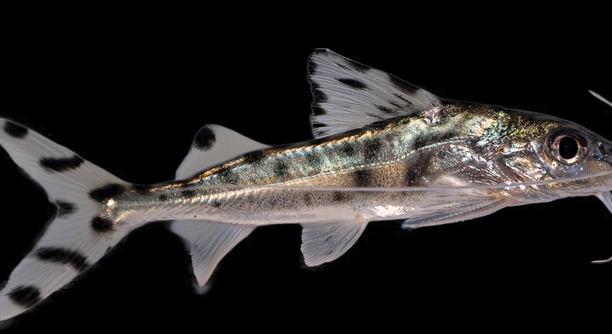
Have you ever watched your Pictus Catfish swim to the front of the tank and wondered if it would take food right from your hand?
Yes, you can hand feed Pictus Catfish. While they are naturally shy and fast-moving, with patience and consistency, it is possible to get them comfortable enough to accept food directly from your hand.
Learning how to approach this safely and gently can help build trust between you and your fish while keeping feeding time stress-free.
Why Pictus Catfish Can Be Hand Fed
Pictus Catfish are quick, active, and often shy, which makes hand feeding seem unlikely at first. However, they can begin to recognize their keeper over time, especially if they associate you with feeding. This species has a strong sense of smell, which helps them find food quickly. If you use a consistent feeding routine and offer food slowly, they may become more confident. Start by placing your hand in the water near their usual feeding spot. Over time, as they become used to your presence, they may approach your hand willingly. Use food they like, such as bloodworms or sinking pellets, and avoid fast movements. If other fish are in the tank, this process may take longer, so be patient and gentle. A quiet environment and regular feeding schedule can help build trust. Always keep your hands clean and avoid touching the fish directly.
It’s important to remember that each fish has a different comfort level.
Hand feeding can be rewarding but may take days or weeks to work. Stay consistent, use the same food type, and keep calm during feeding times. Observing their behavior will help you know when to move closer. Over time, they may accept food straight from your hand.
Best Tips to Encourage Hand Feeding
Start by introducing your hand without food to help the fish get used to your presence. Keep it still and at the usual feeding spot.
When your Pictus Catfish no longer dart away from your hand, begin placing food just nearby. Bloodworms or small sinking pellets work well. Let the scent guide them. Gradually reduce the distance between your hand and the food over several feeding sessions. Eventually, you can hold the food with clean fingers or feeding tweezers. Do not rush the process. Stay still and avoid sudden movements. Feeding at the same time each day also builds a sense of routine. Keep tank lighting dim and the room quiet, as sudden sounds or lights may startle them. If they don’t respond right away, try again later. Patience and consistency will make them more likely to respond. Keep sessions short to reduce stress, and always wash your hands before placing them in the tank.
What to Avoid When Hand Feeding
Avoid sudden movements, loud noises, and placing your hand too quickly into the tank. These actions can startle your Pictus Catfish and cause them to hide. Let them come to you at their own pace without forcing interaction.
Don’t try to touch or grab the fish during feeding. It can create fear and break any progress you’ve made. Avoid feeding from the surface, as Pictus Catfish are bottom dwellers and prefer to feed lower in the tank. Never overfeed—leftover food can pollute the water and stress the fish. Make sure your hands are clean and free of soap, lotion, or chemicals before placing them into the water. Use small portions and remove any uneaten food after a few minutes. Be careful if other aggressive or fast-eating fish are present, as they may interfere with the process and make the catfish more nervous.
Watch your fish’s behavior during and after feeding. If it starts hiding more than usual or shows signs of stress, take a break from hand feeding for a few days. Avoid feeding during tank maintenance or right after moving decorations, as this can cause confusion and fear. Stick to calm, quiet conditions to help them feel secure.
How to Tell If It’s Working
If your Pictus Catfish starts coming out more when you approach the tank, that’s a good sign. They may begin swimming closer during feeding times and linger near your hand longer than before.
You might notice that the catfish starts to hover near the area where you usually place your hand, even before feeding begins. This behavior means they are starting to connect your presence with food. When the fish begins to nibble or take food near your fingers, it shows they are becoming comfortable with hand feeding. You may not get full hand contact at first, and that’s okay. Progress happens in small steps. Over time, they will become more confident. Keep your movements slow, and continue with the same feeding schedule. If they begin to swim away less often or remain visible while you’re near, these are all signs that the hand feeding process is working.
How Often to Hand Feed
Start with hand feeding once every few days to avoid overwhelming the fish. Gradually increase the frequency as they become more comfortable with your hand and the process feels smoother. Consistency helps them form a feeding routine.
Keep feeding sessions short and stress-free. If they seem hesitant, take a break and try again later. Feeding too often can create stress or reduce their interest in the food. Monitor their behavior and adjust the schedule based on their comfort level and appetite.
Is Hand Feeding Necessary?
Hand feeding Pictus Catfish is not required for their health or diet. It’s an optional method that helps build trust between you and the fish. Some owners enjoy it as a bonding activity, while others prefer standard feeding methods. These fish will eat just fine when food is placed in the tank, especially if it sinks to the bottom. If your goal is interaction, hand feeding may help, but it’s not something you have to do. You can still keep a happy, healthy Pictus Catfish without ever hand feeding—it simply depends on what experience you’re hoping to create.
Final Thoughts on Feeding Style
Hand feeding can be rewarding, but it takes time and patience. If it doesn’t work out, standard feeding is still just as effective.
FAQ
Can hand feeding make my Pictus Catfish aggressive?
No, hand feeding does not typically make Pictus Catfish aggressive. These fish are naturally peaceful and prefer to avoid conflict. However, if you feed in a tank with more dominant or fast-eating fish, competition can cause stress or changes in behavior. Hand feeding in a calm, separate space helps avoid this.
How long does it usually take for them to accept food from my hand?
It can take anywhere from several days to a few weeks. The time depends on the fish’s personality, past experiences, and tank environment. Some Pictus Catfish are more curious and will approach your hand quickly, while others need more time to feel safe. Stay consistent and patient.
What is the best food to use when hand feeding?
Soft, smelly foods work best. Bloodworms, sinking pellets, or thawed brine shrimp are often good choices. These foods are easier for the fish to locate using their sense of smell and more likely to encourage them to approach. Avoid large or dry food that takes too long to eat.
Is hand feeding safe for the fish?
Yes, it’s safe as long as your hands are clean and you move slowly. Avoid using scented soaps or lotions beforehand. Never try to touch or grab the fish. Keep feeding time calm and brief to avoid overwhelming them. A peaceful setup helps keep the process stress-free.
Can I use feeding tools instead of my fingers?
Yes, feeding tweezers or tongs are a great option if you’re uncomfortable using your fingers. They allow for more control and help you keep your hand out of the water while still guiding the food close to the fish. Make sure the tools are aquarium-safe and cleaned regularly.
What if the fish hides every time I try to feed it by hand?
This is normal in the beginning. Pictus Catfish are naturally shy and often hide when something unfamiliar enters the tank. Keep trying, but take it slow. Let your hand rest still in the water for a minute or two without offering food, then gradually add food nearby over time.
Should I remove uneaten food after hand feeding?
Yes, always remove any leftover food after a few minutes. Uneaten food can decay and affect water quality. Use a small net or siphon to clean up bits on the substrate. Keeping the tank clean helps reduce stress and health issues for the fish.
Can I train multiple Pictus Catfish to hand feed at once?
It’s possible, but it can be tricky. These fish move fast and may compete for food. If more than one shows interest, feed each from opposite sides of your hand or use tweezers to guide food toward individual fish. Watch for signs of stress or competition and adjust as needed.
Will hand feeding affect their regular eating habits?
Not usually. Hand feeding may make them more responsive during feeding times, but they should still eat normally when food is dropped into the tank. If anything, they may become more active and come out more often when they sense food, especially if they link it with your presence.
Can young Pictus Catfish be hand fed?
Yes, but they may be even more timid than adults. Start slow and give them extra time to adapt. Smaller fish might also be more sensitive to water movement and hand placement. Use extra care to keep things still and avoid fast or loud interruptions during feeding.
Final Thoughts
Hand feeding a Pictus Catfish is not something every owner chooses to do, but it can be a unique way to build trust with your fish. These catfish are usually shy and fast, which makes the process slower compared to other fish species. Still, with patience, they can learn to approach your hand if they feel safe and calm. While not every fish will respond the same way, most will become more confident over time, especially when fed consistently and gently. Watching them respond to your presence and take food from your hand can feel rewarding, even if the progress is slow.
It’s important to remember that hand feeding is optional. Your Pictus Catfish does not need it to stay healthy or happy. They will still eat well with regular feeding methods, as long as the food reaches the bottom of the tank where they naturally like to feed. Some people enjoy the extra interaction hand feeding allows, while others prefer to observe from a distance. There’s no right or wrong way to care for your fish when it comes to feeding styles, as long as you keep their needs and comfort in mind. Keeping a clean tank, offering the right food, and respecting their space are all more important than the feeding method itself.
If you decide to give hand feeding a try, just move slowly, stay calm, and be patient. Don’t be discouraged if it doesn’t work right away. Your fish may need more time, or it may simply prefer to feed on its own. Use feeding tools if it makes the process easier for you, and always keep safety in mind—both for the fish and for yourself. Focus on creating a peaceful routine, and allow your Pictus Catfish to come forward when it’s ready. Whether you stick with hand feeding or not, your fish can still thrive as long as it feels secure in its environment. In the end, the goal is to make feeding time comfortable for both you and your fish.

Hello,
If you enjoy the content that we create, please consider saying a "Thank You!" by leaving a tip.
Every little bit helps us continue crafting quality advice that supports the health, happiness, and well-being of pets around the world, for pets of all shapes, sizes, and species.
We really appreciate the kindness and support that you show us!