
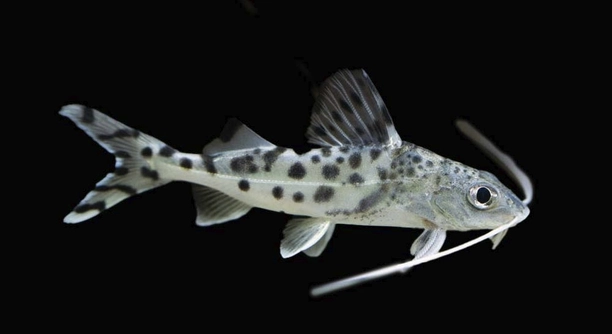
Do you keep Pictus Catfish as pets and wonder about their feeding habits? These lively fish often catch attention with their active behavior. Knowing more about how they eat can help you care for them better and understand their needs.
Pictus Catfish do have teeth, but they are small and not used for biting in a harmful way. Their teeth help them grasp and scrape food rather than chew. This feeding behavior suits their diet and environment in freshwater habitats.
Learning about their teeth and feeding habits can improve how you provide food and maintain their health in your aquarium. This article will explain what to expect from your Pictus Catfish’s eating behavior.
Do Pictus Catfish Have Teeth?
Pictus Catfish have small, sharp teeth that are quite different from what many people imagine. These teeth are located in their mouths and serve an important purpose for their feeding habits. Unlike larger fish that use teeth to tear food apart, Pictus Catfish use theirs to grip and scrape food from surfaces. Their teeth are perfect for their natural diet, which includes insects, small crustaceans, and plant matter. These fish are bottom dwellers and often search for food along the substrate, using their teeth to pick up tiny bits of food. Their teeth are not dangerous to humans or other fish, as they are small and mainly used for feeding rather than defense or aggression. Understanding the role of their teeth helps in providing the right type of food that suits their natural feeding style, which can improve their overall health in an aquarium setting.
The teeth of Pictus Catfish help them grasp food effectively, aiding in their typical scavenging feeding behavior on the aquarium floor.
Feeding your Pictus Catfish properly means offering a diet that matches their natural habits. Foods like sinking pellets, frozen or live insects, and vegetable matter work best. Their teeth assist in breaking down these foods, but they do not chew like mammals. This means that soft, small pieces are easier for them to handle. Overfeeding or offering the wrong type of food can cause health problems. Monitoring their eating habits and adjusting the diet accordingly will keep them active and healthy. When feeding, watch how they use their teeth to grab and manipulate food, which can be quite fascinating. This also gives you a chance to see if they are eating well or showing signs of stress or illness. Proper diet and care lead to a happy and thriving Pictus Catfish.
How Their Feeding Behavior Impacts Care
Pictus Catfish are active feeders who spend most of their time at the bottom of the tank looking for food. Their natural feeding behavior means they prefer foods that sink quickly. Floating flakes or pellets may not be suitable as these fish might miss out on meals. Feeding them the right type of food helps mimic their natural environment, supporting their health and activity. This behavior also means they play a role in cleaning the substrate, eating leftover bits and preventing waste buildup.
Understanding this helps with tank maintenance and feeding schedules. Feeding small amounts several times a day works better than one large feeding. It keeps the fish well-nourished without overloading the tank with excess food. Watching their feeding habits can give clues about their health. If a Pictus Catfish stops eating or has trouble grabbing food, it might indicate dental or health issues. Regular observation and care ensure they stay in good condition and thrive in your aquarium.
Teeth Structure and Function
Pictus Catfish have rows of small, pointed teeth that are primarily used to grasp food. These teeth are arranged in a way that allows them to scrape surfaces efficiently. Unlike large predator fish, their teeth are not meant for tearing flesh but for holding onto small prey.
The structure of their teeth suits their bottom-feeding lifestyle. Pictus Catfish search through substrate and detritus to find food, using their teeth to remove tiny organisms and organic matter. Their teeth also help them feed on soft-bodied insects and larvae, which make up a large part of their diet. These teeth continually grow to replace worn-down ones, ensuring their feeding ability remains effective over time.
This dental arrangement makes them skilled scavengers in their natural environment. The ability to grasp and scrape means they can access food sources many other fish cannot. In captivity, this translates to the need for food that sinks and can be picked up easily. Their teeth do not function like human teeth but are perfectly adapted to their specific feeding needs and behavior.
Feeding Tips for Healthy Teeth
Providing the right food is essential for maintaining healthy teeth in Pictus Catfish. A diet rich in protein from sources like bloodworms, brine shrimp, and sinking pellets supports their dental health. Harder foods, such as dried krill or shrimp shells, can help naturally wear down their teeth, preventing overgrowth.
Offering a balanced diet not only supports their teeth but also keeps their digestive system working well. Avoid feeding them only soft or overly processed foods, as this may cause their teeth to become less effective or lead to nutritional deficiencies. Regularly observe how they eat and adjust their diet to match their needs.
In addition to proper feeding, maintaining good water quality and tank cleanliness helps prevent infections that could affect their mouths or teeth. Removing uneaten food promptly reduces harmful bacteria. Regular tank maintenance and suitable food choices together ensure your Pictus Catfish stay healthy and active, with teeth that function properly throughout their life.
Common Misconceptions About Pictus Catfish Teeth
Many people think Pictus Catfish have large, dangerous teeth like some predator fish, but this is not true. Their teeth are small and used only for feeding on tiny prey and scraping surfaces gently.
Another misconception is that their teeth can harm other fish or humans. In reality, their teeth are too small and not designed for biting aggressively, making them safe tank mates for community aquariums.
Signs of Dental Problems
Pictus Catfish rarely suffer from serious dental issues, but signs like difficulty eating or visible damage to the mouth can indicate problems. Early detection is key to providing proper care and treatment.
How to Support Your Catfish’s Dental Health
Regularly feeding a varied diet with hard and soft foods helps maintain strong, healthy teeth. Avoid overfeeding soft pellets only, as this may affect tooth wear.
Foods to Avoid Feeding Pictus Catfish
Avoid large, hard foods that are difficult for Pictus Catfish to handle. These can cause stress or injury to their small teeth and mouth.
FAQ
Do Pictus Catfish use their teeth to bite humans?
Pictus Catfish have small teeth designed to grasp food, not to bite humans. They are generally gentle and unlikely to cause any injury. If handled roughly, they may nibble defensively, but their teeth are too small to do harm. It’s best to avoid stressing them during tank maintenance.
Can Pictus Catfish lose their teeth?
Yes, Pictus Catfish can lose teeth occasionally, especially if they scrape hard surfaces or encounter rough objects in the tank. However, their teeth continuously grow to replace lost or worn ones. If you notice abnormal tooth loss or trouble eating, it could signal health issues that need attention.
What types of food are best for their teeth?
Foods that sink and are easy to grasp work best. Sinking pellets, frozen bloodworms, and brine shrimp provide necessary nutrients and encourage natural feeding behavior. Occasional harder foods like dried shrimp shells can help wear down teeth naturally, preventing overgrowth.
Is it necessary to provide supplements for their teeth?
In a well-maintained aquarium with a balanced diet, supplements are usually not needed. Proper nutrition from varied foods supports healthy teeth and overall wellbeing. If tooth problems arise, a vet specializing in fish may suggest supplements or treatment.
How often should I feed Pictus Catfish?
Feeding small amounts two to three times a day is ideal. Frequent feeding matches their active nature and prevents leftover food from fouling the tank. Overfeeding can cause health problems and reduce water quality, so portion control is important.
Can Pictus Catfish eat plants?
Pictus Catfish mostly prefer animal-based food but sometimes nibble on soft plant matter. They are not true herbivores, so plants should not be their main diet. Including occasional vegetable treats like blanched zucchini or cucumber can provide fiber and variety.
What signs show that a Pictus Catfish has dental problems?
Signs include refusal to eat, difficulty grasping food, excessive scratching against tank surfaces, or visible damage to the mouth. These behaviors may indicate infections, injuries, or tooth issues. Prompt action helps prevent worsening problems.
Should I worry about their teeth affecting other tank mates?
No, Pictus Catfish teeth are small and not aggressive. They do not pose a threat to other fish. Their peaceful nature and feeding habits make them good community tank members.
Can their teeth get overgrown?
Overgrowth is rare if their diet is balanced with hard and soft foods. Hard foods help wear down teeth naturally. If teeth become overgrown, it can interfere with feeding, and you should seek advice from a fish health professional.
Do Pictus Catfish teeth require any special care?
Regular tank maintenance and a proper diet are the best ways to care for their teeth. Avoid rough decorations that could damage their mouths. Healthy water conditions reduce the risk of infections that might affect their teeth and gums.
How long do Pictus Catfish teeth last?
Their teeth continually regenerate throughout their life. This natural replacement ensures they maintain the ability to feed effectively even if teeth wear down or get lost. This process is common in many fish species.
Is it normal for Pictus Catfish to scrape their teeth on aquarium decorations?
Yes, this behavior helps keep their teeth clean and worn to the right length. It is natural and not usually a cause for concern unless it becomes excessive or causes injury.
Can poor diet affect their teeth?
Absolutely. A diet lacking in necessary nutrients or variety can weaken teeth and cause health problems. Feeding only soft or inappropriate foods may result in poor tooth condition and feeding difficulties.
Do Pictus Catfish have teeth similar to other catfish species?
Their teeth are similar in function but smaller compared to larger catfish species that may have stronger biting abilities. Pictus Catfish teeth focus on grasping and scraping rather than cutting or tearing.
What is the best way to observe their feeding behavior?
Feed small amounts of sinking food and watch how they use their mouths and teeth to pick up food. Observing closely can help identify if they are eating properly or if there are any signs of dental issues.
Can stress affect their teeth or feeding habits?
Stress can reduce appetite and cause abnormal behaviors that might impact tooth health indirectly. Keeping a calm environment and proper tank conditions supports healthy feeding and teeth.
Are there any signs of aging related to their teeth?
Older fish may show slower feeding or minor tooth wear, but continuous tooth growth generally compensates for this. Healthy diet and care minimize age-related dental problems.
Is it okay to feed live foods?
Yes, live foods like bloodworms and brine shrimp stimulate natural feeding behaviors and provide good nutrition. They also help maintain healthy teeth by encouraging active grasping and chewing motions.
Can tank water quality affect their teeth?
Poor water quality can lead to infections or health issues that may impact the mouth and teeth. Keeping water clean and parameters stable supports their overall health and prevents dental problems.
How to prevent teeth-related issues in Pictus Catfish?
Provide a balanced diet with varied textures, maintain clean water, avoid rough decorations, and monitor their behavior regularly. Early detection of problems and good care are key to preventing complications.
Pictus Catfish have small teeth that serve a clear purpose in their feeding habits. These teeth are not large or dangerous but help them grasp and scrape food effectively. Understanding how their teeth function helps in providing the right diet and care. Offering foods that sink and are easy to pick up aligns well with their natural behavior. This knowledge makes it easier to maintain their health and ensures they stay active in the aquarium.
Maintaining a balanced diet is key to supporting the health of their teeth and overall wellbeing. Feeding them a variety of foods, including sinking pellets, live or frozen insects, and occasional harder items, helps keep their teeth in good condition. Overfeeding or offering the wrong type of food can cause problems, so paying attention to portion sizes and food types is important. In addition to diet, keeping the tank clean and monitoring water quality also supports their dental health by reducing the risk of infections and mouth issues.
Regular observation of your Pictus Catfish’s feeding behavior can provide valuable information about their health. Changes in how they eat or if they start avoiding food may indicate dental or other health concerns. Early detection allows for timely care and prevents further issues. With the right feeding routine, tank maintenance, and attention, Pictus Catfish can thrive and remain a lively, interesting part of your aquarium for many years. Their teeth, though small, are a useful adaptation that helps them feed successfully in their environment.

Hello,
If you enjoy the content that we create, please consider saying a "Thank You!" by leaving a tip.
Every little bit helps us continue crafting quality advice that supports the health, happiness, and well-being of pets around the world, for pets of all shapes, sizes, and species.
We really appreciate the kindness and support that you show us!