
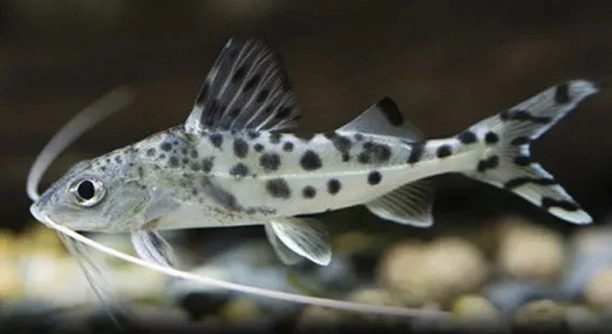
Pictus catfish are popular freshwater fish known for their active behavior and peaceful nature. Many owners wonder about the best way to care for them, especially regarding their tank environment. One common concern is whether these fish can live without a filter.
Pictus catfish can survive without a filter, but it is not ideal for their health or water quality. Filters help maintain a clean environment by removing waste and toxins, which supports the fish’s well-being and longevity in captivity.
Understanding the role of filtration can help ensure a healthier and more comfortable habitat for your pictus catfish. This article will provide clear insights into their needs and care requirements.
Why Filters Matter for Pictus Catfish
Filters play an important role in keeping aquarium water clean and safe for pictus catfish. These fish produce waste that breaks down into harmful substances like ammonia and nitrites, which can quickly build up in an unfiltered tank. Without a filter, these toxins remain in the water, stressing the fish and increasing the risk of illness. Filters also help oxygenate the water by promoting circulation, which is essential for active fish like pictus catfish. While some fishkeepers rely on regular water changes to manage waste, this can be time-consuming and less effective than a filter. Filters reduce the frequency of water changes and keep the tank stable. For pictus catfish to thrive, a filter creates an environment that mimics their natural habitat better than still, stagnant water. Overall, filtration is a practical solution to maintain water quality and support your fish’s health in the long run.
Filters reduce harmful toxins and maintain water clarity, which helps prevent stress and disease in pictus catfish.
Even with careful water changes, filters offer continuous cleaning and better water stability, which is important for these sensitive fish.
Can Pictus Catfish Live Without a Filter?
Pictus catfish can survive in an unfiltered tank, but only if water changes are frequent and thorough enough to prevent toxin buildup. This is difficult to maintain consistently, especially for beginners or busy fishkeepers. Without filtration, the water quality can deteriorate quickly, putting the fish at risk of stress and infections. Filters help create a stable environment by continuously removing waste and debris, which is critical because pictus catfish are active swimmers that produce a fair amount of waste. Additionally, filters encourage better oxygen circulation, which benefits their overall activity levels and health. While some aquarists may successfully keep pictus catfish without filters, it requires diligent tank maintenance and monitoring. For most, using a filter is a safer and more convenient option that reduces effort and supports the fish’s wellbeing. Consistent water quality is key to helping pictus catfish live longer, healthier lives.
Risks of Not Using a Filter
Without a filter, waste and uneaten food accumulate quickly. This leads to poor water quality and dangerous toxin levels that affect your pictus catfish’s health.
Poor water conditions can cause stress, making fish more vulnerable to diseases like fin rot or ich. The buildup of ammonia and nitrites harms their gills, causing breathing difficulties. Over time, these issues can reduce their lifespan significantly. Maintaining good water quality without a filter means frequent and large water changes, which can be disruptive and challenging to keep consistent. It’s easy to overlook these changes, especially for those new to fishkeeping, leading to unnoticed water problems. A filter removes harmful substances continuously, reducing these risks and supporting stable conditions that pictus catfish need to stay healthy and active.
Even if you keep up with water changes, a filter provides oxygen circulation and mechanical cleaning that water changes alone can’t fully replace. This helps avoid dangerous spikes in toxins and keeps the tank environment more balanced for your fish’s comfort.
Alternatives to Using a Filter
Some aquarists use plants or sponge filters as alternatives to traditional filters. Live plants absorb nitrates and provide oxygen, improving water quality naturally. Sponge filters gently move water while offering biological filtration, which is helpful in small tanks. These alternatives work best in well-maintained setups with low bioload, where fish waste is minimal. Regular water changes are still necessary to keep conditions safe. They don’t replace mechanical filtration completely but can reduce dependency on powered filters. Choosing the right setup depends on your tank size, number of fish, and your maintenance routine. In some cases, combining live plants with sponge filtration can create a balanced, natural aquarium environment suitable for pictus catfish.
Setting Up a Filter for Pictus Catfish
Choose a filter rated for your tank size to ensure proper water flow and filtration. Avoid strong currents, as pictus catfish prefer moderate water movement.
Regularly clean the filter media to maintain efficiency. Replace parts as needed but avoid cleaning everything at once to preserve beneficial bacteria crucial for biological filtration.
Recommended Filter Types
Canister filters, hang-on-back filters, and sponge filters are all suitable for pictus catfish tanks. Canister filters offer strong mechanical and biological filtration, ideal for larger tanks. Hang-on-back filters are easy to maintain and work well for medium-sized tanks. Sponge filters provide gentle filtration and aeration, perfect for smaller setups or breeding tanks.
Maintaining Water Quality Without a Filter
Frequent water changes are essential when no filter is used. Changing 25-50% of the water weekly helps control toxin levels and keeps the environment stable.
Final Care Tips
Monitor water parameters regularly to catch issues early. Consistent tank maintenance supports your pictus catfish’s health and happiness.
FAQ
Can pictus catfish survive without a filter?
Yes, pictus catfish can survive without a filter if the tank water is changed very frequently and thoroughly. However, this method demands a lot of attention and effort to prevent harmful toxins from building up. Without a filter, maintaining stable water conditions is difficult, which can stress the fish and lead to health problems. Using a filter is generally recommended to keep the environment safe and comfortable for pictus catfish.
How often should I change the water if I don’t have a filter?
If your tank lacks a filter, changing 25-50% of the water once or twice a week is essential. The exact frequency depends on the tank size and the number of fish. Frequent water changes help dilute toxins like ammonia and nitrites, which can rise quickly without filtration. Skipping or delaying water changes may cause water quality to decline rapidly, putting your pictus catfish at risk.
What type of filter is best for pictus catfish?
Hang-on-back (HOB) filters, canister filters, and sponge filters all work well for pictus catfish tanks. Canister filters provide strong mechanical and biological filtration for larger tanks. HOB filters are easy to maintain and fit medium-sized tanks. Sponge filters are gentle and provide biological filtration and aeration, making them a good choice for smaller tanks or breeding setups. Choosing the right filter depends on your tank size and maintenance preferences.
Can live plants replace a filter for pictus catfish?
Live plants can help improve water quality by absorbing nitrates and adding oxygen but they do not fully replace a filter. Plants reduce some toxins but do not remove ammonia or nitrites effectively. They work best combined with a filter or frequent water changes. For tanks without a filter, plants help, but regular maintenance is still necessary to keep the water safe.
Will a strong filter stress pictus catfish?
Pictus catfish prefer moderate water flow. A very strong filter current can stress them because they like to swim in calmer areas. If the filter creates strong currents, you can adjust the flow rate or add decorations to break the water flow. This helps create areas where the fish can rest and feel safe.
How often should I clean my filter?
Filter maintenance depends on the filter type and tank conditions. Generally, clean or rinse filter media every 2 to 4 weeks. Avoid cleaning all media at once to preserve beneficial bacteria that break down waste. Use tank water, not tap water, to rinse filter parts to avoid killing these helpful bacteria.
Is it okay to turn off the filter at night?
It is not recommended to turn off the filter at night. Filters provide oxygen circulation and continuous waste removal, which is important even when fish are resting. Turning off the filter can reduce oxygen levels and allow toxins to build up. For pictus catfish, keeping the filter running 24/7 helps maintain a healthy environment.
What signs show poor water quality in a tank without a filter?
Signs include cloudy water, strong fish odors, sluggish or gasping fish, and visible waste buildup. Fish may show stress by hiding more or losing appetite. If ammonia or nitrite levels rise, fish might have red or inflamed gills. Testing water parameters regularly helps catch these issues before they worsen.
Can I use a sponge filter as the only filter for pictus catfish?
Yes, sponge filters can serve as the only filtration method, especially in smaller tanks. They provide gentle mechanical and biological filtration without strong currents. Sponge filters also help oxygenate water through air bubbles. However, frequent water changes are still necessary to maintain water quality in the absence of stronger mechanical filtration.
How does a filter help with oxygen levels?
Filters move water, increasing surface agitation which promotes oxygen exchange. This helps maintain higher oxygen levels, which is important for pictus catfish that are active swimmers. Without good oxygen circulation, fish may struggle to breathe, leading to stress or health problems.
Can over-filtering be harmful?
Over-filtering is usually not harmful if the flow rate is suitable for the fish. The main concern is strong currents, which can stress pictus catfish. It’s better to have slightly more filtration than too little. Adjust the flow or use decorations to calm water movement if needed.
What maintenance tips help keep pictus catfish healthy?
Regular water testing, consistent water changes, and proper filter care are key. Avoid overfeeding to reduce waste buildup. Keep the tank clean but don’t over-clean to preserve beneficial bacteria. Monitoring your fish’s behavior and appearance helps catch problems early, ensuring a healthy environment.
Are there any filter-free setups suitable for pictus catfish?
Some natural or heavily planted tanks with low fish density may survive without a filter, relying on plants and frequent water changes. However, this requires careful attention and is less forgiving of mistakes. For most fishkeepers, using a filter is the safer and easier choice to maintain stable water quality.
Pictus catfish are active and sensitive fish that need a healthy environment to thrive. While they can technically survive without a filter, maintaining good water quality without one is a challenge. Filters play a key role in removing waste and harmful toxins from the water, keeping the tank clean and safe. Without a filter, regular and frequent water changes become necessary to prevent toxin buildup, but this requires constant attention and effort. For most fishkeepers, using a filter is the most practical way to ensure stable water conditions that support the well-being of pictus catfish.
Choosing the right filter for your tank is important. Filters that provide both mechanical and biological filtration work best, as they remove debris and help break down harmful substances. Hang-on-back filters and canister filters are effective choices for many tank sizes, while sponge filters offer gentle filtration and are great for smaller setups. It’s important to keep the water flowing at a moderate level because pictus catfish prefer calm to moderate currents. Regular filter maintenance, such as cleaning the media and checking parts, helps keep the system running well and maintains a healthy tank environment.
Even with a filter, regular tank care is essential. Testing water parameters, feeding your fish appropriately, and cleaning the tank when needed will help your pictus catfish live longer and healthier. If you decide to keep your tank unfiltered, be prepared to perform more frequent water changes and monitor water quality closely. Ultimately, maintaining a stable and clean environment through filtration or dedicated care is the best way to support the health and happiness of pictus catfish in your aquarium.

Hello,
If you enjoy the content that we create, please consider saying a "Thank You!" by leaving a tip.
Every little bit helps us continue crafting quality advice that supports the health, happiness, and well-being of pets around the world, for pets of all shapes, sizes, and species.
We really appreciate the kindness and support that you show us!