
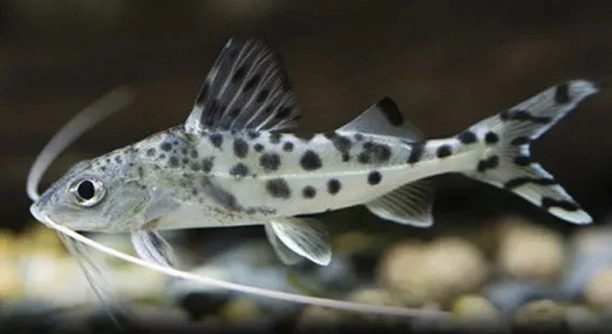
Have you ever noticed your pictus catfish acting more aggressive than usual, leaving you unsure about what might be causing the change?
Pictus catfish can become aggressive due to stress, overcrowding, poor water conditions, or territorial disputes. These behaviors are often a response to environmental factors or social imbalances within the tank, which can trigger defensive or dominant reactions.
Understanding the causes behind this behavior will help you create a safer, calmer tank environment for all your fish.
Reason 1: Overcrowded Tank Conditions
Overcrowding is one of the main causes of aggression in pictus catfish. These fish are active swimmers and need plenty of space to explore without constantly bumping into tank mates. When too many fish share a limited area, stress levels rise quickly. Pictus catfish may react to this by becoming territorial or defensive, especially if they feel threatened or cornered. They might chase or nip at other fish to establish control over a small area, which leads to constant conflict. Overcrowded tanks also reduce oxygen levels and increase waste buildup, making the environment even more stressful for the fish.
A tank that is too small creates competition for swimming space and hiding spots, triggering defensive behavior.
To reduce aggression, aim for at least 55 gallons for a small group of pictus catfish. Add hiding spaces using rocks or driftwood, and limit tank mates to species that are peaceful and fast enough to avoid conflict.
Reason 2: Poor Water Quality
Unstable water conditions can stress out pictus catfish and lead to increased aggression as they try to cope.
Ammonia spikes, fluctuating pH levels, and high nitrate levels are especially harmful to pictus catfish. They are sensitive to poor water conditions, and when their environment becomes uncomfortable, they may act out aggressively. Clean, stable water helps them stay calm and healthy. Regular water changes, proper filtration, and testing are key steps in maintaining a balanced aquarium. Make sure to test water parameters weekly to prevent unexpected shifts. Even slight imbalances can affect fish behavior. Poor water quality also weakens their immune systems, making them more prone to illness. A stressed or sick fish may lash out simply because it feels vulnerable. Avoid overfeeding, as leftover food breaks down and adds to the tank’s waste load. Taking control of water conditions will not only reduce aggression but also improve the overall health of all fish in the tank.
Reason 3: Territorial Behavior
Pictus catfish can become territorial, especially in tanks with limited hiding spots. If they feel the need to protect a specific area, they may lash out at nearby fish.
Inadequate decor and too few hiding areas often cause pictus catfish to claim a certain spot as their own. When other fish swim too close, they may become aggressive to defend that space. Adding plenty of caves, rocks, and driftwood helps spread out the fish and reduce the need for one to dominate a specific area. Even peaceful species may start fighting when the layout doesn’t provide enough shelter. Spacing out decorations also creates visual barriers, which helps reduce confrontations. A well-decorated tank allows your pictus catfish to feel safe without becoming overly defensive. Give them enough room to retreat and settle on their own terms, and the chances of aggression go down significantly.
Territorial behavior can increase during feeding or when new fish are added to the tank. Sudden changes to the tank’s population can trigger insecurity or competition in pictus catfish. Always monitor their behavior when introducing new fish and provide extra cover to reduce tension. Territorial issues often settle with enough space, structure, and stable routines.
Reason 4: Incompatible Tank Mates
Tank mate compatibility plays a big role in how peaceful your pictus catfish will be. Slow or long-finned fish often trigger aggressive chasing.
Pictus catfish prefer tank mates that are active, peaceful, and able to hold their own in a shared space. Fish like angelfish, guppies, or bettas are usually poor choices due to their delicate fins and slower movement. These traits can unintentionally provoke the pictus catfish, causing them to chase or nip. Ideal tank mates include barbs, larger tetras, or other semi-aggressive bottom dwellers that can tolerate a lively tank environment. Choosing the right mix keeps things balanced and helps avoid stress-driven behavior. When mismatched, your catfish may constantly harass certain fish or act out due to feeling unsettled.
Introducing the wrong tank mates can also make your pictus catfish more withdrawn or irritable. If they feel intimidated or annoyed by incompatible companions, they may react defensively or become aggressive at feeding times. Watch for signs of tension, like chasing or hiding, and adjust the tank setup as needed. A peaceful, well-matched community creates a healthier, calmer space for everyone.
Reason 5: Feeding Competition
Pictus catfish can become aggressive when food is limited or feeding times are inconsistent. They are fast eaters and may chase or nip others to secure their share.
Feeding your fish at the same time each day and spreading food around the tank helps reduce this behavior.
Reason 6: Lack of Hiding Places
Without proper hiding spots, pictus catfish feel exposed and stressed. This stress can lead to unpredictable, aggressive actions toward tank mates.
Use rocks, driftwood, and plants to create separate spaces where they can retreat and rest without being disturbed.
Reason 7: Changes in Environment
Sudden changes like rearranging decorations, changing tank mates, or shifting water parameters can stress pictus catfish. This often results in aggression. Give them time to adjust, and make changes slowly to keep their behavior stable.
What to Do When Aggression Starts
Start by checking tank conditions—water quality, temperature, and space all impact fish behavior. If all is stable, observe their interactions closely. Separate overly aggressive individuals if needed and rearrange decor to disrupt territorial patterns. Consistent care and a balanced setup help calm things down.
FAQ
Why is my pictus catfish suddenly aggressive at night?
Pictus catfish are nocturnal, meaning they’re more active after dark. If your fish appears more aggressive at night, it’s likely because they’re more alert and territorial during these hours. Limited lighting and quiet surroundings allow them to explore freely, and they may chase other fish that wander into their path. To reduce this, make sure the tank is large enough with enough hiding spots to let every fish have its own space. You can also try evening feedings to distract them and lower aggression levels while they’re most active.
Can a pictus catfish live alone to avoid aggression?
Pictus catfish are generally social and prefer living in small groups, but in some cases, keeping one alone may reduce fighting. However, a single fish can become bored or stressed without interaction, which may lead to other behavioral issues. If you do keep one alone, provide a stimulating environment with plants, rocks, and places to explore. That way, they can stay engaged and active without feeling isolated. Most of the time, aggression is a space or tank mate issue—not a group problem. Keeping a small group in a properly sized tank is often the better solution.
Will adding more fish help reduce aggression?
Adding more fish can sometimes help by spreading out aggression, but it can also backfire if the tank is too small. Pictus catfish need plenty of space, and cramming in more fish often makes things worse. If you want to try this approach, first make sure your tank is large enough—at least 55 gallons for a group. Add fast-moving, peaceful species that don’t compete for the same space or food. Monitor everyone closely for the first few days to ensure the new additions don’t become targets.
How can I tell if a pictus catfish is stressed?
Stressed pictus catfish may hide more often, swim erratically, show duller colors, or breathe rapidly. Aggression can also be a sign of stress. Other indicators include refusal to eat or constant chasing of tank mates. Always test your water parameters first, as poor water quality is the most common source of stress. Make sure the tank setup feels secure and that they have areas to hide and rest undisturbed. Even slight environmental changes can throw them off, so a stable setup helps them stay calm.
What should I feed my pictus catfish to keep them calm?
A varied diet keeps pictus catfish healthier and more balanced in behavior. Feed them high-protein sinking pellets, frozen bloodworms, brine shrimp, and occasional live foods. Feeding them enough and at regular times reduces food-based aggression. Scatter food around the tank to keep one fish from dominating the feeding zone. Avoid overfeeding though—leftover food can harm water quality and make aggression worse. Feeding them right helps maintain energy and reduces the tension that can lead to conflict.
Is it safe to keep pictus catfish with shrimp or snails?
It’s usually not a good idea to keep pictus catfish with shrimp or small snails. These fish are scavengers and will likely view smaller tank mates as food. Even larger snails may be picked on, especially if the catfish are underfed or bored. If you want to keep invertebrates in the same tank, choose fast, larger species and keep an eye on their safety. Generally, though, it’s better to avoid mixing them unless you’re prepared to lose a few shrimp along the way.
Can tank decorations help reduce aggression?
Yes, decorations make a big difference. Rocks, caves, plants, and driftwood all give fish places to hide and feel secure. These objects break up the line of sight, so the fish aren’t constantly in each other’s view. That helps lower stress and reduce aggressive chasing. Spread the decorations evenly to create separate zones throughout the tank. This lets each fish find its own space. A bare tank makes aggression more likely because there’s nowhere to escape or rest.
How long does aggressive behavior last?
It depends on the cause. If it’s from stress due to new tank mates or changes in the environment, aggression may settle in a few days. If it’s territorial, it can last until the tank is rearranged or more hiding spots are added. Food-related aggression can ease up with consistent feeding. If you’ve addressed all the major causes and the behavior continues, it may be best to separate the aggressive fish. Watch their behavior closely and make adjustments gradually. Most issues calm down with the right care.
Final Thoughts
Pictus catfish are energetic and often peaceful when kept in the right environment, but they can show signs of aggression when certain needs are not met. Most of the time, the root of the problem is linked to stress, limited space, or poor water quality. These fish rely heavily on a well-balanced tank with plenty of room to swim, explore, and hide. When conditions are off, their behavior changes quickly. Aggression is their way of responding to discomfort, insecurity, or competition. Understanding these triggers allows you to spot issues early and take steps before things get worse.
Creating a peaceful setup for pictus catfish means paying attention to their daily habits and tank conditions. Always provide hiding spaces using plants, rocks, or driftwood. These areas offer privacy and reduce the need for territorial behavior. Be thoughtful with tank mates—choose species that are active, fast, and non-aggressive. Feeding routines also matter. Spread out the food and feed them at consistent times to avoid competition. Keeping their water clean, the temperature stable, and the tank spacious goes a long way. All these small details come together to reduce stress and keep aggression under control.
If your pictus catfish becomes aggressive, take time to watch their behavior and look for patterns. Are they only aggressive at feeding time? Do they chase specific fish or act up at night? These signs can help you pinpoint the reason. From there, small adjustments can often solve the problem. Sometimes it’s as simple as adding a few more hiding places or upgrading to a bigger tank. Other times, you may need to rearrange the layout or separate certain fish. These changes take a bit of effort, but they make a big difference in how your fish behave and feel. Keeping a calm and balanced tank helps your pictus catfish stay active, healthy, and less likely to lash out.

Hello,
If you enjoy the content that we create, please consider saying a "Thank You!" by leaving a tip.
Every little bit helps us continue crafting quality advice that supports the health, happiness, and well-being of pets around the world, for pets of all shapes, sizes, and species.
We really appreciate the kindness and support that you show us!