
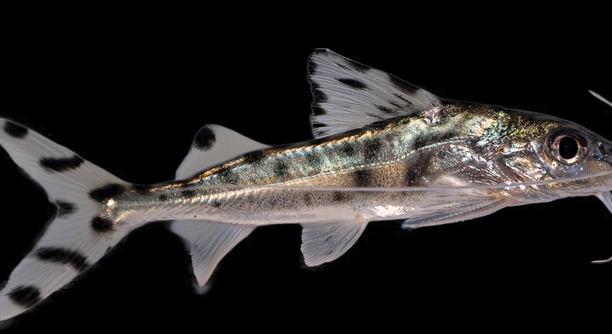
Do you ever find yourself adjusting the lights in your fish tank, wondering what makes your Pictus catfish feel most comfortable?
Pictus catfish prefer dim lighting conditions, as they are naturally nocturnal fish. Bright lights can cause stress, while darker environments support their natural behavior and encourage more active, healthy movement during nighttime hours.
Understanding their light preference can help you create a more peaceful tank setup and improve your catfish’s overall wellbeing.
Understanding Pictus Catfish Behavior in Light and Dark
Pictus catfish are naturally shy, bottom-dwelling fish that thrive in low-light environments. In the wild, they are most active during the night, hiding during the day to avoid predators. When placed in bright aquariums, they often become less active and hide more often. This doesn’t mean they dislike light completely, but they do best with dimmed lighting or setups that allow them to choose between shaded and lit areas. Adding caves, plants, and driftwood can help them feel more secure. Mimicking their natural environment supports better health and reduces stress. Providing a consistent day and night cycle is also important. This helps them establish a regular activity rhythm, even in captivity.
Bright lighting can overwhelm them, often leading to skittish behavior. You might notice them darting quickly or staying hidden most of the time.
To make your tank feel safe for your Pictus catfish, aim for soft lighting and plenty of hiding spots. Avoid harsh LED lights unless they can be dimmed. Choosing tank décor that creates shaded areas helps them feel in control of their environment. This setup not only encourages natural behavior but also makes them more visible during their active hours without adding stress to their routine.
Creating a Comfortable Tank Environment
Use floating plants or adjustable lighting to help soften your tank’s brightness. These simple changes can make a big difference in how relaxed your catfish feels.
A well-balanced tank setup can support the natural behavior of your Pictus catfish. Start by selecting lighting that can be dimmed or softened with floating plants like duckweed or frogbit. These plants filter the light entering the water and add cover that mimics the wild rivers where Pictus catfish come from. Include hiding spots using caves, driftwood, or decorations they can swim through. This not only offers shelter but also keeps them mentally stimulated. Keep in mind that tankmates also matter—peaceful, non-aggressive fish make better neighbors. Aggressive tankmates can cause stress, especially in brightly lit tanks. Finally, maintain a stable light cycle. A timer can help regulate day and night periods so your fish stay in a healthy rhythm. These adjustments allow your catfish to thrive while also giving you a more active and visible pet.
Light Levels That Work Best
Low to moderate lighting works well for Pictus catfish. It helps them stay relaxed and encourages them to come out more often. Too much brightness can keep them hiding during the day and make them feel unsafe.
Using dimmable LED lights or placing floating plants on the water surface can help reduce glare and create a more comfortable space. Choose bulbs with soft, warm tones rather than harsh white light. If your lighting is not adjustable, limit the hours it’s on to give the fish a chance to rest. Try to mimic natural light cycles with about 10–12 hours of light and 12–14 hours of darkness. You might also notice your catfish being more playful during dawn and dusk hours. These soft light transitions often trigger their natural activity patterns, giving you more chances to observe them without causing stress.
Creating shaded areas with plants, driftwood, or tank decorations gives your Pictus catfish more control over their surroundings. They’ll often swim more freely when they know they can quickly retreat into hiding spots. This setup doesn’t just make the tank look nicer—it helps them feel secure. When they feel safe, they tend to explore more, especially during the darker parts of the day.
Nighttime Activity and Behavior
Pictus catfish are most active after the lights go out. During nighttime, they explore more, swim across the tank, and search for food. This is when you’ll see their natural energy and playful nature.
They use their sensitive barbels to navigate and locate food in the dark. These whisker-like features help them feel around the tank, even when visibility is low. It’s a good idea to feed them just before turning off the lights or during the evening hours. This matches their feeding habits in the wild. If you use a red night light, you can observe their movements without disturbing them, since red light is less noticeable to fish. Keep the tank quiet and calm at night to support their activity. Avoid loud sounds or sudden changes that might startle them. Watching them move around after dark is often the best way to enjoy their natural behavior.
Tips for Managing Light in a Shared Tank
If your Pictus catfish shares a tank with fish that need more light, try creating a balance. Use floating plants or tall decorations to give them darker hiding spots while still allowing light for the others.
Add cave-like spaces or place décor in areas that block light directly. This way, your Pictus catfish can choose where they feel comfortable without needing a separate tank.
What to Avoid When Lighting the Tank
Avoid using strong white or blue lighting for long hours, as it can stress your Pictus catfish and keep them from exploring. Skip lighting setups that cover the tank too evenly with brightness—these leave no safe areas for your catfish to retreat. Also, avoid flashing or changing lights, as they may trigger anxiety. Sudden changes in light levels, like flipping the lights on or off quickly, can startle them and cause erratic swimming. Always dim the lights slowly or use a timer to create smoother transitions. These small changes help keep your fish calm and active when they want to be.
Watching for Signs of Light Stress
If your Pictus catfish hides all day or rarely comes out to swim, it may be a sign the tank is too bright.
FAQ
Can Pictus catfish live in a brightly lit tank?
Pictus catfish can technically survive in a brightly lit tank, but they likely won’t thrive. Constant exposure to bright lights can cause stress, make them hide more often, and reduce their activity. It’s better to provide dim lighting or give them shaded spots to retreat. Using plants, caves, or decorations to block light can help them feel safe even if the overall tank lighting is stronger for other fish. Keeping some darker areas ensures they can relax when needed without constant exposure to intense light.
Do Pictus catfish need light at all?
They do not need strong lighting to stay healthy. Like all fish, Pictus catfish benefit from a day-night cycle, which helps regulate their behavior and internal rhythm. This means a soft, consistent light during the day and darkness at night is ideal. Complete darkness all the time isn’t necessary either. What matters most is giving them a balance that matches their natural lifestyle. A timer can help keep things regular without much effort.
Will my Pictus catfish be more active in the dark?
Yes, they are naturally nocturnal, so they tend to swim around more after the lights are turned off. You might not see them much during the day, especially if the lighting is strong. Once the tank dims or goes dark, they start exploring, searching for food, and moving more freely. If you want to watch them during these hours, a red LED night light works well since it doesn’t disturb them.
Can I leave a night light on for them?
A dim night light is okay, especially if it’s red or very low in brightness. Bright white or blue night lights should be avoided, as they can affect your catfish’s rest and stress levels. If you want to observe your fish at night, choose a light that’s soft and doesn’t cover the whole tank. Keeping most of the tank in darkness with just a small, dim area lit is a safe compromise.
What type of tank mates work well with Pictus catfish and their lighting needs?
Peaceful fish that can tolerate low to moderate lighting are best. Good examples include tetras, danios, and some types of barbs. Avoid aggressive species or ones that need constant bright lighting, as they may clash with the needs of your Pictus catfish. Choose tank mates that don’t mind hiding or resting during the day and are active during different hours. This helps keep the tank peaceful and allows each fish to find their own comfortable space.
How can I tell if the lighting is bothering my Pictus catfish?
If your catfish hides all day, refuses to come out even when the tank is quiet, or darts around nervously when the lights are turned on, it may be a sign the lighting is too intense. Look for signs like skittish swimming, lack of appetite, or staying in one dark corner all the time. Try dimming the lights or adding more cover and observe whether their behavior improves. Small changes can have a big effect on their comfort.
Is it okay to adjust lighting gradually during the day?
Yes, gradual changes are much better than sudden shifts. Turning lights on and off too quickly can startle your fish and make them feel unsafe. Use a timer with a slow ramp-up or ramp-down feature if possible. If you don’t have one, try switching on a room light before the tank light, then reverse the process at night. This gives your Pictus catfish time to adjust without sudden shocks.
What kind of light bulbs are best for a Pictus catfish tank?
Soft, warm-toned LED lights are a great choice. They give enough light for viewing without being harsh. Avoid bright white or actinic (blue) lights, which can be too intense. Choose adjustable fixtures if possible, so you can dim the lights or direct them away from your fish’s favorite hiding areas. Floating plants can also reduce glare and help soften the lighting naturally.
How long should the tank lights stay on each day?
Aim for 10 to 12 hours of light followed by 12 to 14 hours of darkness. This helps your Pictus catfish keep a natural rhythm. Too much light can lead to stress, while too little can confuse their activity pattern. Using a timer makes this easy to manage without needing to remember it every day.
Do Pictus catfish behave differently depending on the lighting schedule?
Yes, their behavior is closely tied to the tank’s light cycle. If the lighting stays on too long or is inconsistent, they may become more reclusive, eat less, or act stressed. A stable, predictable schedule encourages better activity and feeding habits. They feel more secure when the environment is consistent. Keeping lights off at night and avoiding irregular on/off patterns helps maintain their overall health and behavior.
Final Thoughts
Pictus catfish are peaceful, active fish that do best when their environment feels safe and natural. Light plays a big part in helping them feel comfortable. Since they are nocturnal, they are most active when the lights are dim or off. This means they need low lighting or plenty of shaded areas during the day. A tank that is too bright can make them feel stressed or cause them to hide all the time. When they feel relaxed, they explore more, eat better, and show more of their natural behavior. You don’t need to create total darkness, but soft, calm lighting is ideal.
If your tank also houses fish that prefer more light, you don’t have to choose between them. Adding floating plants, driftwood, and hiding spots can help balance the needs of all your fish. This way, your Pictus catfish can find shelter when they want to, and the other fish can still enjoy well-lit spaces. It’s all about creating options within the same tank. Watching how your fish behave during different times of day can give you helpful clues. If your Pictus catfish never comes out or seems nervous, try lowering the brightness or changing how the tank is set up. Even small changes can make a big difference.
Keeping a consistent light schedule is also important. Using a timer can help make things easier by creating a steady pattern of light and dark. This helps your catfish stay in a routine that supports their natural behavior. A happy Pictus catfish is usually active after the lights go off, especially if the room is quiet and calm. You might not see them much during the day, but that’s normal. Giving them a tank that respects their needs will help them live longer, stay healthier, and be more enjoyable to watch. Whether you’re a new fish keeper or have had aquariums for years, understanding the role of lighting will help you care for your Pictus catfish in the best way possible.

Hello,
If you enjoy the content that we create, please consider saying a "Thank You!" by leaving a tip.
Every little bit helps us continue crafting quality advice that supports the health, happiness, and well-being of pets around the world, for pets of all shapes, sizes, and species.
We really appreciate the kindness and support that you show us!