
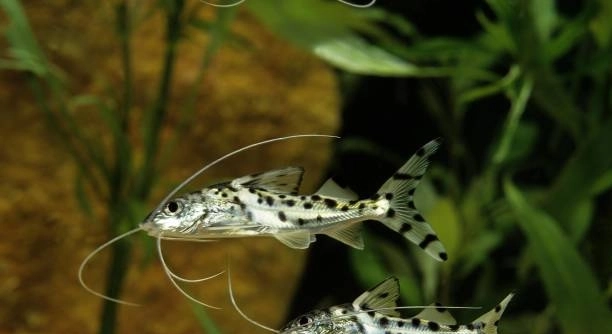
Is your Pictus catfish losing its vibrant color and looking dull? Many fish owners notice this change and wonder what might be causing it. Understanding the reasons behind color loss can help maintain your fish’s health and appearance.
Pictus catfish lose their color due to several factors including poor water quality, inadequate diet, stress, illness, or improper lighting. Each cause affects the fish’s pigmentation and overall well-being, requiring careful attention to the aquarium environment.
Knowing these causes can improve your fish care routine and prevent further fading. This article explains the main reasons your Pictus catfish may be losing its color.
Poor Water Quality and Its Effects
Maintaining clean water is crucial for the health of your Pictus catfish. Dirty or unbalanced water causes stress, which directly affects their color. High levels of ammonia, nitrites, or nitrates can irritate the fish’s skin and gills, leading to fading colors. Frequent water changes and proper filtration help keep the water safe and stable. pH and temperature levels must also be monitored because fluctuations can cause discomfort and weaken the fish’s immune system. Over time, poor water conditions can result in illness, which further dulls the fish’s appearance. Keeping the tank clean promotes not only bright colors but also a longer, healthier life for your catfish. Regular testing and maintenance are essential to avoid these problems and ensure a thriving aquatic environment.
Water quality directly impacts color vibrancy by affecting fish health and stress levels.
Consistent water testing and proper tank upkeep will prevent the common causes of color loss. Making small adjustments, like increasing water changes or upgrading filtration, can restore your catfish’s natural colors. Observing your fish regularly helps detect early signs of water issues or stress before the colors fade completely.
Nutritional Deficiencies
A balanced diet supports the bright colors of your Pictus catfish. Feeding low-quality or inappropriate food can result in color loss. Pictus catfish need a variety of proteins, vitamins, and minerals to maintain their pigmentation. Poor nutrition weakens their immune system, making them more vulnerable to disease. Commercial fish foods often lack necessary nutrients, so supplementing with live or frozen foods like bloodworms or brine shrimp can boost health. Overfeeding or feeding only one type of food may also cause problems. It’s important to provide a varied diet to keep the fish strong and colorful. Monitoring feeding habits and adjusting portions helps prevent digestive issues that could affect overall well-being and color retention. A healthy diet is one of the easiest ways to protect your fish’s vibrant appearance and support its long-term vitality.
Stress and Environmental Changes
Stress causes noticeable fading in Pictus catfish colors. Sudden changes in water temperature or tank setup can trigger this stress response.
Stress weakens the immune system and disrupts normal pigmentation. Loud noises, aggressive tank mates, or overcrowding increase stress levels. A calm, stable environment helps the fish maintain its natural colors. Avoid rapid changes in water conditions and keep the tank peaceful. Regular monitoring reduces stress and supports healthy coloration.
Providing hiding spots and a consistent routine also lowers stress. This allows your Pictus catfish to feel secure and display its true colors.
Illness and Disease
Illness often causes dull or patchy coloration in Pictus catfish. Parasites, fungal infections, or bacterial diseases may affect their skin and scales.
Signs include lethargy, loss of appetite, and unusual marks. Early detection is key to treatment. Quarantine sick fish and consult a vet or aquatic specialist for proper medication. Untreated illnesses worsen color loss and may be fatal.
Maintaining good tank hygiene and avoiding overstocking reduce disease risk. A healthy fish is more likely to retain bright, vibrant colors. Watch for behavioral changes as early warnings to protect your fish’s health and appearance.
Improper Lighting
Lighting affects how your Pictus catfish displays its colors. Too much or too little light can cause fading or dullness.
A balanced light schedule, around 8 to 10 hours daily, helps maintain natural pigmentation. Avoid harsh, direct lighting that stresses the fish.
Genetics and Aging
Some color changes are natural as your Pictus catfish ages. Genetic factors can also influence how bright or dull its colors appear over time.
While you can manage most causes of color loss, genetics and aging are beyond control. Accepting this helps focus on providing the best care possible.
Tank Mates
Certain tank mates can stress your Pictus catfish or compete for food, affecting its color.
Choosing compatible, peaceful fish ensures a calm environment that supports vibrant coloration and reduces stress-related fading.
FAQ
Why is my Pictus catfish turning pale suddenly?
Sudden paleness often signals stress or poor water conditions. Check your tank’s parameters for ammonia, nitrites, nitrates, temperature, and pH levels. Any rapid change can shock the fish and cause its colors to fade. Also, consider recent changes like new tank mates or cleaning routines that might have unsettled the fish.
How often should I change the water to keep my Pictus catfish colorful?
Regular water changes are essential. A good rule is to replace about 20-30% of the water weekly. This removes toxins and maintains a stable environment. Clean water reduces stress and helps keep your fish’s color vibrant. Use a water conditioner to remove chlorine and chloramines from tap water before adding it.
Can poor diet cause my Pictus catfish to lose color?
Yes, diet plays a big role in coloration. Feeding only one type of food or low-quality flakes may lack essential nutrients. Including live or frozen foods like bloodworms or brine shrimp provides proteins and vitamins that enhance pigmentation. Variety in diet supports overall health and color retention.
Is it normal for Pictus catfish to lose color as they get older?
Some fading can be normal with age. Like many fish, their colors may become less bright as they mature. Genetics also influence how colors change over time. While you cannot stop natural aging, good care and nutrition slow the process and keep colors as vivid as possible.
Could tank lighting be harming my fish’s color?
Yes, lighting affects color visibility and health. Too much light can stress the fish and bleach their colors, while too little light can make colors appear dull. Use moderate lighting and set a daily schedule of 8-10 hours. This balance helps maintain natural pigmentation and supports normal behavior.
How do I know if my Pictus catfish is sick?
Look for signs like lethargy, loss of appetite, unusual spots, or frayed fins. Illness often causes color loss, so faded or patchy skin may indicate a health problem. Early treatment improves chances of recovery. Quarantine sick fish to prevent spreading disease in your tank.
Can stress from tank mates cause color loss?
Yes, aggressive or overly active tank mates stress Pictus catfish. Stress reduces immune function and causes fading colors. Choose peaceful, compatible fish and avoid overcrowding. Providing hiding spots and a calm environment lowers stress and helps your catfish keep its bright colors.
Does water temperature affect my fish’s color?
Temperature changes outside the ideal range (74-79°F) stress Pictus catfish and may dull their colors. Consistent, appropriate temperature supports metabolism and immune health. Use a reliable heater and thermometer to maintain a steady temperature and avoid sudden shifts.
What should I do if my Pictus catfish keeps losing color despite good care?
If color loss continues, review water tests, diet, tank mates, and lighting closely. Sometimes hidden stressors or early illness cause ongoing fading. Consulting an aquatic specialist can help identify less obvious problems. Maintaining patience and observation is important to restore your fish’s health and color.
Can supplements improve my fish’s color?
Certain supplements can help enhance pigmentation, especially those with carotenoids or vitamins A and E. However, they should not replace a balanced diet and proper tank care. Use supplements sparingly and follow product instructions to avoid harming your fish. Proper nutrition and environment remain the foundation of healthy coloration.
Taking care of a Pictus catfish’s color involves paying attention to several important factors. Water quality is one of the most critical elements. Clean, well-maintained water creates a healthy environment where your fish can thrive and show its natural colors. Regular water testing and changes help remove harmful substances and keep conditions stable. Proper filtration and monitoring of pH and temperature levels also play a key role in supporting your fish’s health and color. Without this foundation, even the best diet or lighting may not prevent color loss.
Nutrition is another major factor that influences your fish’s appearance. A varied and balanced diet rich in proteins, vitamins, and minerals helps maintain vibrant pigmentation. Feeding live or frozen foods like bloodworms or brine shrimp supplements the basic diet and strengthens the immune system. Avoiding overfeeding and choosing high-quality food keeps your fish healthy and colorful. While some natural fading happens with age or genetics, providing good nutrition can slow this process and ensure your catfish looks its best for longer.
Stress and illness often cause fading in Pictus catfish. Stress can result from poor water conditions, aggressive tank mates, or sudden environmental changes. Creating a calm, stable aquarium with compatible fish reduces stress and helps maintain color. If illness is suspected, prompt treatment and quarantine of the affected fish are essential. Lighting should also be balanced to avoid causing stress or dulling colors. Overall, focusing on water quality, diet, stress reduction, and disease prevention will help your Pictus catfish keep its natural beauty and live a healthy life.

Hello,
If you enjoy the content that we create, please consider saying a "Thank You!" by leaving a tip.
Every little bit helps us continue crafting quality advice that supports the health, happiness, and well-being of pets around the world, for pets of all shapes, sizes, and species.
We really appreciate the kindness and support that you show us!