
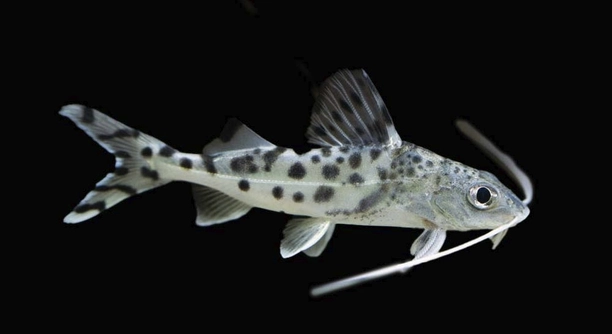
Your Pictus catfish swimming in circles can be a puzzling sight for many aquarium owners. This behavior often signals that something in the fish’s environment or health might not be quite right. Understanding these reasons can help you care better for your pet.
Pictus catfish swimming in circles is commonly caused by issues such as poor water quality, stress, injury, or neurological problems. Identifying the exact cause requires observing their environment and behavior closely to ensure timely and appropriate care.
Recognizing why your fish acts this way can improve its well-being and help maintain a healthy tank environment. This article will explain the most common causes and solutions for circular swimming.
Common Causes of Circular Swimming in Pictus Catfish
Pictus catfish may swim in circles due to several factors affecting their comfort or health. Poor water quality is a frequent cause, as high levels of ammonia or nitrites stress the fish and disrupt their normal behavior. Inadequate oxygen levels can also lead to disorientation, causing the fish to swim erratically. Stress from overcrowding or aggressive tank mates may provoke nervousness and unusual movement patterns. Injuries or infections can affect the fish’s balance, making it difficult to swim straight. Neurological issues, sometimes linked to parasites or toxins, can impair coordination. It is important to regularly test the water and monitor your fish’s behavior to identify problems early. Proper tank maintenance, including regular water changes and balanced stocking, can help prevent these issues.
Water parameters and tank conditions are critical to your fish’s well-being. Keeping these stable is essential to stop circular swimming.
Observing your fish for additional signs like clamped fins, loss of appetite, or pale coloration can provide clues about underlying health issues. Immediate action based on these observations improves recovery chances. Ensuring a calm tank environment with compatible companions reduces stress. Feeding a balanced diet supports immune function, while quarantine of new fish prevents disease introduction. If symptoms persist, consulting a veterinarian experienced in fish care is recommended to determine if medical treatment is necessary.
How to Improve Your Pictus Catfish’s Swimming Behavior
Adjusting your aquarium setup is key to restoring normal swimming in Pictus catfish.
Start by testing water parameters such as ammonia, nitrite, nitrate, pH, and oxygen levels. Correct any imbalances by performing partial water changes and increasing aeration if needed. Ensure the tank is not overcrowded and provide plenty of hiding spaces to reduce stress. Avoid placing aggressive or overly active fish in the same tank. Feeding your catfish high-quality food supports its health and energy levels. Monitor the fish daily to track improvements or signs of illness. If behavioral changes continue despite proper care, a professional diagnosis may be required. With attentive care and a stable environment, most Pictus catfish recover from swimming issues and return to normal behavior.
Diagnosing Health Issues in Your Pictus Catfish
Physical signs often accompany abnormal swimming. Look for torn fins, unusual spots, or swelling. These can indicate infections or injuries affecting movement.
Internal infections or parasites may cause neurological symptoms like swimming in circles. If you notice white spots, redness, or excessive scratching, treat the tank with appropriate medications. Quarantine sick fish to prevent spreading disease. Early diagnosis and treatment are crucial for recovery.
Regular observation and water testing help catch health problems early. Keep your tank clean and maintain stable water conditions. Avoid sudden changes in temperature or water chemistry, which stress fish and worsen symptoms. If uncertain, consult a fish veterinarian to identify less obvious illnesses.
Environmental Factors Affecting Swimming Behavior
Water quality is the most common environmental factor influencing swimming patterns. Poor filtration or infrequent water changes can lead to toxic buildup. Ensure your filter is functioning well and clean it regularly. Test water parameters weekly to maintain a healthy habitat. Changes in lighting or tank layout might also confuse your fish. Sudden rearrangements can cause stress, prompting erratic swimming. Introducing new tank mates requires caution; aggressive or fast-moving fish may intimidate Pictus catfish, resulting in nervous or circular swimming. Gradual acclimation and providing hiding spots help ease transitions. A stable and well-maintained environment supports natural behavior and overall fish health.
Stress and Its Impact on Swimming
Stress is a major factor causing unusual swimming behaviors in Pictus catfish. Loud noises, sudden movements, or overcrowded tanks can trigger stress responses. Minimizing disturbances helps your fish stay calm.
Providing plenty of hiding places reduces anxiety and encourages natural behavior. Plants, caves, and decorations create safe spots where your fish can retreat when feeling threatened.
Nutrition and Swimming Performance
A poor diet can weaken your Pictus catfish, affecting its coordination and energy. Feeding a balanced diet with high-quality pellets, live or frozen foods ensures good health and stamina. Avoid overfeeding to prevent water quality issues.
Monitoring Behavior Over Time
Consistent observation is key to noticing changes early. Keep a log of your fish’s behavior, appetite, and environment conditions to track improvements or decline. This helps you make informed care decisions.
When to Seek Professional Help
If swimming in circles persists despite improvements, professional advice is necessary. A fish health expert can diagnose underlying issues not visible to the eye and recommend treatment options.
FAQ
Why is my Pictus catfish swimming in circles all the time?
Swimming in circles can be caused by several factors, including poor water quality, stress, injury, or neurological problems. Your fish might be reacting to an uncomfortable environment or health issue that affects its balance and coordination. Checking water parameters and observing for physical signs can help determine the cause.
How can I improve my Pictus catfish’s water quality?
Regular water changes and using a reliable filtration system are essential. Test for ammonia, nitrite, nitrate, and pH weekly to keep water stable. Avoid overcrowding the tank, and clean the substrate to remove uneaten food and waste. Proper maintenance creates a healthy environment that reduces stress and illness.
Can tank mates affect my catfish’s swimming behavior?
Yes, aggressive or overly active tank mates may intimidate your Pictus catfish. This stress can cause erratic or circular swimming. Choose peaceful companions and provide hiding places to help your catfish feel safe and reduce anxiety.
What signs show my catfish might be sick?
Look for torn fins, spots, swelling, loss of appetite, or clamped fins. White spots or redness may indicate infections or parasites. Behavioral changes like lethargy or constant swimming in circles are warning signs. Early detection helps with prompt treatment.
Is stress the main reason for swimming in circles?
Stress is a common cause but not the only one. It can result from loud noises, sudden movements, poor water conditions, or inappropriate tank mates. Reducing stressors and creating a calm tank environment improves your fish’s behavior.
How should I feed my Pictus catfish?
Feed high-quality pellets designed for bottom feeders, supplemented with live or frozen foods like bloodworms or brine shrimp. Avoid overfeeding as leftover food can pollute the water. A balanced diet supports health and energy for proper swimming.
When should I consider medication or veterinary care?
If your catfish continues swimming in circles despite water quality improvements and stress reduction, medical issues could be involved. Consult a fish veterinarian if symptoms persist or worsen. Professional diagnosis ensures proper treatment.
Can injuries cause this swimming behavior?
Yes, physical injuries from rough tank conditions or fights can impair swimming ability. Check your fish carefully for visible wounds or swelling. Treat injuries promptly to prevent infection and support recovery.
Does lighting or tank layout affect swimming patterns?
Sudden changes in lighting or rearranging decorations can stress fish and disrupt their swimming. Keeping a consistent environment helps your Pictus catfish stay comfortable and maintain natural movement.
How long does it take for my catfish to recover from swimming issues?
Recovery time depends on the cause. With improved water quality and reduced stress, fish may start swimming normally within days to weeks. Serious health problems require longer treatment periods. Patience and attentive care are important throughout the process.
Final Thoughts
Swimming in circles is often a sign that your Pictus catfish needs attention. It usually points to problems with water quality, stress, or health issues. Taking care of the tank environment and watching your fish closely can help you catch these problems early. Regular water tests, proper filtration, and careful feeding make a big difference in keeping your catfish comfortable and healthy. Simple actions like cleaning the tank and avoiding overcrowding also reduce the chance of problems.
Stress plays a big role in your catfish’s behavior. Loud noises, aggressive tank mates, or sudden changes in the tank can make your fish feel unsafe. Providing hiding places and a calm environment helps reduce stress. Stable water conditions and a peaceful community in the tank encourage normal swimming patterns. When your catfish feels secure, it will swim more naturally and be less likely to circle or show other signs of distress.
If you see persistent swimming in circles despite good care, health issues may be the cause. Injuries, infections, or parasites can affect your fish’s balance and movement. Look for physical signs like torn fins, spots, or unusual behavior. In these cases, professional help from a veterinarian experienced with fish might be necessary. Early diagnosis and treatment improve the chances of recovery. Overall, keeping a close eye on your Pictus catfish and its environment is the best way to support its health and well-being.

Hello,
If you enjoy the content that we create, please consider saying a "Thank You!" by leaving a tip.
Every little bit helps us continue crafting quality advice that supports the health, happiness, and well-being of pets around the world, for pets of all shapes, sizes, and species.
We really appreciate the kindness and support that you show us!