
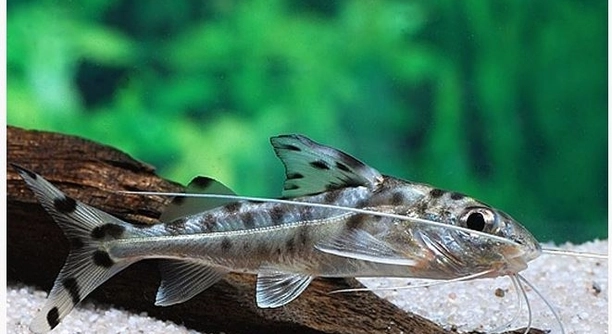
Is your pictus catfish spending most of its time hiding instead of swimming around like it used to? You’re not alone. Many aquarium owners face this issue and want to understand the cause behind the behavior.
Pictus catfish hide due to stress, poor tank conditions, lack of hiding spaces, incompatible tank mates, or illness. These factors affect their comfort and safety, causing them to retreat more often than usual. Fixing these issues restores normal behavior.
Knowing what’s making your catfish hide can help you fix the problem and create a more peaceful tank environment for your fish.
Your Pictus Catfish Is Stressed
Stress is one of the most common reasons your pictus catfish hides. These fish are sensitive to sudden changes in their surroundings. Loud noises, frequent tank maintenance, or being moved from one tank to another can unsettle them. Even aggressive tank mates or bright lighting can lead to anxiety. When stressed, a pictus catfish may retreat into hiding spots to feel secure. They need a stable, calm environment to feel comfortable. Avoid tapping the tank or moving decorations around too often. Consistency matters, especially when they’re adjusting to a new home. Watching your fish hide all the time can be frustrating, but it often signals that something isn’t right with their environment.
Reduce stress by creating a routine. Keep the tank area quiet and handle water changes gently.
Stabilizing their environment helps your pictus catfish feel safe. Over time, they’ll begin to come out more often and behave normally again.
There Aren’t Enough Hiding Places
In a tank with limited cover, your pictus catfish might hide constantly because it doesn’t feel safe out in the open.
Pictus catfish naturally hide in driftwood, caves, or thick plants. In the wild, they live in riverbeds filled with places to shelter. If your tank lacks hiding spots, your catfish may hide more out of fear than comfort. Adding decorations like tunnels, clay pots, or rock caves can fix this quickly. Avoid sharp objects, as these fish have delicate skin. Dense plants, both real or artificial, also help them feel more secure. When they know they have places to retreat, they gain the confidence to explore more often. Ironically, giving them more hiding spaces encourages them to be more visible. The goal is to mimic their natural habitat as closely as possible. Spread these shelters throughout the tank so they feel safe wherever they swim. You’ll notice them venturing out more once they feel protected.
Your Pictus Catfish Feels Threatened
Aggressive tank mates often cause pictus catfish to hide more than usual. These catfish are peaceful and do not do well with bullying or fin-nipping fish.
If your pictus catfish shares the tank with cichlids, barbs, or other dominant species, it may constantly retreat to avoid confrontation. Pictus catfish prefer to live with other peaceful, similarly sized fish. Avoid pairing them with fish that compete for the same territory or food. Even subtle harassment can make your catfish feel unsafe. Pay attention to tank dynamics during feeding times or when rearranging the tank. If you see chasing, fin-nipping, or tension, it’s best to rehome the aggressive fish or place a divider in the tank. A peaceful environment encourages natural behavior and gives your pictus catfish space to swim freely without fear.
Providing a calm setting with compatible tank mates lets your catfish explore more often. It lowers stress and prevents long-term behavioral issues. Watch for changes.
The Tank Conditions Are Poor
Ammonia spikes, low oxygen, or unstable temperatures make your pictus catfish uncomfortable and drive them into hiding. These fish are sensitive to water quality, especially in smaller tanks with limited filtration.
Check water parameters weekly to make sure everything is within range. Ammonia and nitrite should always be at zero, and nitrates kept under 40 ppm. Keep the water temperature between 75–81°F and use a reliable heater. A strong filter helps maintain water clarity and oxygen levels. If the water looks cloudy or smells odd, do a partial water change immediately. Hiding can often be one of the first signs that your catfish isn’t feeling well. Use a test kit, not just visual checks, to confirm water quality. Keep a regular maintenance schedule that includes checking filter flow, vacuuming debris, and changing water in small, consistent amounts. These simple steps make a big difference in your fish’s comfort and overall health.
Your Pictus Catfish Is Nocturnal
Pictus catfish are naturally more active at night. During the day, it’s normal for them to hide and rest in darker areas of the tank.
If your lights are too bright, they may feel even more inclined to stay hidden. Use dim lighting or floating plants to soften the brightness.
Your Catfish Might Be Sick
Illness can cause your pictus catfish to hide more than usual. Look for signs like clamped fins, unusual swimming, pale color, or loss of appetite. Parasites, bacterial infections, or poor diet can affect their behavior. If something feels off, isolate the fish and consult a vet or experienced aquarist. Keep the water clean and monitor them closely. A sick pictus catfish won’t move much and may avoid others, even in a peaceful tank. Early treatment helps them recover faster. Feeding a varied, protein-rich diet also supports their immune system and encourages better energy and activity levels.
The Tank Is Too Small
A tank that’s too small makes your pictus catfish feel cramped and anxious. They need at least a 55-gallon tank to swim comfortably.
FAQ
Why does my pictus catfish hide all the time?
Pictus catfish hide mainly because they feel stressed, threatened, or uncomfortable. Stress can come from poor water quality, loud noises, or sudden changes in their environment. Aggressive tank mates or lack of hiding spots can also cause them to retreat. Their natural behavior includes hiding during daylight hours, but constant hiding usually signals a problem that needs addressing.
How can I reduce stress for my pictus catfish?
Create a calm environment by keeping the tank in a quiet area and avoiding sudden changes. Maintain stable water parameters and use gentle lighting. Add plenty of hiding places like plants, caves, or driftwood. Keep tank mates peaceful and compatible. Regular, gentle maintenance instead of abrupt changes will help your catfish feel secure and reduce hiding.
What tank mates are best for pictus catfish?
Pictus catfish do well with other peaceful fish that share similar water requirements. Good companions include tetras, rasboras, and gouramis. Avoid aggressive or territorial fish such as cichlids or large barbs that can stress or harm your catfish. Selecting calm species promotes harmony and lets your catfish swim openly.
Can poor water quality cause hiding?
Yes, poor water quality is a common cause of hiding behavior. High ammonia or nitrite levels, unstable temperatures, and low oxygen make fish uncomfortable and sick. Regular water tests, proper filtration, and scheduled water changes keep conditions healthy. Monitoring water parameters is essential to prevent stress-related hiding.
How often should I clean my pictus catfish tank?
Perform partial water changes of 20-30% weekly to maintain water quality. Clean the filter monthly or as needed, but avoid full cleanings that disrupt beneficial bacteria. Remove uneaten food and debris regularly. Keeping the tank clean prevents buildup of harmful substances that cause stress and hiding.
Is it normal for pictus catfish to be more active at night?
Yes, pictus catfish are naturally nocturnal and tend to be more active during low light or nighttime. They often hide during the day to rest. Dim lighting or a natural day-night cycle helps them follow this pattern. Don’t be alarmed if they hide frequently during daylight hours.
What signs show my pictus catfish might be sick?
Signs include hiding more than usual, clamped fins, pale or dull coloring, erratic swimming, or loss of appetite. Visible spots, swelling, or ulcers also indicate illness. Early detection and treatment improve recovery. Quarantine sick fish and seek advice from a vet or experienced aquarist.
How large should my pictus catfish tank be?
A minimum tank size of 55 gallons is recommended because pictus catfish are active swimmers. Larger tanks provide enough space to explore and reduce stress. Overcrowded or small tanks limit movement and cause hiding. Proper space supports their health and natural behavior.
Can lighting affect pictus catfish behavior?
Bright lighting often causes pictus catfish to hide. They prefer moderate or dim light since their eyes are sensitive. Use floating plants or adjustable lighting to reduce brightness. Simulating natural conditions helps them feel secure and encourages more daytime activity.
What should I feed my pictus catfish to keep it healthy?
Feed a varied diet of sinking pellets, live or frozen foods like bloodworms, brine shrimp, and insect larvae. Protein-rich food supports their energy and immune system. Avoid overfeeding to prevent water quality issues. Proper nutrition helps them stay active and less prone to hiding.
Final Thoughts
Understanding why your pictus catfish hides is important for maintaining a healthy aquarium. These fish are naturally shy and prefer to stay in covered or dim areas, especially during the day. However, constant hiding can be a sign of stress, poor water quality, or other problems. By paying attention to their behavior and tank environment, you can identify what may be causing them to hide and take steps to improve their comfort. This will help your catfish feel safer and more secure, encouraging it to swim freely and display its natural behavior.
Creating a stable environment with proper water conditions, suitable tank mates, and plenty of hiding spots is essential. Regular water tests and maintenance keep the tank clean and reduce harmful substances that stress your fish. Providing an appropriate tank size gives your pictus catfish enough room to move comfortably. Adding decorations like caves, plants, and driftwood allows them to retreat when they want to, which reduces anxiety. When fish feel safe and unthreatened, they spend less time hiding and more time exploring their surroundings.
Remember that some amount of hiding is natural for pictus catfish, especially since they are more active at night. Adjusting lighting to create softer, dimmer conditions can make them more comfortable during the day. If you notice unusual hiding combined with other signs like loss of appetite or odd swimming, it could indicate illness, so timely action is necessary. Overall, a well-maintained tank and a calm environment are key to keeping your pictus catfish healthy and happy. Paying attention to their needs will help you enjoy a vibrant and lively aquarium.

Hello,
If you enjoy the content that we create, please consider saying a "Thank You!" by leaving a tip.
Every little bit helps us continue crafting quality advice that supports the health, happiness, and well-being of pets around the world, for pets of all shapes, sizes, and species.
We really appreciate the kindness and support that you show us!