
Have you ever added new fish to your tank only to wonder whether they’ll get along with the ones already living there?
Pictus catfish can sometimes live with cichlids, but compatibility depends on the cichlid species, tank size, and environmental setup. Tested pairings show that peaceful or semi-aggressive cichlids are more likely to coexist successfully with pictus catfish.
Understanding which species work best together can make your aquarium safer and reduce stress for all your fish.
Understanding Pictus Catfish Behavior
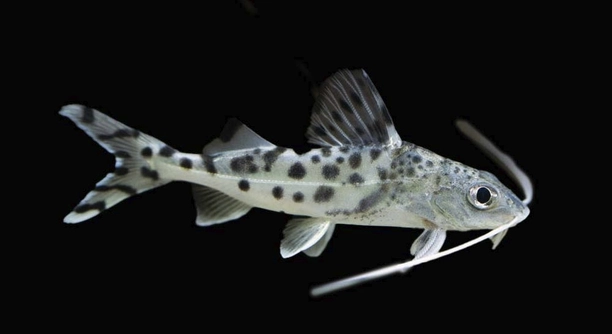
Pictus catfish are fast, active swimmers that prefer the lower part of the tank. They are generally peaceful but can get territorial when space is limited. These catfish thrive in groups and need plenty of hiding spots to feel secure. They are nocturnal, so you’ll notice them becoming more active in the evening. While they won’t usually start fights, their fast movements and tendency to compete for food can stress out slower, more passive fish. Compatibility becomes harder to manage when they are kept alone or in tanks that are too small. A 55-gallon tank is often the minimum recommended size for keeping them with other species. Water quality should be stable, with a slightly acidic to neutral pH. Sudden changes in temperature or water conditions can make them more irritable. For the most part, they are hardy and adaptable, but their active nature must be considered before adding tankmates.
These behaviors make them less suitable for tanks with slow or delicate species.
If you want to keep them with other fish, it helps to choose species that are similar in size and energy level. Pictus catfish are less likely to thrive in tanks where other fish are either too aggressive or too timid.
Tested Cichlid Pairings
Some cichlids can peacefully share a tank with pictus catfish, especially those that aren’t overly aggressive. Avoid pairing them with species known for strong territorial behavior like Jack Dempseys or Oscars.
Severums are one of the better options for cohabiting with pictus catfish. They are generally mild-tempered and don’t mind sharing their space, especially in larger tanks. Blue Acaras can also work well when housed with pictus catfish. They’re semi-aggressive but less confrontational when provided enough space and hiding spots. Angelfish are another possible match, though their long fins may draw unwanted attention from more curious pictus catfish. Firemouth cichlids are a mixed case—they sometimes coexist peacefully, but individual temperament plays a big role. Always monitor behavior during the first few weeks of introduction. Pairing should only be attempted in tanks of 75 gallons or larger. Adding multiple hiding places, rocks, and plants helps reduce tension and provides escape options. Feeding should be spread out and frequent to avoid competition. Compatibility isn’t guaranteed, but with proper planning, a peaceful mix is achievable.
Housing Requirements for Mixed Tanks
Tank size matters when keeping pictus catfish with cichlids. A cramped tank increases stress and aggression in both species. A minimum of 75 gallons is recommended, with plenty of open swimming space and separate hiding areas to prevent territory disputes.
Use rocks, driftwood, and live plants to divide the tank into zones. Pictus catfish prefer staying near the bottom, so caves and tunnels in those areas help them feel secure. Cichlids tend to claim vertical or middle spaces, especially if structure is available. This separation supports a peaceful setup. Strong filtration is also important—both species are messy eaters and produce a lot of waste. Water parameters should remain consistent, with temperatures between 75–80°F. Ammonia and nitrite levels should be kept at zero. Regular maintenance reduces the risk of stress-related illness. Feeding them separately during mealtime lowers food aggression and makes cohabiting easier.
Lighting should be moderate to low, especially for the pictus catfish, which are more comfortable in dim conditions. Choose substrate that suits both species; soft sand works well for bottom dwellers like pictus catfish and doesn’t injure their barbels. Make sure to leave some open areas for free swimming. Consistent upkeep makes the mixed tank more stable and peaceful for both species.
Signs of Compatibility and Stress
Signs of compatibility include calm swimming, healthy appetite, and minimal chasing. If both species occupy different tank areas without frequent conflict, they’re likely adjusting well. A peaceful feeding routine is also a good sign that the pairing is working.
Stress signs include hiding for long periods, torn fins, or aggressive chasing. If either species refuses food or shows rapid gill movement, that could mean poor water quality or unresolved tension. Watch for signs daily during the first few weeks after introducing new tankmates. Aggressive behavior can escalate quickly, so be prepared to separate them if needed. Adding new fish gradually helps prevent stress, especially when done with species already proven to live well with pictus catfish. Use a quarantine tank for newcomers before adding them to the main setup. Observation and patience are essential. Each tank has its own dynamic, and even tested pairings may not always work if the conditions aren’t right.
Feeding Considerations
Pictus catfish are quick eaters and tend to grab sinking food right away. This can lead to competition with bottom-dwelling cichlids. Feed them at the same time but in different tank areas to reduce stress.
Use a mix of pellets, frozen foods, and occasional live snacks. Balanced diets help avoid aggression.
Monitoring Tank Dynamics
Observe the tank daily, especially during feeding and active hours. Look for peaceful movement, proper feeding, and no visible injuries. If one species starts hiding more often or becomes aggressive, it may be a sign the setup needs adjustment.
Final Thoughts on Compatibility
Not every tank will have the same results. Even proven pairings can fail without proper care. Focus on tank size, layout, feeding, and daily observation to create a safe space for both species.
FAQ
Can pictus catfish live with African cichlids?
It is not recommended to keep pictus catfish with African cichlids. Most African cichlids are more aggressive and territorial, especially those from Lake Malawi and Lake Tanganyika. These fish often chase or nip at tankmates and may stress out the pictus catfish. African cichlids also prefer harder, more alkaline water, while pictus catfish do better in soft to neutral water. These differences in temperament and water needs make the combination risky. Even if aggression doesn’t occur right away, long-term compatibility is unlikely. It’s best to avoid this pairing and consider South American cichlids instead.
What are the best cichlids to pair with pictus catfish?
Some of the most reliable cichlids to house with pictus catfish include Severums, Blue Acaras, and Keyhole cichlids. These species are generally peaceful or semi-aggressive and adapt well to shared environments when there is enough space. Angelfish can also work, but their long fins may attract unwanted attention from active pictus catfish. Firemouth cichlids are hit or miss—some individuals are calm, while others may become territorial. When planning a mixed tank, choose cichlids with calm temperaments and avoid those known for aggressive behavior. Make sure the tank is large enough, and provide plenty of structure to prevent stress.
Do pictus catfish need to be kept in groups?
Pictus catfish are schooling fish and prefer to live in small groups of three or more. When kept alone, they may become shy, stressed, or less active. In groups, they display more natural behavior, such as active swimming and social interaction. However, housing multiple pictus catfish requires a larger tank—ideally over 100 gallons—because they are fast swimmers and need room to move freely. Keeping them in a group also reduces the chances of one fish becoming a target if tank aggression starts. If space is limited, a single pictus can still live peacefully but may be less active.
How can I reduce aggression in a mixed tank?
Start by choosing the right tankmates—avoid highly territorial or aggressive cichlids. Provide a large tank with many hiding spots and natural barriers, such as rocks and plants, to help divide territories. Feed your fish regularly and in separate zones to avoid food-related conflict. Monitor tank behavior daily, especially during feeding. If one fish becomes dominant or aggressive, rearrange the tank to disrupt territory. Make sure water conditions stay stable and clean. Stress caused by poor water quality can also lead to aggression. When needed, use a tank divider or separate fish that can’t coexist peacefully.
What should I do if a fight breaks out?
If a fight happens, first turn off the tank lights to calm the fish. Try to separate the aggressive fish using a net or divider. If injuries occur, move the harmed fish to a hospital tank for recovery. Check the tank for overcrowding, poor water conditions, or limited hiding spots, as these can cause fights. Sometimes, removing and reintroducing fish helps reset the tank’s social balance. If aggression continues, you may need to rehome one of the species. Always act quickly—ongoing aggression can lead to stress, injury, or even death.
Can pictus catfish live with juvenile cichlids?
Juvenile cichlids are usually more peaceful than adults, so starting with young fish can sometimes make introductions easier. However, keep in mind that cichlids become more territorial and aggressive as they grow. What starts as a peaceful tank can turn hostile as fish mature. Make sure the tank is large enough to support adult sizes of all species. Watch closely as the cichlids grow, and be prepared to separate them if behavior changes. If you plan on long-term cohabitation, research the adult temperament of each species and don’t rely on juvenile behavior alone to predict compatibility.
Final Thoughts
Keeping pictus catfish with cichlids can work, but it depends on choosing the right species and setting up the tank properly. Not all cichlids are a good match for the active and peaceful nature of pictus catfish. South American cichlids, like Severums and Blue Acaras, are usually the safest options. They tend to be less aggressive and more tolerant of sharing space when the tank is large and well-structured. African cichlids, on the other hand, are more territorial and prefer different water conditions, making them harder to house with pictus catfish. Always research the temperament and care needs of each fish before trying to keep them together in the same tank.
A large tank is one of the most important factors for success. It should be at least 75 gallons, and even larger if you plan to keep more than one pictus catfish or several cichlids. Adding hiding places and dividing the tank into sections with rocks and driftwood can help reduce conflict. Pictus catfish like staying near the bottom, while most cichlids stay in the middle or upper parts of the tank. This natural separation can make it easier for both fish to live peacefully. Feeding should be done carefully, with food spread out in different areas so no fish feels the need to compete. Regular observation is also necessary. Watch for signs of stress or aggression and be ready to separate the fish if needed.
Even with careful planning, not every setup will work. Each fish has its own personality, and some may not get along no matter how ideal the tank seems. That’s why it helps to have a backup plan in case things don’t go well. A second tank or a divider can prevent serious injuries if aggression starts. Patience is important when trying new fish combinations. Changes should be made slowly, and new tankmates should be monitored closely in the beginning. When done right, a mixed tank with pictus catfish and cichlids can be both peaceful and interesting to watch. It takes a little more effort than keeping a single species tank, but the result can be rewarding if compatibility is achieved and the tank is kept stable.

Hello,
If you enjoy the content that we create, please consider saying a "Thank You!" by leaving a tip.
Every little bit helps us continue crafting quality advice that supports the health, happiness, and well-being of pets around the world, for pets of all shapes, sizes, and species.
We really appreciate the kindness and support that you show us!