
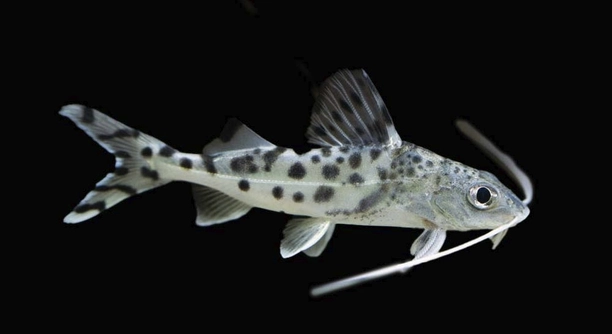
Owning a Pictus catfish can be a rewarding experience for aquarium enthusiasts. These active fish bring life and movement to home tanks. However, many new owners make common mistakes that affect their fish’s health and wellbeing.
Many new Pictus catfish owners misunderstand their care requirements, including tank size, diet, water conditions, and social behavior. These errors can lead to stress, poor health, and shortened lifespans if not corrected early. Proper knowledge is essential for successful fishkeeping.
Understanding the most frequent mistakes will help you create a better environment for your Pictus catfish and improve their overall care.
Incorrect Tank Size
Many new Pictus catfish owners underestimate how much space these fish need. Pictus catfish are active swimmers and require a larger tank to move comfortably. A tank smaller than 30 gallons can cause stress and limit their natural behavior. Crowding the fish may also increase aggression and reduce water quality quickly. It’s important to provide a tank with enough swimming room and proper filtration to keep the water clean. This helps the fish stay healthy and happy for a longer time. Along with space, the tank should have hiding spots like plants or caves, allowing the fish to feel secure.
A 30-gallon tank or larger is usually recommended for Pictus catfish. This provides enough space for one or two fish to swim freely and lowers the risk of health problems caused by overcrowding.
Choosing the right tank size is the first step to proper care. It supports good water conditions and reduces stress. Larger tanks also make it easier to maintain stable water parameters. If space is limited, it’s better to keep fewer fish rather than overcrowding a smaller tank. Remember, Pictus catfish thrive best when they have plenty of room to explore and swim actively. Providing an appropriate environment leads to healthier and more vibrant fish.
Feeding Mistakes
Many new owners feed Pictus catfish only flakes or pellets. This diet lacks variety and doesn’t meet their nutritional needs. Pictus catfish are bottom feeders and benefit from sinking foods. They enjoy live or frozen foods like bloodworms, brine shrimp, or small insects. Overfeeding is another common mistake. Excess food can pollute the water, leading to poor water quality and fish health problems. Feeding small amounts once or twice a day is enough.
Providing a balanced diet is crucial for the fish’s growth and health. Supplementing their diet with protein-rich foods keeps them active and brightens their colors. Treats should be given occasionally, but not as a main diet.
Live or frozen foods stimulate natural hunting behavior and provide important nutrients. Offering sinking pellets or wafers designed for bottom feeders ensures they get enough food without waste. It’s important to remove any uneaten food quickly to prevent water pollution. Varying their diet mimics what they would eat in the wild and helps avoid nutritional deficiencies. Learning the proper feeding habits can greatly improve your Pictus catfish’s wellbeing and lifespan.
Water Quality Neglect
Poor water quality is a major problem for Pictus catfish. They need clean, well-oxygenated water to stay healthy. Dirty water causes stress, disease, and even death.
Regular water changes are essential. Aim to change 25–30% of the water weekly to remove waste and toxins. Use a good filter and monitor water parameters like ammonia, nitrites, and nitrates closely. Pictus catfish prefer slightly acidic to neutral pH levels between 6.5 and 7.5. Temperatures should stay between 74°F and 79°F. Avoid sudden changes in temperature or water chemistry as this stresses the fish. Testing the water weekly with simple kits helps catch problems early. Maintaining stable, clean water creates a healthy environment where Pictus catfish can thrive.
Using tap water without treatment can harm your fish. Always treat new water with a dechlorinator before adding it to the tank. Chlorine and chloramines are toxic to fish. Monitoring and maintaining water quality is a key responsibility. It prevents health issues and keeps your Pictus catfish lively and active.
Social Behavior Misunderstandings
Pictus catfish are social fish but not always peaceful with all tankmates. They do best with similar-sized, non-aggressive species. They may nip at slow-moving or long-finned fish, causing stress or injury.
Keeping them in small groups of three or more helps reduce stress and encourages natural behavior. Alone, they may become shy or inactive. However, overcrowding can lead to aggression and poor water conditions. It’s important to balance group size with tank size. Introducing Pictus catfish to peaceful community tanks often works well, but avoid housing them with very small fish like neon tetras, which might be seen as food. Understanding their social needs helps create a balanced, calm aquarium environment.
Ignoring Hiding Spots
Pictus catfish need places to hide. Without sufficient hiding spots, they feel stressed and vulnerable. Stress weakens their immune system and affects their behavior.
Adding caves, plants, and driftwood provides shelter. These spots help the fish feel safe and encourage natural activity, especially during the day when they prefer to rest.
Overcrowding the Tank
Too many fish in one tank causes poor water quality and stress. Overcrowding reduces oxygen levels and makes waste buildup faster. This can quickly lead to disease and death. Keeping a proper fish-to-gallon ratio is vital for Pictus catfish health.
Using Incorrect Substrate
Pictus catfish have sensitive barbels used to explore the bottom. Rough or sharp substrates can injure them. Smooth sand or fine gravel is best to prevent damage and infections.
Skipping Regular Health Checks
Ignoring signs of illness delays treatment and worsens problems. Watching for unusual behavior or appearance helps catch diseases early and keeps fish healthier.
What tank size is best for Pictus catfish?
A tank of at least 30 gallons is ideal for one or two Pictus catfish. These fish are active swimmers and need plenty of space to move around. Smaller tanks limit their movement and can cause stress. If you plan to keep a group, increase the tank size accordingly to avoid overcrowding.
How often should I change the water?
Regular water changes are essential for Pictus catfish health. Changing about 25–30% of the water weekly helps remove waste and maintain water quality. Skipping water changes can lead to toxic buildup, stressing the fish and making them more prone to illness.
What temperature should I keep the tank?
Pictus catfish thrive in water temperatures between 74°F and 79°F. Keeping the water within this range helps maintain their metabolism and immune system. Avoid sudden temperature changes, as these can cause stress and weaken the fish.
What should I feed my Pictus catfish?
A varied diet works best. Offer sinking pellets or wafers designed for bottom feeders, along with live or frozen foods like bloodworms, brine shrimp, or small insects. Avoid feeding only flakes or pellets, as this limits their nutrition. Feed small amounts once or twice a day, and remove uneaten food promptly.
Can Pictus catfish live with other fish?
Yes, but choose tankmates carefully. Pictus catfish prefer peaceful, similarly sized fish. Avoid very small fish that might be seen as food, or very aggressive species that could harm them. Keeping them in small groups reduces stress and encourages natural behavior.
How do I know if my Pictus catfish is stressed?
Signs of stress include hiding constantly, loss of appetite, faded colors, or erratic swimming. Stress often results from poor water quality, incorrect tank size, or incompatible tankmates. Addressing these issues quickly helps your fish recover.
What substrate is best for Pictus catfish?
Smooth sand or fine gravel is ideal because Pictus catfish use their barbels to explore the tank bottom. Rough or sharp substrates can injure these sensitive barbels, leading to infections.
Do Pictus catfish need hiding places?
Yes, they do. Hiding spots like caves, plants, and driftwood help them feel safe and reduce stress. Without shelter, they can become shy or stressed, which impacts their health and behavior.
How many Pictus catfish can I keep together?
It’s best to keep them in groups of three or more to encourage natural social behavior. However, ensure your tank is large enough to prevent overcrowding. Too many fish in a small tank will harm water quality and increase aggression.
What are common health problems?
Common issues include infections from poor water quality, injuries from rough substrate, and stress-related illnesses. Regular water testing, proper diet, and a clean environment help prevent these problems. Watching your fish daily can help spot illness early.
How can I improve water quality?
Use a good filtration system and perform regular water changes. Avoid overfeeding, and remove uneaten food quickly. Test water parameters weekly and treat tap water with a dechlorinator before adding it to the tank. Stable water conditions are key to keeping your fish healthy.
Can Pictus catfish tolerate different pH levels?
They prefer slightly acidic to neutral water, with a pH between 6.5 and 7.5. While they tolerate small changes, large shifts in pH can cause stress and health issues. Regular monitoring and stable water chemistry support their wellbeing.
Is it okay to feed Pictus catfish at night?
Pictus catfish are mostly nocturnal and may be more active during low light or at night. Feeding them in the evening or when the lights are dim can encourage natural feeding behavior. Just avoid overfeeding to keep water quality good.
What signs indicate Pictus catfish are happy?
Active swimming, bright colors, healthy appetite, and regular interaction with the environment are good signs. When they explore the tank and rest comfortably in hiding spots, it usually means they feel secure and well cared for.
Should I quarantine new fish before adding them to the tank?
Yes, quarantining new fish helps prevent introducing diseases to your main tank. Keeping new fish separate for at least two weeks allows you to observe them for any signs of illness before mixing them with your Pictus catfish.
This FAQ covers the main concerns new Pictus catfish owners face. Following these guidelines can help avoid common mistakes and create a better home for your fish.
Taking care of Pictus catfish can be a rewarding experience, but it requires attention to their specific needs. Many common mistakes stem from not fully understanding their natural behaviors and requirements. Knowing the right tank size, maintaining good water quality, providing a balanced diet, and creating a comfortable environment are all important. When these basics are met, the fish are more likely to stay healthy and active. Stress can be avoided by giving them space, hiding spots, and compatible tankmates. Paying close attention to their habits and environment helps prevent problems before they become serious.
It’s also important to remember that Pictus catfish are active and social creatures. They enjoy swimming in groups and need a tank that supports their movement. Feeding them a varied diet with sinking pellets and occasional live or frozen foods keeps them healthy. Overfeeding or feeding only flakes can cause health issues and water pollution. Keeping water clean through regular changes and monitoring water parameters will protect the fish from diseases. These simple care steps make a big difference in the wellbeing of Pictus catfish. Understanding these needs can improve both your fish’s life and your experience as an owner.
In the end, caring for Pictus catfish means being mindful and consistent. Avoiding overcrowding, providing hiding places, and checking water conditions regularly all contribute to a balanced aquarium. Being proactive about health checks and recognizing early signs of stress or illness helps ensure your fish live long, happy lives. Taking the time to learn about these fish and applying what you know will lead to a successful and enjoyable fishkeeping experience. With patience and care, your Pictus catfish can thrive and bring movement and life to your tank for years to come.

Hello,
If you enjoy the content that we create, please consider saying a "Thank You!" by leaving a tip.
Every little bit helps us continue crafting quality advice that supports the health, happiness, and well-being of pets around the world, for pets of all shapes, sizes, and species.
We really appreciate the kindness and support that you show us!