
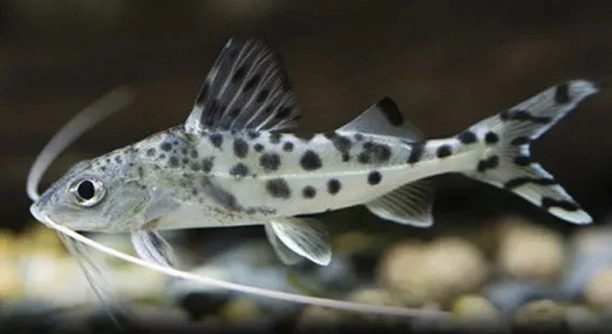
Pictus catfish are popular freshwater fish known for their energetic swimming and peaceful nature. They naturally live in rivers with strong currents, which shape their behavior and health. Many fish owners wonder why these catfish prefer fast-flowing water.
Pictus catfish need fast-flowing water because it mimics their natural river environment, promotes oxygen circulation, supports their active swimming behavior, and helps prevent the buildup of waste and harmful bacteria in their habitat. This flow is essential for their overall wellbeing.
Understanding these reasons will help you create a healthier environment for your pictus catfish. Proper care means meeting their needs, which keeps them happy and thriving in your aquarium.
Natural Habitat and Swimming Behavior
Pictus catfish come from fast-flowing rivers in Southeast Asia. In these rivers, the water moves quickly over rocks and plants, creating strong currents. These currents help keep the fish active and healthy. The fast water encourages them to swim continuously, which matches their natural behavior. In a slow or still tank, pictus catfish may become less active or stressed because their environment does not feel natural. They rely on the water flow to support their strong, agile swimming style. Without it, their muscles and fins can weaken, and they might hide more often. The flow also provides a steady source of oxygen, which they need to stay healthy. Their body shape, with a sleek and streamlined form, is designed for quick movement in these fast waters, making slow tanks uncomfortable and unnatural for them.
Water flow also helps reduce stress and keeps them alert.
Matching their habitat improves their physical and mental health.
Oxygen Levels and Water Quality
Fast-flowing water increases oxygen levels in the tank by constantly mixing air with water. Pictus catfish need high oxygen levels because they are very active swimmers and use more energy. In slow water, oxygen can become limited, which can cause breathing problems and weaken their immune system. The flow also helps keep the water clean by moving debris and preventing waste from settling. This reduces the risk of harmful bacteria and toxins building up, which can cause diseases. Keeping the water fresh and well-oxygenated is essential for their long-term health. Additionally, the current encourages the fish to move around more, which supports strong muscles and good digestion. Without a strong current, their health can decline quickly.
Proper oxygenation and water quality keep pictus catfish healthy and lively.
Good water flow reduces disease risks and supports energy levels.
Stress Reduction and Behavior
Fast-flowing water helps reduce stress in pictus catfish by creating a familiar environment. It encourages natural behaviors like exploring and schooling. Without proper flow, these fish can become anxious and hide more often, which affects their overall wellbeing.
The current stimulates their senses and provides mental stimulation. It allows them to interact with their environment as they would in the wild. Flowing water also helps distribute pheromones and other chemical signals, which supports social behavior and communication among fish. When the flow is missing, these natural cues are less effective, leading to increased stress and possible aggression. Providing a current mimics their home rivers and makes the aquarium feel safer and more comfortable for them.
A consistent flow encourages regular movement, helping maintain healthy activity levels. It also keeps the tank environment dynamic, which prevents boredom and lethargy in pictus catfish.
Waste Removal and Tank Cleanliness
Fast water movement helps remove waste and uneaten food from the tank by pushing debris toward filters. This prevents buildup that can harm water quality. In slow water, waste tends to settle, creating unhealthy conditions for pictus catfish.
Keeping the tank clean reduces the risk of bacterial and fungal infections, which pictus catfish are sensitive to. Flowing water ensures better filtration efficiency by circulating water evenly throughout the tank. This circulation prevents dead zones where toxins can accumulate. When water is stagnant, ammonia and nitrite levels may rise, stressing the fish and damaging their gills. Regular water movement also keeps beneficial bacteria active, supporting the nitrogen cycle that breaks down harmful substances. A well-maintained environment with good flow helps pictus catfish live longer and stay healthier.
A clean tank with strong flow improves water quality and fish health. It lowers the chances of illness and supports natural fish behavior.
Muscle Development and Strength
Strong water currents help pictus catfish build muscle by encouraging constant swimming. Without this, their muscles can weaken over time.
Active swimming in flowing water keeps their bodies toned and supports overall health.
Simulation of Natural Environment
A fast flow recreates the pictus catfish’s river habitat, making them feel safe and comfortable. This environment reduces stress and encourages normal activity. When the tank mimics nature, the fish show better color and more natural behavior. Maintaining flow is key to their wellbeing and happiness.
Prevention of Algae Growth
Flowing water limits algae buildup by disturbing its ability to settle. This keeps the tank cleaner and more visually appealing.
Supporting Breathing Efficiency
Strong currents help water pass over the fish’s gills continuously, improving oxygen uptake and breathing.
FAQ
Why do pictus catfish need fast-flowing water?
Pictus catfish naturally live in rivers with strong currents. Fast water helps keep their muscles strong and provides plenty of oxygen, which they need because they are active swimmers. It also helps keep the tank clean by moving waste and debris, reducing stress and illness.
Can pictus catfish live in slow-moving water?
They can survive, but it’s not ideal. Slow water limits oxygen and wastes build up more easily, which can stress the fish. Without flow, they might become less active, hide more, and their health could decline. It’s best to provide moderate to strong flow to mimic their natural habitat.
How do I create fast-flowing water in my tank?
Using a strong filter or powerhead is a common way. Position these to create a steady current throughout the tank. You can also use air stones or circulation pumps to increase water movement. Make sure the flow is not too strong to cause exhaustion but enough to keep the water moving steadily.
Is strong water flow stressful for pictus catfish?
Not if it matches their natural environment. These fish are built for fast currents and enjoy swimming against them. Too strong a flow, however, can tire them out or make feeding difficult. Adjust the flow to balance activity with comfort.
What signs show my pictus catfish is stressed due to water flow?
If the flow is too weak or too strong, the fish may hide often, swim erratically, or stay at the tank bottom. They might lose appetite or show dull colors. Watching their behavior helps identify if adjustments to water movement are needed.
Can fast water flow help prevent diseases?
Yes, flowing water helps prevent the buildup of harmful bacteria and toxins by circulating fresh water and removing waste. It also supports healthy oxygen levels, which boosts the fish’s immune system. Proper flow is one important part of keeping pictus catfish healthy.
How does water flow affect tank maintenance?
Fast-flowing water helps push debris toward filters, making it easier to keep the tank clean. It prevents dead spots where waste can accumulate. This reduces how often you need to clean and lowers the risk of water quality problems.
Are there any plants that do well with fast flow?
Some plants like Java fern and Anubias can tolerate moderate flow since they attach to rocks or driftwood. Delicate plants may struggle with strong currents. Choose plants suited for flowing tanks to keep your aquarium balanced and healthy.
What tank size is best for pictus catfish with fast flow?
A larger tank, 30 gallons or more, is recommended to allow room for swimming against currents. Bigger tanks also make it easier to create steady flow without overwhelming the fish. Proper space and flow help keep them active and healthy.
Can I use multiple filters to increase water flow?
Yes, using two or more filters can improve circulation and oxygen levels. Just arrange them to avoid creating overly strong currents or dead zones. Properly placed filters provide balanced flow for pictus catfish.
How often should I check the water flow?
Regularly observe your fish’s behavior and tank conditions. Monthly checks of filter function and flow pattern help ensure the environment stays healthy. Adjust the flow if fish show signs of stress or if waste is building up.
Does fast-flowing water impact feeding?
It can. Strong currents may make it harder for pictus catfish to catch food. Feed them in calmer areas or use sinking pellets to reduce food drifting away. Observing their feeding habits helps you adjust flow or feeding techniques.
Can fast flow cause injuries to pictus catfish?
Usually no, since they are adapted for strong currents. But very strong, turbulent flow near decorations or filter outlets can cause stress or injury. Smooth out sharp edges and balance flow strength to keep fish safe.
Is it necessary to replicate seasonal flow changes?
Not strictly. A consistent moderate to strong flow is enough to keep pictus catfish healthy in captivity. Natural seasonal changes are harder to mimic and not required for their wellbeing in a tank.
How does flow affect breeding behavior?
Flow can encourage natural behaviors important for breeding, like swimming and exploring. However, breeding pictus catfish in captivity is rare and flow alone won’t guarantee success. Good water quality and diet are also important.
What equipment is best for creating flow for pictus catfish?
Powerheads, strong canister filters, and circulation pumps work well. Choose equipment rated for your tank size and adjustable flow rates. Avoid equipment that creates uneven or overly turbulent water.
Can slow flow be improved without changing filters?
Yes, adding air stones or circulation pumps can boost flow without replacing filters. Rearranging decorations to open swim paths also helps water move better. Small changes can make a big difference.
Should I combine fast flow with other water parameters?
Yes, maintaining proper temperature, pH, and cleanliness along with flow supports pictus catfish health. Flow alone won’t fix poor water conditions. Balanced care is essential.
Is fast flow important for young pictus catfish?
Young fish also benefit from flow but may need gentler currents until stronger. Adjust flow strength as they grow to prevent exhaustion while supporting activity and muscle development.
How to tell if my tank flow is too weak?
Watch for debris buildup, low oxygen signs like gasping, and fish inactivity. If pictus catfish seem stressed or less active, your flow may need increasing. Testing equipment and observing fish behavior helps decide.
What is the ideal flow rate for pictus catfish?
While no exact number fits all tanks, moderate to strong flow that keeps water moving evenly without excessive turbulence is best. Adjust based on fish response and tank setup.
Fast-flowing water is an important part of keeping pictus catfish healthy and happy. These fish come from rivers where currents are strong, so they rely on moving water to support their natural behaviors and physical needs. In a tank, recreating this flow helps them stay active and reduces stress. Without proper water movement, pictus catfish can become less lively and more prone to illness. It is important to provide the right environment for them to thrive, and water flow plays a big role in that.
Besides helping with activity, fast water improves oxygen levels and keeps the tank clean. Moving water pushes waste and uneaten food toward filters, which reduces harmful buildup. This creates a healthier space for pictus catfish and lowers the chance of disease. The flow also helps oxygen mix evenly throughout the tank, which is essential for the fish’s breathing. When these conditions are met, pictus catfish show better color, stronger muscles, and more natural behaviors. It is clear that water flow is not just about movement, but also about maintaining a clean, balanced environment.
When setting up a tank for pictus catfish, it is helpful to use strong filters, powerheads, or circulation pumps to create a steady current. The goal is to mimic their natural habitat as closely as possible. It is also important to observe the fish and adjust the flow if it seems too strong or too weak. Each tank is different, so finding the right balance will ensure the fish are comfortable. Overall, keeping fast-flowing water in their aquarium supports their wellbeing and lets these beautiful fish thrive for years to come.

Hello,
If you enjoy the content that we create, please consider saying a "Thank You!" by leaving a tip.
Every little bit helps us continue crafting quality advice that supports the health, happiness, and well-being of pets around the world, for pets of all shapes, sizes, and species.
We really appreciate the kindness and support that you show us!