
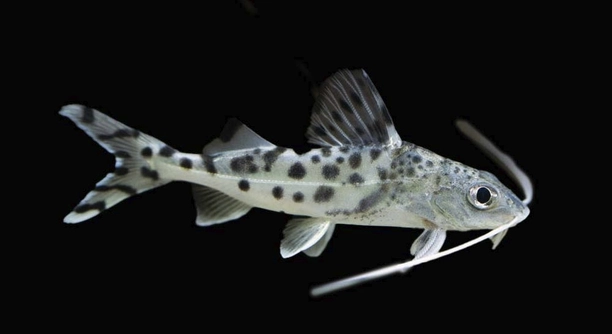
Pictus catfish are popular freshwater fish known for their active and social behavior. Many owners want to understand how these fish show affection toward their caretakers and tank mates. Recognizing their signals can improve your relationship with them.
Pictus catfish display affection through gentle nudging, following movements, and resting near familiar tank mates. These behaviors indicate comfort and social bonding, demonstrating their trust and recognition within their environment. Observing these signs helps identify their friendly nature.
Learning to recognize these subtle behaviors can deepen your appreciation for your pictus catfish. This guide will help you notice how they connect and express affection in simple ways.
How Pictus Catfish Use Body Language to Show Affection
Pictus catfish rely heavily on body language to communicate their feelings. One common way they show affection is by gently nudging or brushing against their tank mates or even their owners during feeding time. This behavior suggests they feel safe and comfortable around those they recognize. They may also swim closely alongside other fish, indicating social bonding and trust. Another sign is when they rest near familiar companions or the glass where you often observe them. Their active swimming and alertness in your presence can also signal they are comfortable and engaged. These subtle actions are their way of expressing connection without words. Paying attention to these cues helps build a stronger bond and ensures their environment feels secure.
These behaviors reflect social interaction and comfort in their surroundings. Recognizing these signals is key to understanding your catfish’s needs and emotions.
Noticing these signs allows you to respond better to your catfish’s mood. This can lead to a more fulfilling experience watching them grow and interact.
Recognizing Pictus Catfish Comfort and Trust
Pictus catfish show trust by seeking out familiar spaces in the tank and following your movements closely.
When a pictus catfish feels comfortable, it often stays near the tank’s open areas rather than hiding in caves or behind decorations. They swim actively and may approach the glass when you are near, showing recognition. Their fins are spread wide, signaling relaxation, and they often explore without hesitation. Feeding time is a perfect opportunity to see their trust; they may swim right up to your hand or linger nearby waiting for food. Over time, these fish learn to associate your presence with safety and nourishment, building a silent but clear connection. Understanding these habits can help you provide a more supportive environment that encourages their natural behavior and well-being. Consistency in care and tank conditions enhances their sense of security.
Keeping an eye on these behaviors helps maintain a healthy and trusting relationship with your pictus catfish.
Signs Pictus Catfish Use to Communicate Affection
Pictus catfish often use subtle signs to express affection toward their environment and companions. These signs include gentle fin flicks, slow swimming, and close proximity to familiar fish or owners.
When pictus catfish flick their fins softly, it usually means they are relaxed and comfortable. Slow, deliberate swimming near tank mates or the glass shows trust and curiosity. They may also hover close to other fish without aggression, indicating a peaceful bond. These actions are their way of saying they feel safe and connected. Observing these signs regularly helps you understand their moods and social needs better. It also reassures you that your care is creating a welcoming environment.
Watching for these small gestures adds to the joy of keeping pictus catfish. It also lets you notice any changes in behavior early, which can be important for their health.
Building a Bond with Your Pictus Catfish
Spending time near the tank consistently helps pictus catfish get used to your presence. Talking softly or moving slowly around the aquarium encourages their comfort.
Regular interaction helps pictus catfish learn you are not a threat. Over time, they may swim closer when you approach or even respond during feeding. Using gentle motions and quiet sounds makes them feel more at ease. This steady routine creates trust without overwhelming them. Offering food by hand or dropping it gently near the front of the tank also invites positive association with you. Patience is key because these fish do not show affection in obvious ways. The bond grows through small, consistent moments where they recognize you as a source of safety and care. This relationship enhances your enjoyment and their well-being.
How Pictus Catfish React to Their Owners
Pictus catfish often respond to their owners’ presence by becoming more active and swimming closer to the glass. This shows they recognize familiar figures around their tank.
They may also follow your hand when feeding time approaches. This behavior signals trust and expectation. It’s a simple way they connect without vocalizing affection.
Understanding Pictus Catfish Social Behavior
Pictus catfish are naturally social fish that enjoy the company of their own kind. In a well-maintained tank with several pictus catfish, they often swim together in groups, displaying synchronized movements. This schooling behavior reduces stress and helps them feel secure. When kept alone, they may seem more skittish or hide more often. Watching how they interact with tank mates gives clues about their comfort level and social needs. Providing hiding spots and open swimming areas creates a balanced environment for their social habits. Maintaining stable water conditions is also important to support their healthy interactions and reduce aggression.
Spotting Affectionate Behavior in Your Tank
FAQ
How do pictus catfish show affection to their owners?
Pictus catfish show affection by swimming close to the tank glass when you approach and following your hand during feeding. They may gently nudge the glass or swim alongside familiar faces. These behaviors indicate they recognize you and feel comfortable in your presence. Over time, they learn to associate your visits with food and safety.
Can pictus catfish bond with other fish in the tank?
Yes, pictus catfish are social animals that often bond with their tank mates. They swim in groups, rest near each other, and share hiding spots. This social behavior helps reduce stress and shows comfort. If they feel threatened, however, they may become more reserved or hide, so it’s important to maintain a calm environment.
Is it normal for pictus catfish to follow my hand in the tank?
It is normal and a good sign. When pictus catfish follow your hand, it means they trust you and expect food. This shows they have grown comfortable with your presence. They don’t respond to touch like some pets but following your hand is their way of interacting.
Do pictus catfish prefer being kept in groups or alone?
Pictus catfish thrive better in groups of at least three or more. They are schooling fish and enjoy the company of others. When kept alone, they may become shy and hide frequently. Group living allows them to express natural behaviors, stay active, and feel secure.
How can I tell if my pictus catfish is stressed or unhappy?
Signs of stress include hiding constantly, loss of appetite, erratic swimming, or clamped fins. If they avoid tank mates or stay motionless for long periods, these can be warning signals. Poor water quality or aggressive tank mates often cause stress, so regular maintenance and tank monitoring are crucial.
What environment helps pictus catfish feel safe and affectionate?
A tank with plenty of hiding spots, open swimming areas, and stable water conditions supports their well-being. Plants, caves, and smooth decorations provide shelter and comfort. Clean water with the right temperature and pH helps them feel secure and encourages social behaviors.
Can pictus catfish recognize their owners?
While pictus catfish do not recognize owners like mammals, they learn to associate their presence with feeding and safety. This causes them to become more active and approach the glass when someone familiar is near. Their recognition is based on routine and movement rather than facial features.
How long does it take for pictus catfish to show affection?
It varies depending on the fish’s personality and environment. Generally, it can take a few weeks to months of consistent care and interaction before they show signs of trust and comfort. Patience is important, as sudden changes or rough handling can delay this process.
Are pictus catfish affectionate compared to other fish?
They are moderately affectionate compared to some fish species. They don’t show obvious affection like kissing or nuzzling, but their social nature and gentle interactions show a quieter form of bonding. Their active swimming and willingness to interact make them enjoyable companions.
What should I avoid doing to maintain my pictus catfish’s trust?
Avoid sudden movements, loud noises, or tapping on the glass, as these can startle or stress them. Overfeeding or changing tank conditions abruptly can also harm their comfort. Gentle handling, steady routines, and clean water will maintain trust and encourage affectionate behavior.
Final Thoughts
Pictus catfish are fascinating creatures that show affection in subtle but meaningful ways. Their gentle nudges, swimming patterns, and willingness to stay close to familiar companions indicate they feel safe and comfortable. These behaviors may not be as obvious as those seen in mammals or birds, but they reveal a social and trusting nature. Understanding how pictus catfish express their feelings can deepen the connection between you and your fish. Watching them interact with their environment and other tank mates offers insight into their mood and overall well-being. Paying attention to these small signals allows you to provide better care that meets their needs.
Creating a suitable environment is important for pictus catfish to display affectionate behavior. They thrive best in tanks that mimic their natural habitat, with plenty of open space for swimming and places to hide. Keeping the water clean and stable encourages healthy interactions. Providing a group of pictus catfish rather than keeping a single fish supports their social tendencies. When these conditions are met, pictus catfish tend to be more active, confident, and open to engaging with their owners and tank mates. Consistency in care, gentle movements near the tank, and feeding routines help build trust over time. This steady approach creates a calm setting where pictus catfish feel secure.
Overall, pictus catfish offer a rewarding experience for those who understand their quiet ways of showing affection. Their behaviors might require patience to notice, but they speak volumes about the fish’s comfort and trust. Building this kind of relationship with your pictus catfish takes time and attention but can be very satisfying. Observing their unique personalities and social habits adds to the joy of keeping these fish. By recognizing and responding to their signals, you help maintain a healthy, peaceful tank environment that supports their natural behavior and emotional well-being.

Hello,
If you enjoy the content that we create, please consider saying a "Thank You!" by leaving a tip.
Every little bit helps us continue crafting quality advice that supports the health, happiness, and well-being of pets around the world, for pets of all shapes, sizes, and species.
We really appreciate the kindness and support that you show us!