
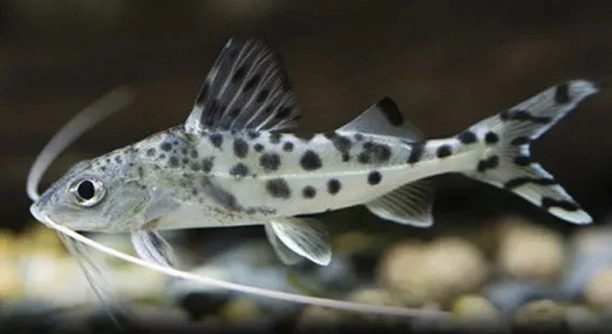
Pictus catfish are popular aquarium pets known for their active and social behavior. Many owners want to ensure their fish is comfortable and thriving in its environment. Recognizing signs of happiness in these fish helps create a better home for them.
A happy pictus catfish typically displays active swimming, regular feeding habits, and healthy interactions with tank mates. Clear eyes, vibrant coloration, and smooth movements also indicate good well-being and contentment in its habitat.
Knowing these signs will help you support your pictus catfish’s health and happiness effectively. This article guides you through the key behaviors to watch for in your fish.
Common Signs of a Happy Pictus Catfish
A pictus catfish that is happy usually shows several clear behaviors. It will swim actively around the tank, exploring its environment without hesitation. You might notice it resting calmly on smooth surfaces or hiding gently among decorations, which indicates comfort. When feeding time comes, a content catfish will eagerly eat and respond to your presence without stress. Its body should look healthy with bright, consistent colors and clear eyes. Any signs of rapid breathing, erratic swimming, or hiding excessively could mean the fish is uncomfortable or stressed. These fish are social and often do well with tank mates, so peaceful interactions with other fish are a good sign. Maintaining proper water quality, temperature, and tank size also contributes greatly to their happiness. Observing these simple behaviors regularly will help you gauge your pictus catfish’s well-being and respond promptly to any changes.
Clear signs of active swimming, healthy eating, and calm resting show that your pictus catfish is doing well in its habitat.
Paying attention to these behaviors can prevent health issues and improve your fish’s quality of life. Keeping the environment stable and watching for these signals will ensure your pictus catfish remains happy and healthy over time.
Creating the Ideal Environment for Pictus Catfish
The tank setup plays a crucial role in keeping your pictus catfish happy. They thrive in a spacious aquarium with plenty of hiding places such as caves, plants, and driftwood. A soft substrate is preferred since they like to sift through the bottom gently. Water conditions must be stable, with temperatures between 72°F and 79°F and a pH near neutral. Clean water with good filtration reduces stress and promotes health. Lighting should be moderate, as these fish are nocturnal and prefer dimmer conditions. Regular water changes help maintain ideal water parameters, preventing harmful buildup of toxins. Adding compatible tank mates that are peaceful can also support a balanced community where your catfish feels safe. Taking care of these details creates a comfortable environment that encourages natural behaviors and happiness in your pictus catfish.
Understanding Pictus Catfish Behavior
Pictus catfish are naturally active and social fish. Their behavior provides clear clues about their mood and health.
These fish are most active during dawn and dusk, often swimming in groups. They explore the tank by gently sifting through the substrate and investigating plants or decorations. Resting calmly in shaded or hidden spots is normal and shows they feel safe. Sudden darting or hiding excessively could indicate stress or illness. Watching how your catfish interacts with others also reveals its comfort level. Peaceful swimming alongside tank mates suggests a happy environment.
Monitoring these behaviors helps you notice changes early. If your catfish becomes less active or stops eating, it may be time to check water quality or tank conditions. Consistent behavior means your fish is content, while sudden changes often signal a need for care or adjustment.
Feeding Habits and Happiness
Feeding times are excellent moments to assess your pictus catfish’s happiness. A healthy fish will respond quickly to food and show eagerness without stress. They prefer sinking pellets or live food, which matches their natural bottom-feeding habits.
Providing a varied diet that includes protein-rich foods supports their health and happiness. Overfeeding can lead to water quality issues, so feeding in moderation is important. Observing how much and how often your catfish eats helps maintain balance. Sudden loss of appetite is often a sign of discomfort or illness. Ensuring the fish receives proper nutrition is key to its overall well-being.
Regular, attentive feeding routines build trust between you and your fish, encouraging natural behavior and positive responses. This simple practice contributes greatly to a pictus catfish’s happiness and longevity in your care.
Signs of Stress in Pictus Catfish
Stress in pictus catfish shows through changes in behavior and appearance. They may hide more often or swim erratically. Loss of appetite and pale colors are also common signs.
Noticing stress early allows for quick action. Checking water quality and tank conditions can help reduce stress and improve your fish’s well-being.
Importance of Water Quality
Clean, well-maintained water is essential for pictus catfish health. Poor water quality causes stress, illness, and even death. Regular water testing and changes keep the environment safe and stable, supporting your fish’s happiness.
Tank Mates and Social Needs
Pictus catfish are social and prefer to be in groups of at least three. They interact peacefully with other non-aggressive fish, which supports their natural behavior and reduces loneliness.
Physical Health Checks
Regularly observe your catfish for injuries, infections, or unusual spots. Early detection helps prevent serious health problems and keeps your fish thriving.
FAQ
How can I tell if my pictus catfish is happy?
A happy pictus catfish swims actively, eats regularly, and interacts calmly with tank mates. It has clear eyes, vibrant colors, and rests peacefully without hiding excessively. Consistent natural behavior is a good indicator of contentment.
What behaviors indicate stress in pictus catfish?
Stress shows through hiding, erratic swimming, loss of appetite, and faded coloration. If your fish avoids food or stays in one corner, it may be stressed. Checking water quality and tank setup is important in such cases.
How often should I feed my pictus catfish?
Feeding once or twice daily with small amounts is ideal. Overfeeding can harm water quality and fish health. Choose sinking pellets or live foods suited for bottom feeders to match their natural diet.
What water conditions do pictus catfish need?
They prefer water temperatures between 72°F and 79°F and a pH near neutral (6.5 to 7.5). Regular water changes and good filtration keep the environment clean, which reduces stress and supports overall health.
Can pictus catfish live alone?
Pictus catfish are social and thrive in groups of three or more. Being alone can cause stress and unusual behavior. Keeping them with peaceful tank mates and their own kind helps them feel secure.
What tank size is best for pictus catfish?
A minimum of 30 gallons is recommended to provide enough space for swimming and hiding. Larger tanks reduce territorial stress and allow for a healthy social environment.
Why is my pictus catfish hiding all the time?
Hiding is normal at times, especially during daylight or if the fish feels threatened. Constant hiding can signal poor water quality, illness, or incompatible tank mates.
How do I improve my pictus catfish’s happiness?
Maintain clean water, provide hiding spots, feed a balanced diet, and keep compatible companions. Watching for signs of stress and addressing issues quickly helps keep your fish happy and healthy.
Is lighting important for pictus catfish?
Yes, moderate to low lighting is best. These nocturnal fish prefer dim conditions, which help reduce stress and encourage natural activity patterns.
What are common illnesses in pictus catfish?
They can suffer from fungal infections, parasites, and bacterial diseases. Symptoms include spots, discoloration, lethargy, and loss of appetite. Early detection and proper tank care help prevent illness.
How do I introduce new fish to a tank with pictus catfish?
Quarantine new fish before adding them to the tank to prevent disease. Introduce them slowly and monitor interactions to ensure compatibility and reduce stress.
Can pictus catfish jump out of the tank?
Yes, they are known to jump. A secure lid on the tank prevents escapes and protects your fish from injury or loss.
How long do pictus catfish live?
With proper care, they can live up to 8 to 10 years. Consistent maintenance and attention to their needs are key to a long, healthy life.
What should I do if my pictus catfish stops eating?
Check water quality, temperature, and tank conditions first. Look for signs of illness or stress. Adjusting environment and diet may be necessary. If the problem continues, consult a vet or aquatic specialist.
Are pictus catfish compatible with other fish?
They generally get along with peaceful species that won’t bully or outcompete them for food. Avoid aggressive or very large fish to maintain a calm, balanced tank environment.
Pictus catfish are fascinating and lively pets that bring movement and character to an aquarium. Understanding their behavior and needs is key to ensuring they live comfortably and happily. Paying attention to how your fish swims, eats, and interacts with others provides valuable clues about its well-being. When these signs are positive, it means your pictus catfish is adapting well to its environment and feeling secure. Consistent care, including monitoring water quality and maintaining a proper tank setup, supports these healthy behaviors.
Creating the right environment is just as important as observing your fish’s behavior. Pictus catfish require clean water, moderate lighting, and enough space to swim freely. Providing hiding places helps them feel safe, reducing stress and encouraging natural actions. Feeding a balanced diet suited to their bottom-feeding nature also plays a crucial role in their happiness. It is essential to avoid overcrowding and choose tank mates that coexist peacefully with pictus catfish. These small but important details contribute to a calm and stable aquarium where your fish can thrive.
Regular observation and proper maintenance are the best ways to keep your pictus catfish happy over time. Noticing changes in behavior or appearance early can prevent many common problems. Ensuring stable water parameters and a balanced diet creates a healthy foundation for your fish’s well-being. With careful attention and a suitable environment, pictus catfish can be joyful companions in your aquarium for many years. Focusing on their needs and responding quickly to signs of stress will help you enjoy a thriving and lively aquatic pet.

Hello,
If you enjoy the content that we create, please consider saying a "Thank You!" by leaving a tip.
Every little bit helps us continue crafting quality advice that supports the health, happiness, and well-being of pets around the world, for pets of all shapes, sizes, and species.
We really appreciate the kindness and support that you show us!